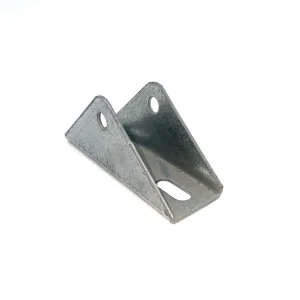
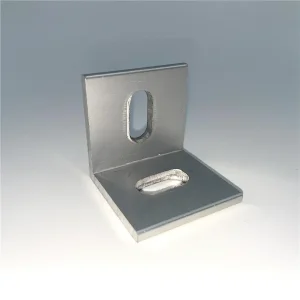
Featured Adjustable Angle Systems & Mechanical Connectors
Engineered for dynamic load distribution, structural integrity in high-vibration environments, and long-term electrochemical protection.
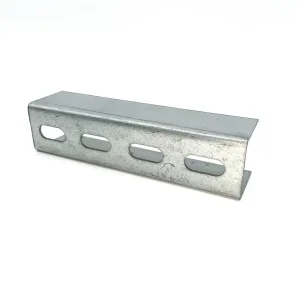
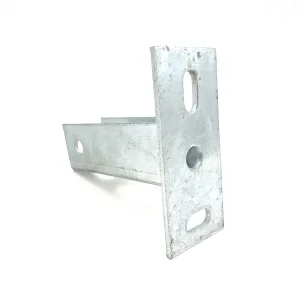
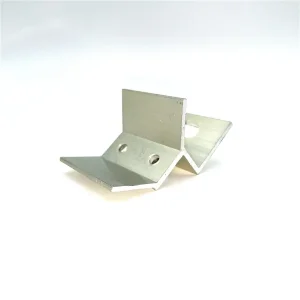
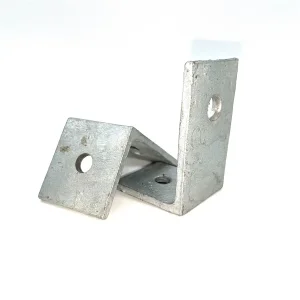
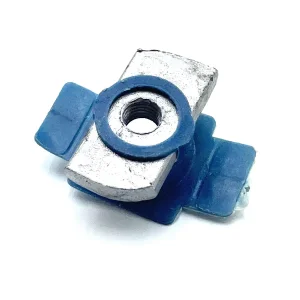
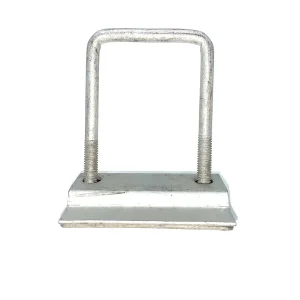
The Evolution of Adjustable Angle Fixtures in High-Capacity Infrastructure
Analyzing the engineering transition from rigid static framing to precision modular kinematic fixtures across utility-scale applications.
In modern industrial fabrication, civil civil infrastructure, and commercial renewable arrays, the mechanical adjustable angle fixture serves as the structural pivot point governing load distribution, angular accuracy, and structural fatigue resistance. Over the past decade, increasing climate volatility—characterized by hyper-localized shear winds, unprecedented microbursts, and heavy seismic harmonic vibrations—has rendered rigid, legacy bracket systems obsolete. Engineering teams now require adjustable mounting purlin connectors, modular rotation hubs, and variable-angle bases that deliver infinite micro-adjustability while preserving absolute clamping yield force.
Contemporary adjustable angle fixture designs integrate advanced metallurgy—primarily extruded structural aluminum (AL6005-T5/T6), cold-formed austenitic stainless steels (AISI 304/316), and heavy-coat hot-dip galvanized carbon steel (HDG). These systems do not merely anchor structural assemblies; they incorporate anti-slip knurled surfaces, elongated slotted channels, and self-locking mechanical fasteners designed to mitigate bolt-loosening caused by cyclic thermal expansion and high dynamic loads.
Dynamic Tilt Optimization
Enables seasonal or installation-specific angle adjustments ranging from 10° to 60°, directly neutralizing dead-weight losses and maximizing solar irradiance capture profiles in complex geographic topographies.
Fatigue & Shear Resistance
Engineered to absorb torsional flexing caused by high wind shear (up to 60 m/s) and heavy snow loads (up to 1.4 kN/m²), transferring localized dynamic stresses evenly across the primary purlins and substructure.
Corrosion Barrier Synergy
Formulated to prevent galvanic corrosion when dissimilar metals interface. High-grade anodized aluminum (12–25μm) is mechanically paired with isolated A2/A4 fasteners and vulcanized EPDM gaskets.
Global Procurement Demands & Technical Compliance
Standardizing supplier evaluation matrices across tensile thresholds, metallurgical purity, and corrosion resistance under ISO and ASTM frameworks.
Global Engineering, Procurement, and Construction (EPC) consortiums operate under razor-thin balance-of-system (BOS) margins. A single hardware failure in a 100MW commercial array or high-load gantry can cause widespread structural collapse, cascading insurance claims, and multi-million-dollar downtime. Consequently, international procurement specifications have shifted from evaluating simple unit price to calculating Total Lifecycle Cost of Ownership (TCO).
| Material / Grade | Tensile Strength (MPa) | Corrosion Rating (ISO 9223) | Optimal Deployment Context | Key Risk Mitigation |
|---|---|---|---|---|
| AL6005-T5 / T6 Anodized | ≥ 260 | C3 – C4 | Rooftop rails, carport trusses, modular angle purlins | Lightweight load reduction; high precision extruded tolerances |
| AISI 304 (A2-70) Stainless Steel | ≥ 700 | C3 – C4 | Inland solar mounting, general hardware connections | Eliminates structural embrittlement; balances yield strength and ductility |
| AISI 316 (A4-80) Molybdenum Alloy | ≥ 800 | C5-M (Marine Coastal) | Offshore platforms, chemical refineries, salt marsh PV plants | Resists chloride pitting and intergranular stress crack corrosion |
| Q235B / Q355B Hot-Dip Galvanized | ≥ 355 – 510 | C3 – C5 (Coating Dependent) | Utility-scale ground mount pile anchors, heavy load posts | Self-healing sacrificial zinc barrier protecting deep steel substrates |
Material Traceability (EN 10204 3.1)
Every batch of adjustable angle brackets and anchor hardware must be traceable to the original steel or aluminum melt, accompanied by verified chemical composition and yield-strength stress-strain curves.
Accelerated Salt Spray Validation
Hardware undergoes continuous neutral salt spray testing (NSS per ASTM B117) exceeding 1,000 to 3,000 hours without red rust, guaranteeing a minimum design life of 25 to 30 years in harsh outdoor environments.
Pre-Assembled Field Ergonomics
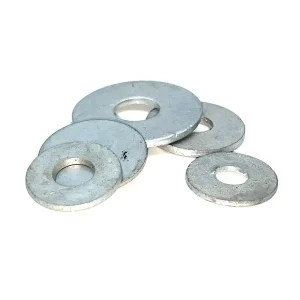
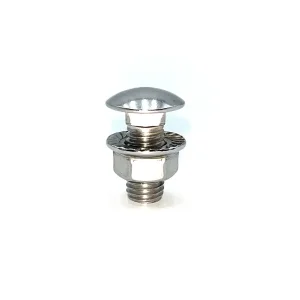
Engineering buyers favor pre-assembled fixture kits (bracket, carriage bolt, sliding nut, and washer). Pre-assembly reduces field installation labor by up to 40%, cutting total installed site cost significantly.
China Industry 4.0: Handan Fastener Cluster Resilience & Speed
How localized supply chain density, automated multi-station cold heading, and integrated surface finishing deliver unmatched cost and lead-time advantages.
Located in the heart of Hebei Province, the Yongnian District of Handan represents China’s undisputed Fastener Capital, producing more than 55% of the nation's total precision fasteners and structural hardware. Within a tight 20-kilometer radius, the industrial cluster integrates raw wire-rod processing, automated multi-station cold heading, stamping presses, hot-dip galvanizing lines, and multi-axis CNC machining centers. This geographic concentration removes interstate transport delays and eliminates multi-tier middleman markups.
Youlong Fastener combines this geographic advantage with smart Industry 4.0 production practices. Automated optical sorting machines inspect threads, chamfers, and slot clearances at speeds up to 600 pieces per minute, delivering micro-level quality control. By coupling high-speed automated stamping with in-house mechanical testing laboratories, production batches transition from digital engineering drawings to FOB container shipping within condensed lead times that fragmented international manufacturers cannot match.
Localized Raw Material Integration
Direct supply channels with premier domestic steel mills guarantee raw material availability, mitigating global commodity price swings and ensuring consistent metallurgical purity across carbon and stainless steel lines.
Automated High-Volume Scalability
With cumulative export volumes surpassing 300,000 tonnes, our stamping, forging, and CNC machining lines handle custom OEM runs and utility-scale procurement orders with zero bottlenecks.
Rapid Prototype-to-Production
Experienced tooling engineers transform customer-supplied CAD drawings into physical prototypes within 48 to 72 hours, backed by full mechanical stress FEA modeling before tool hardening and mass stamping.
Localized Application Scenarios: Meeting Critical Environmental Demands
Proven engineering configurations deployed across diverse geotechnical and climatic conditions worldwide.
Coastal & Offshore PV Infrastructure
Challenge: Marine air loaded with chlorides, daily salt mist, and high typhoon-driven gusts (Category 4+).
Solution: Custom-machined AISI 316 angle fixtures fitted with EPDM dielectric isolation washers to stop galvanic corrosion at the aluminum rail interface.
Arid High-Desert Installations
Challenge: 40°C diurnal temperature shifts causing structural thermal movement, combined with airborne quartz sand abrasive wear.
Solution: Heavy-duty hot-dip galvanized adjustable base plates paired with serrated lock nuts that maintain bolt tension under thermal cycling.
Commercial Trapezoidal Metal Roofs
Challenge: Water ingress risks, thin-gauge sheet metal purlins, and restricted rooftop load budgets.
Solution: Non-penetrating trapezoidal roof clamps with integrated adjustable tilt fixtures, transferring vertical loads directly to underlying rafters without roof leaks.
Frequently Asked Questions for Engineering Buyers
Detailed technical answers to common questions about material choices, shear ratings, and factory production standards.
What defines an "Adjustable Angle Fixture" in solar and heavy civil mounting systems?
How do you prevent galvanic corrosion when coupling stainless fasteners to aluminum fixtures?
Can Youlong fabricate customized fixtures from client CAD/STEP drawings?
What are the key quality testing protocols run before container loading?
How does Handan Youlong optimize logistics lead times for 50MW+ utility projects?
Complementary Anchors, Clamps & Fastening Solutions
Complete structural fastening sets engineered to secure your adjustable fixtures into concrete footings, structural steel, and extruded rails.