1 / 3
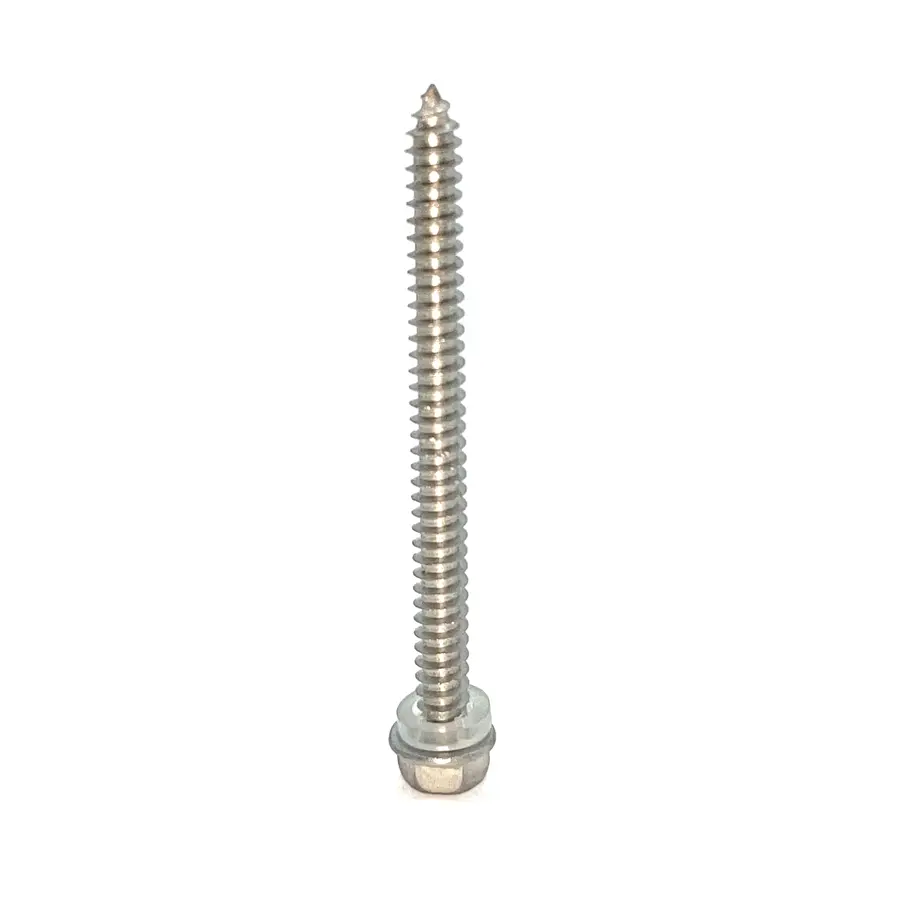
Buy High-Quality Stainless Steel Self-Drilling Screws from China Suppliers and Factory for Fast Installation and Durability Suppliers, Products
Product Description
Product Application
✔
Widely used for fastening thin metal sheets, aluminum profiles, plastic plates, wooden boards and composite materials in construction, furniture, machinery, automotive and outdoor hardware installation scenarios.
✔
Ideal for sheet metal processing, ceiling installation, shelf fixing, door and window assembly, and outdoor sign installation, eliminating the need for pre-drilling and simplifying the construction process.
✔
Suitable for both indoor daily fastening and outdoor harsh environments, such as coastal areas, humid workshops and open-air facilities, with strong anti-rust and anti-corrosion performance.
✔
Perfect for assembly line production, on-site maintenance and small-scale engineering renovation, adapting to high-efficiency installation needs and reducing construction time.
✔
Compatible with standard electric drills and screwdrivers, widely matched with various thin-walled components, meeting diverse fastening demands of industrial and civilian fields.
Material & Processing Features
★
Manufactured from high-grade 304 or 316 stainless steel, with excellent rust resistance, salt spray resistance and corrosion resistance, suitable for long-term use in harsh environments.
★
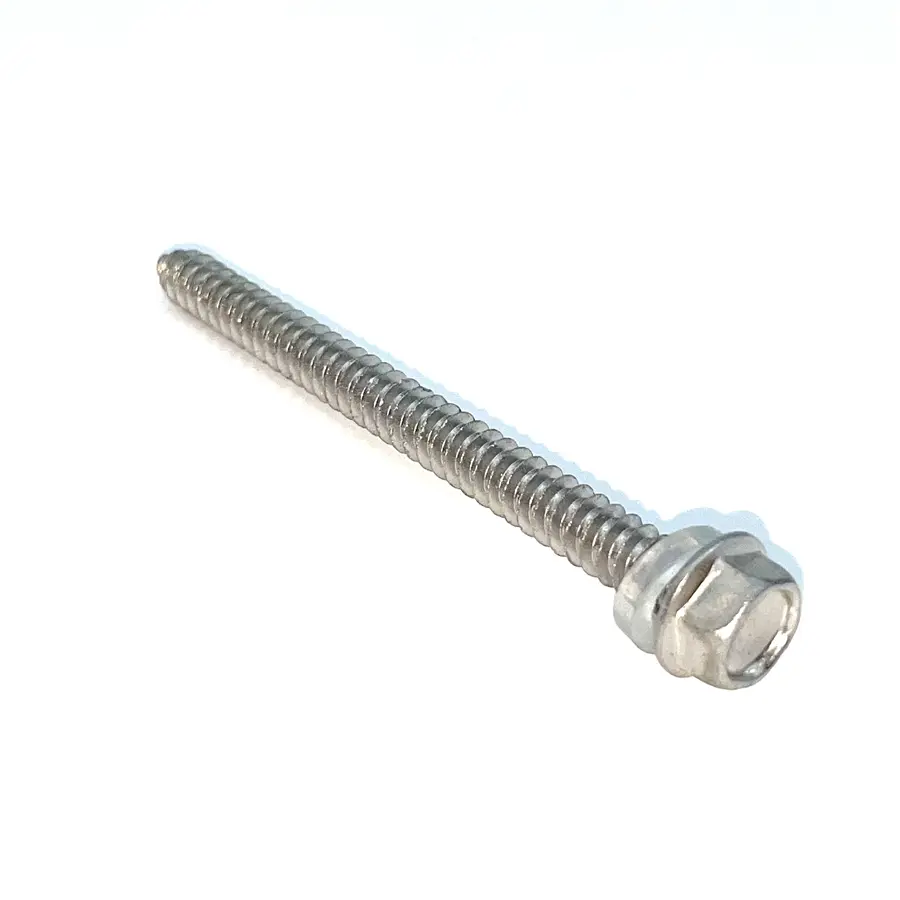
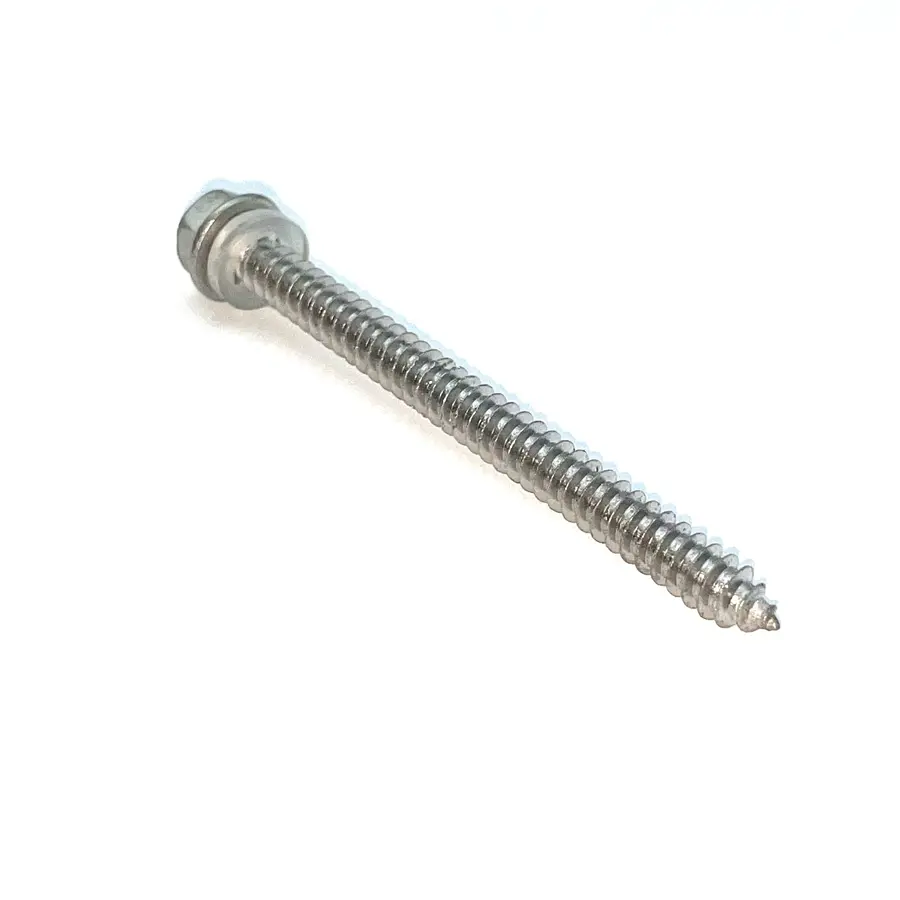
Adopts precision cold heading and thread rolling process, with sharp and wear-resistant drill point, smooth and uniform threads, ensuring smooth self-drilling and self-tapping.
★
Integrated molding design enhances overall strength, high hardness and toughness, not easy to break or slip during installation, ensuring stable construction.
★
Common head styles include pan head and countersunk head, with clean and neat surface, strict dimensional tolerance control for tight fitting with connected parts.
★
Surface passivation treatment improves wear resistance and oxidation resistance, keeping the appearance smooth and prolonging the service life of the screw.
Core Product Benefits
●
Self-drilling and self-tapping integrated design eliminates pre-drilling steps, greatly improving installation efficiency and reducing labor and time costs.
●
Sharp drill point ensures smooth penetration of materials, uniform thread stress, firm fastening and anti-loosening performance, resisting vibration displacement.
●
High-quality stainless steel material avoids rust and corrosion failure, suitable for outdoor and humid environments, reducing later maintenance costs.
●
Complete specifications with various lengths and diameters, supporting customized processing to meet different material thicknesses and installation requirements.
●
Comply with international fastener standards, passing hardness test, salt spray test and torsion test, with stable quality and reliable performance.
●
Wide applicability and strong versatility, easy to install and disassemble, cost-effective and reusable, making it a preferred fastener for sheet metal and profile fastening.
Detail Pictures
Frequently Asked Questions
1. Do these stainless steel screws require a pilot hole?
No, these are self-drilling screws with a specialized drill point that penetrates the material and forms threads in one single operation, eliminating the need for pre-drilling.
2. What is the difference between 304 and 316 stainless steel options?
Both offer excellent corrosion resistance. 304 is suitable for most outdoor and industrial applications, while 316 provides superior resistance to chlorides and salt spray, making it ideal for marine or coastal environments.
3. Can these screws be used for thick steel plates?
These screws are primarily designed for thin metal sheets, aluminum profiles, and composite materials. The drilling capacity depends on the screw size and drill point length.
4. Are these screws compatible with standard tools?
Yes, they are fully compatible with standard electric drills and screwdrivers. Using a tool with adjustable torque is recommended to prevent over-tightening.
5. Do you offer customized sizes or head styles?
Yes, we support customized processing for various lengths, diameters, and head styles (such as pan head or countersunk head) to meet your specific installation requirements.
6. How is the rust resistance of these screws tested?
Our products undergo rigorous quality control, including salt spray tests and passivation treatments, to ensure long-term durability and anti-rust performance in harsh environments.