
High-Demand Fasteners & Solar Racking Hardware for Azerbaijan
Pre-engineered structural fasteners, PV brackets, and purlin connectors fabricated for utility-scale solar installations and high-load civil engineering projects.
Azerbaijan's Industrial Transformation: Green Energy Expansion & Heavy Engineering
A comprehensive examination of macro-economic incentives, renewable transitions, and industrial supply chain integration across the Caucasus crossroads.
Azerbaijan stands at a pivotal juncture in its economic and industrial evolution. Long recognized as a petroleum and petrochemical powerhouse bordering the Caspian Sea, the Republic of Azerbaijan is executing a forward-looking transition outlined in its "Azerbaijan 2030: National Priorities for Socio-Economic Development." Central to this framework is the nationwide initiative to transform the Absheron Peninsula, the Alat Free Economic Zone (AFEZ), and newly revitalized economic zones into global hubs of manufacturing, logistics, and renewable electricity generation.
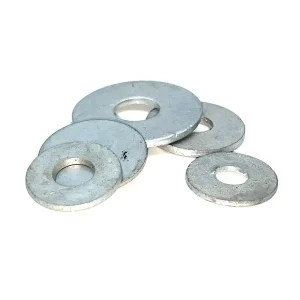
The launch of landmark utility-scale solar projects—such as the 230 MW Garadagh Solar Power Plant and major solar-wind hybrid projects planned across Bilasuvar, Neftchala, and the Karabakh Green Energy Zone—has transformed the procurement landscape. Local engineering, procurement, and construction (EPC) conglomerates are actively sourcing high-integrity metal fixtures, structural cold-rolled sections, and heavy industrial fasteners that meet rigorous international criteria. Sourcing durable hot products, ranging from structural solar mounting components to high-tensile anchor hardware, has become a mission-critical objective for companies operating within Baku, Sumgait Chemical Industrial Park, and Ganja.
Geographic and environmental factors in Azerbaijan present distinct engineering demands. Coastal sectors along the Caspian basin encounter high atmospheric salinity, severe temperature swings between arid summers and freezing winters, and high wind-load forces across desert and plateau expanses. Structural fasteners, PV brackets, and anchor connections that lack proper metallurgy or standardized hot-dip galvanization suffer from accelerated oxidation, stress corrosion cracking (SCC), and torque degradation. Consequently, tier-one Azeri project contractors have shifted away from generic local traders to verified direct manufacturing suppliers capable of delivering mill test certificates (MTC 3.1) and customized fastening geometries.
Global Sourcing Trends & Specialized Caucasus Engineering Specs
How global supply chain volatility and stringent engineering standards drive the procurement requirements of regional contractors.
Severe Corrosion Mitigation
Atmospheric salinity along the Caspian coast requires C4/C5 marine-grade coatings, including high-thickness hot-dip galvanization (≥85μm) and Austenitic SS304/SS316 hardware to prevent galvanic decay over 25+ year operating cycles.
Dynamic Seismic Resistance
Portions of Azerbaijan and the South Caucasus sit within active seismic zones. Foundation expansion bolts and bracket connectors must undergo dynamic cycle testing, retaining shear and tensile stability under ground-motion stress.
Traceable Bulk Procurement
Modern EPC operations require complete traceability from ingot melt to threaded fastener. Full chemical spectroscopy reports, torque-tension validation curves, and ultrasonic flaw testing are standard procurement prerequisites.
Global supply chains have experienced significant freight volatility and raw material fluctuations. International EPC firms managing projects in Azerbaijan require high factory output capacity, automated packaging, and flexible logistics through the Middle Corridor (Trans-Caspian International Transport Route). Sourcing from industrialized fastener clusters ensures on-schedule field assembly, eliminating costly site shutdowns caused by missing hardware or out-of-tolerance bracket slots.
China Factory 4.0: Supply Chain Resilience & Cost Leadership
Leveraging Yongnian’s industrial fastener cluster to deliver dimensional accuracy, high yield rates, and direct cost advantages to the Azerbaijani market.
Automated Multi-Station Cold Heading
Continuous multi-station high-speed cold heading and forging machines produce high-tensile carriage and hex bolts with consistent grain flow, eliminating internal structural flaws and micro-voids.
Continuous In-Line Surface Treatment
Automated hot-dip galvanizing, Dacromet coating, and anodizing lines maintain tight control over immersion duration, bath temperature, and layer thickness, ensuring steady salt-spray resistance up to 1,500+ hours.
Digital Traceability & Precision QC
Optical sorting machinery examines thread angles, diameters, and surface finishes down to ±0.01 mm tolerances, backed by in-house metallurgical testing, salt-fog chambers, and hydraulic load frames.
Handan Youlong Fastener Co., Ltd., based in Yongnian District, Handan City—recognized as "China's Fastener Capital"—provides international buyers with direct access to an established industrial supply ecosystem. By maintaining upstream control over raw wire rod procurement, in-house die toolmaking, stamping, and automated heat treatment, Youlong offers structural stability, shortened production lead times, and stable pricing, shielding projects across Azerbaijan from regional market spot price volatility.
Localized Engineering Use Cases Across Azerbaijan
Precision-matched connection assemblies designed for distinct geographic, industrial, and climatic zones.
Utility-Scale Ground Mounts
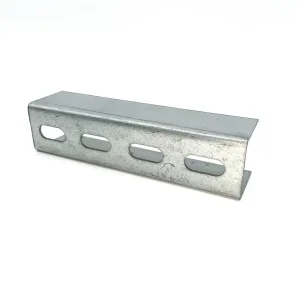
In arid regions like Garadagh and Bilasuvar, ground-mount systems face intense UV exposure, desert sand erosion, and strong seasonal gusts. High-strength purlin connectors and heavy-duty carriage bolts provide secure structural clamping across ramming posts and torque tubes.
Industrial Rooftops & C&I Arrays
Facilities across the Sumgait chemical corridor and Baku commercial zones require penetration-free trapezoidal metal roof clamps and lightweight aluminum bases, preserving roof waterproofing while handling building uplift loads.
Coastal Heavy Foundations
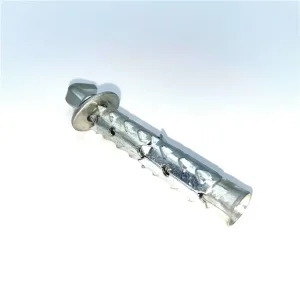
Harbor terminals and marine facilities along the Baku Bay and Caspian maritime zones require heavy fish-scale expansion bolts and marine-grade stainless hardware, ensuring anchor performance in high-humidity concrete applications.
High-Performance Structural Hardware Available for Fast Dispatch
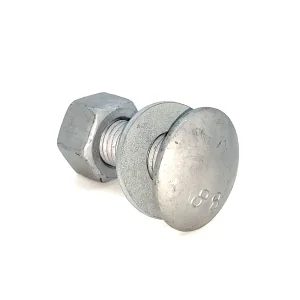
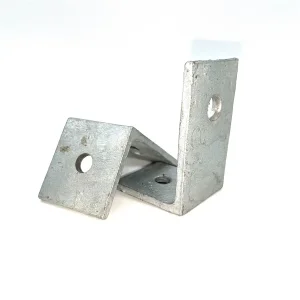
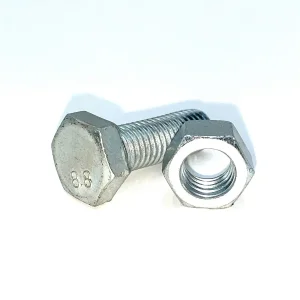
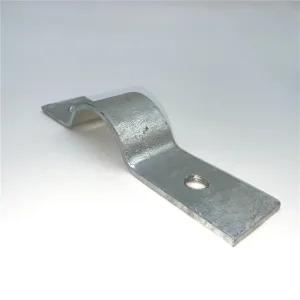
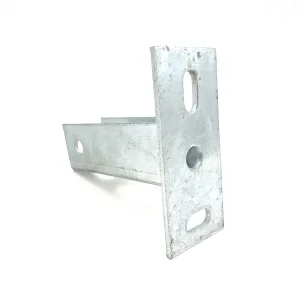
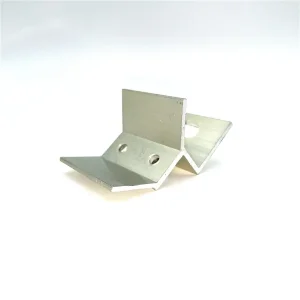
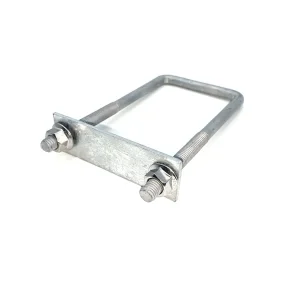
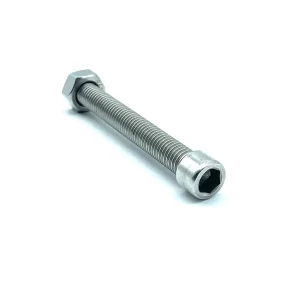
Factory-direct hot-dip galvanized and stainless steel structural connectors, engineered for engineering projects throughout the Caucasus region.
Frequently Asked Questions: Sourcing Industrial Hardware for Azerbaijan
Detailed technical, regulatory, and logistics answers for procurement engineers and project developers.
Which fastener coating standard is best for Caspian coastal conditions?
For installations in Baku, Sumgait, or along the Absheron coast exposed to C4/C5 marine environments, hot-dip galvanization meeting ISO 1461/ASTM A153 with a minimum average zinc thickness of 85 μm is recommended. For structural aluminum racking, austenitic stainless steel (SS304/SS316) with isolating non-conductive washers prevents galvanic degradation.
How are bulk shipments routed from Yongnian, China to Azerbaijan?
Bulk shipments generally move via the Middle Corridor (Trans-Caspian International Transport Route) via multimodal rail-sea transit reaching the Port of Baku (Alat), or via combined sea freight through Poti/Batumi with direct rail transit into Azerbaijan, typically completing delivery within 20 to 35 days.
What quality certification documents accompany each hardware batch?
Every shipment is accompanied by EN 10204 3.1 Inspection Certificates, verifying heat-number raw material chemistry, yield strength, ultimate tensile strength, elongation, coating thickness, and certified neutral salt spray (NSS) chamber duration results.
Can you manufacture custom brackets and baseplates from CAD/STEP drawings?
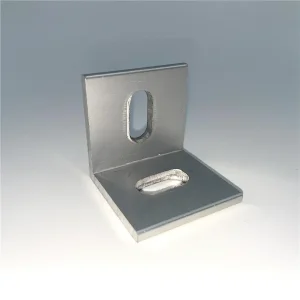
Yes. Our in-house tooling workshop, multi-stage punching presses, and high-precision laser-cutting cells support custom OEM production. Submit your 2D/3D mechanical drawings with tolerance tolerances, and engineering proposals will be delivered within 24 hours.