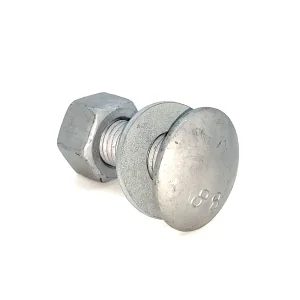
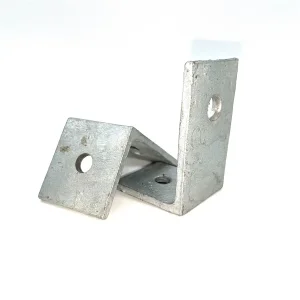
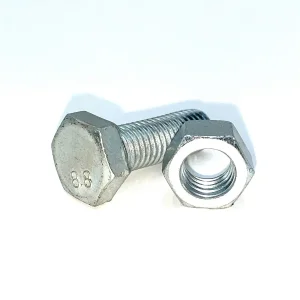
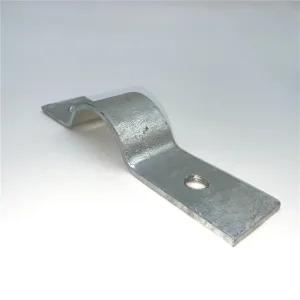
Core Solar & Heavy Fastener Lineup for Osaka Projects
Engineered to satisfy JIS compliance, seismic structural stability, and superior anti-oxidation standards in coastal industrial environments.
Osaka's Industrial Re-Engineering & Clean Energy Fastener Demand
The Kansai economic zone, centered around the Osaka Metropolitan Prefecture and the Hanshin Industrial Belt, represents one of East Asia's most sophisticated manufacturing clusters. While renowned for robotics, electronics, and heavy transport equipment, Osaka is undergoing an aggressive capital reinvestment cycle triggered by carbon-neutral mandates and aggressive solar power adoption goals set by both the Kansai Bureau of Economy, Trade and Industry and the Osaka Metropolitan Government.
Local industrial facilities—from logistics depots around Osaka Port and Nanko Island to heavy machinery plants in Sakai and Higashiosaka—are systematically converting flat rooftops and unused factory perimeters into high-density commercial photovoltaic (PV) installations. However, Osaka’s geographical positioning introduces harsh operating environments: marine chloride aerosols blown from Osaka Bay create severe C4–C5 corrosion risks, while the region sits directly within active tectonic zones demanding stringent building code compliance (JIS/JSTM).
To withstand typhoon-force lateral wind shears and perpetual salt-spray exposure, Japanese EPC engineering contractors, trading houses (sogo shosha), and procurement managers no longer accept generic hardware. They require rigorous metallurgical transparency, mill test certificates (EN 10204 3.1), and precise structural fasteners designed to eliminate structural shearing and galvanic galvanic degradation over a 25-year lifecycle.
Typhoon & Wind Load Engineering
Osaka’s exposure to seasonal Pacific typhoons mandates racking clamps and carriage bolts capable of sustaining negative uplift forces reaching up to 2,400 Pa to 3,000 Pa, with zero localized thread slippage.
C5 Marine-Atmospheric Corrosion Shield
Components operating in the vicinity of Osaka Port require SUS304/SUS316 alloys and hot-dip galvanization exceeding 85μm thickness, guaranteeing over 1,500 hours of neutral salt spray (NSS) test performance.
Global Procurement Demands: Total Cost of Ownership (TCO) vs. Raw Unit Price
How Tier-1 engineering groups serving the Japanese market assess tier-level manufacturing capabilities beyond traditional FOB quotes.
Elimination of Secondary Assembly Labor
With Japan's acute construction labor shortages and high hourly wages, developers prioritize pre-assembled, click-in purlin connectors, and anti-rotation carriage bolts that shorten field assembly cycles by 35%.
Full Metallurgical Auditing
Procurement teams require comprehensive optical emission spectrometry (OES) chemical breakdowns, verifying precise Nickel and Chromium concentrations in stainless grades to avoid micro-crack failures under seismic vibrations.
Multi-Tier Inventory Resiliency
Supply chain shocks highlight the danger of decentralized micro-workshops. Leading importers rely on centralized factories capable of raw material hedging, rapid custom forging, and maintaining JIT safety stock ready for maritime shipping.
China Factory 4.0: Handan’s Yongnian Cluster Powering Osaka’s Supply Chain
Handan City in Hebei Province—specifically the Yongnian Industrial Zone—stands as China’s undisputed Fastener Capital, responsible for producing over 55% of the country’s total structural fasteners. This industrial mega-cluster has evolved far beyond labor-intensive manufacturing. Today, it integrates state-of-the-art cold heading machinery, multi-station automated forging presses, continuous mesh belt heat treatment lines, and fully automated surface anodizing facilities.
By coupling localized steel billets directly from Hebei's primary steel hubs with automated CNC machining lines, the supply chain achieves unmatched vertical compression. For EPC contractors and industrial distributors in Osaka, this structural advantage translates into 15–20% operational efficiency savings, guaranteed dimensional homogeneity, and rapid prototyping capabilities that turn customized CAD drawings into tested hardware samples in less than 5 working days.
| Manufacturing Dimension | Traditional Workshops | Youlong Industry 4.0 Standard |
|---|---|---|
| Cold Forging Accuracy | ±0.10 mm to 0.25 mm | ±0.02 mm to 0.05 mm (Multi-Station) |
| Surface Coating Integrity | Manual Dip / Variable Depth | Automated Electroplating & HDG ≥85μm |
| Defect Screening Rate | Random Sampling (<1.5% AQL) | 100% Optical Sensor Video Sorter |
| Material Compliance | Mill Generic Run | Full Spectrometer Traceability & EN 10204 3.1 |
Engineered for Kansai: Primary Infrastructure & Solar Use Cases
Hardware engineered to meet rigorous installation conditions throughout Osaka Prefecture and neighboring Hyogo, Kyoto, and Wakayama territories.
Osaka Bay Logistics Port Roofs
Distribution centers on Maishima and Yumeshima islands require non-penetrative standing seam roof clamps and SUS316 hardware to resist saltwater mist, high typhoons, and cyclic structural expansion.
Heavy Machinery Plant Retrofits
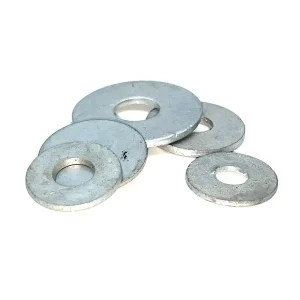
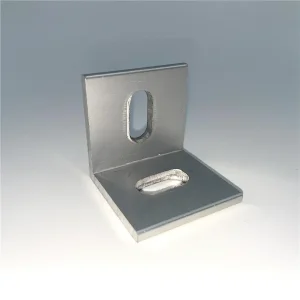
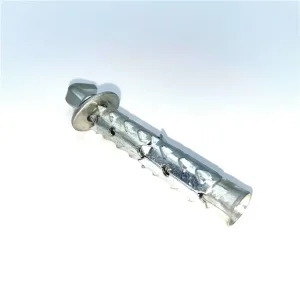
Retrofitting Sakai manufacturing centers requires heavy-duty fish-scale expansion bolts and custom angle brackets designed to securely anchor mounting frames into aging industrial concrete slabs.
Waterproof Solar Carports
Urban Osaka parking structures and retail centers incorporate M-Type aluminum water channels, double-hole pressure plates, and high-tensile hex bolts to ensure combined power generation and absolute waterproofing.
Frequently Asked Questions for Osaka Procurement Teams
Clear, direct answers regarding metallurgical grades, shipping logistics to Kansai ports, and OEM custom tooling capabilities.
What specific fastener coatings and materials are advised for Osaka Bay installations?
How fast can customized solar mounting hardware be manufactured and shipped to Osaka?
Can Youlong manufacture PV brackets and anchor fasteners precisely to Japanese Industrial Standards (JIS)?
How does Handan Youlong control quality and eliminate assembly thread-galling?
What are the minimum order quantities (MOQ) and packaging options for Japanese import distributors?
Comprehensive Structural & Photovoltaic Fastening Catalog
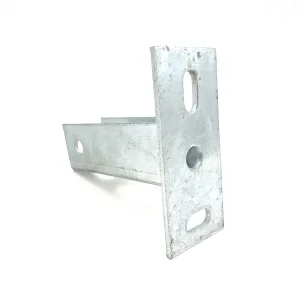
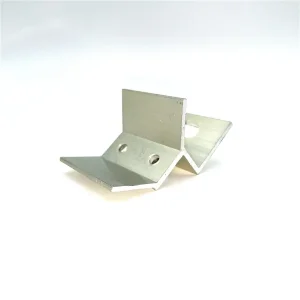
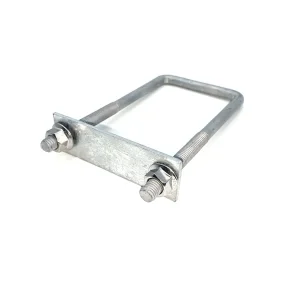
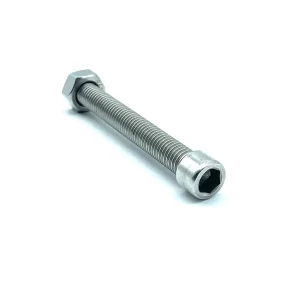
Explore our complete catalog of industrial-grade solar mounting brackets, heavy carriage bolts, and anti-corrosion fixtures serving Osaka factories.