
ISO Class A
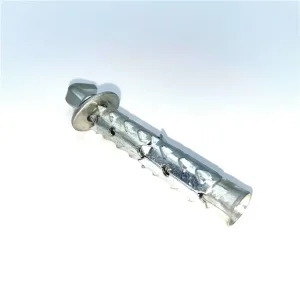
Engineered to support high-tensile subterranean cable routing, raceway anchoring, and photovoltaic balance-of-system (BOS) stability in rugged environments.
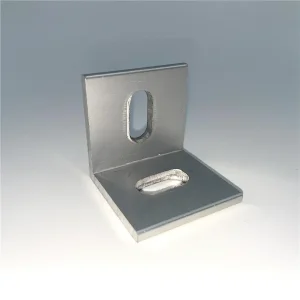
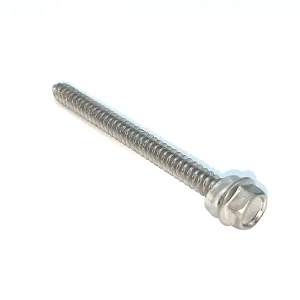
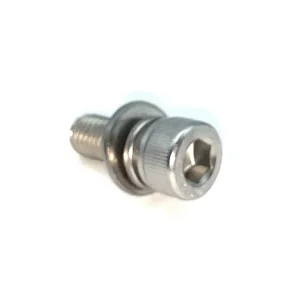
Why leading global EPC firms, power grid operators, and electrical contractors consolidate underground electrical wire and balance-of-system hardware procurement within China's specialized manufacturing clusters.
China accounts for substantial global smelting and continuous casting capacity. Underground wire manufacturers source oxygen-free high-conductivity copper rod (OFHC ≥99.99%) and EC-grade 1350/8000 aluminum alloy directly at stable margins, drastically reducing impedance variance and skin-effect losses across subterranean cable lengths.
Top-tier Chinese underground cable factories leverage state-of-the-art triple-extrusion dry-cure CCV lines for cross-linked polyethylene (XLPE) insulation. This precise coaxial alignment controls concentricity deviations below 3%, eradicating treeing degradation, partial discharge risks, and water-induced micro-void failures in high-voltage soil immersion.
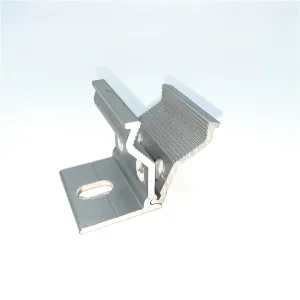
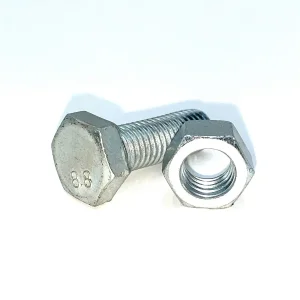
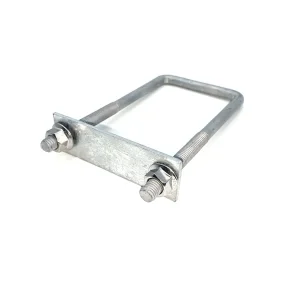
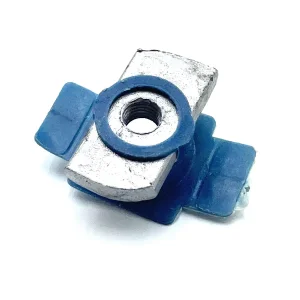
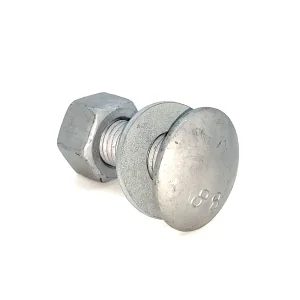
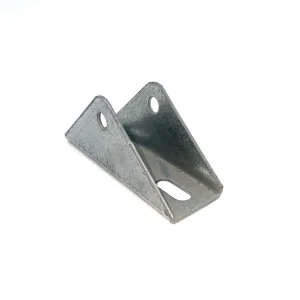
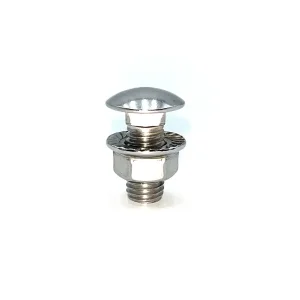
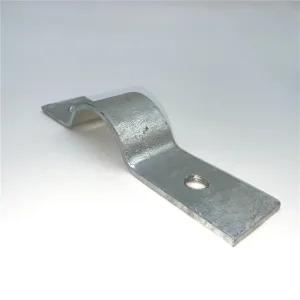
Underground conduit arrays, trench raceways, and vault junction points require robust anchoring. Anchoring clusters (such as Handan Yongnian's fastener hub) provide immediate integration with electrical cabling supplies, delivering synchronized shipments of Class 8.8 hot-dip galvanized anchors, 316 stainless grounding clamps, and marine-grade mounting brackets.
With dedicated internal testing laboratories for tensile creep, sheath puncture impedance, and salt-fog accelerated weathering, Chinese manufacturers expedite custom jacket compounding (LSZH, CPE, anti-rodent polyamide nylon) and engineered bracket prototyping within 72 hours of CAD validation.
Global grid modernizations, climate hardening initiatives, and hyper-scale renewable projects are shifting primary transmission from overhead pylons to deep direct-buried and duct-bank infrastructures.
Wildfire mitigation, hurricane-force wind resilience, and freeze-thaw cycles have forced utilities worldwide to accelerate undergrounding policies. Replacing vulnerable overhead conductors with armored underground cables eliminates wind-induced pole stress and thermal flashovers.
Modern direct-buried cable installations integrate Distributed Temperature Sensing (DTS) optical fiber cores within the outer binder tape. This enables real-time dynamic ampacity calculations, locating localized hotspots before dielectric breakdown occurs.
Transitioning from traditional lead-jacket chemical barriers to moisture-impermeable laminated metal-polymer sheaths (AL/PE, CU/PE) prevents groundwater heavy metal contamination while remaining impervious to aggressive termite and rodent attacks.
Underground electrical installations present radically distinct mechanical and chemical profiles depending on the burial environment. Here is how professional specifications align with site constraints.
| Deployment Environment | Primary Physical Stress | Recommended Cable Profile | Required Fastening & Racking Subsystem | Corrosion Tier |
|---|---|---|---|---|
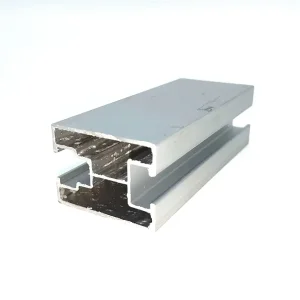
| Direct-Burial Utility Solar | Soil shifting, UV exposure at riser, water seepage | USE-2 / RHW-2 or XLPE Cu/Al Wire with Corrugated Armor | Heavy-Duty Fish Scale Expansion Bolts & 3040 Guide Rails | ISO C3 - C4 |
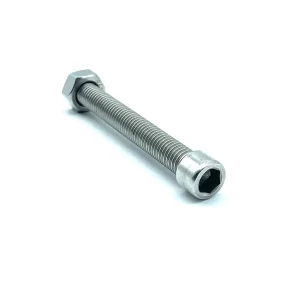
| Coastal Wind Farm Inter-Array | High soil salinity, hydrostatic head pressure, tidal saturation | Cross-linked PE, Water-blocking Swellable Powder, Copper Shield | Marine Grade 316 (A4) Socket Screws & Heavy Carriage Bolts | ISO C5-M Severe |
| Subterranean Metro / Transit Duct | Repetitive dynamic vibration, heavy pulling friction, flame smoke | Low Smoke Zero Halogen (LSZH), Class B2ca Fire Rated Wire | Hot-Dip Galvanized Drop-in Concrete Anchors & Pipe Clamps | ISO C2 - C3 |
| Industrial Petrochemical Facilities | Hydrocarbon runoff, acidic chemical permeation, vehicle load | Steel Wire Armored (SWA) or Lead Sheathed Chemical-Block Wire | Anti-loosening Combination Bolts with Built-In Washers | ISO C4 - C5 |
Addressing regulatory certifications, logistic reliability, and risk-managed contracting for high-volume enterprise buyers across Europe, the Americas, APAC, and the Middle East.
Navigating complex international codes can impede EPC delivery timelines. Chinese export leaders supply electrical wire products pre-certified to IEC 60502-1/2, UL 854 (USE-2), UL 44 (RHW-2), BS 5467, and AS/NZS 1429.1 standards. Factory inspection testing certificates (MTC 3.1) certify copper purity, dielectric withstand, and elongation at break.
High-voltage underground wire requires specialized steel or fumigated hardwood drums to avoid conductor twisting during marine container voyages. Packaging utilizes weather-shield wraps, desiccants, and heat-shrink end-caps with air pressure monitoring valves, preserving insulation integrity across intermodal transit points.
Fluctuating commodity prices on the London Metal Exchange (LME) and Shanghai Futures Exchange (SHFE) expose utility buyers to budget creep. Leading suppliers provide programmatic price lock mechanisms, backwardation hedging structures, and transparent component costing to shield multi-year procurement programs.
Factory-direct structural fasteners, pressure plates, and corrosion-resistant hardware engineered for utility-scale longevity and seamless project handoffs.
Clear, authoritative technical clarifications regarding subsurface cable ratings, thermal impedance in burial trenches, and Chinese factory verification standards.
Engage directly with our engineering department for comprehensive cable ampacity simulations, custom fastening hardware prints, and factory-direct volume pricing quotation.