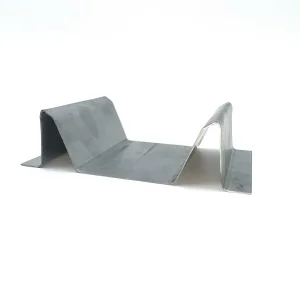
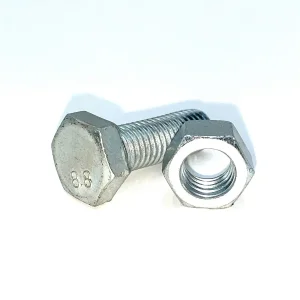
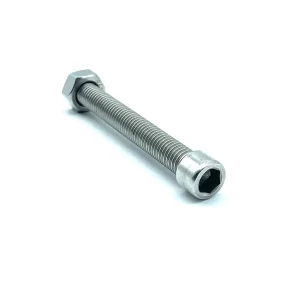
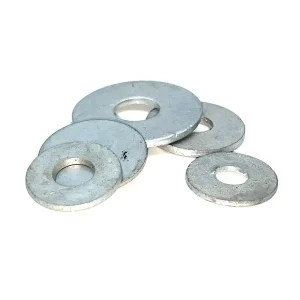
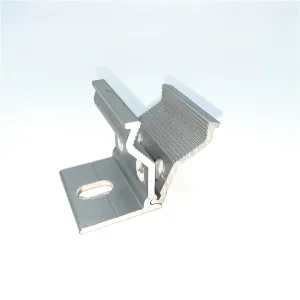
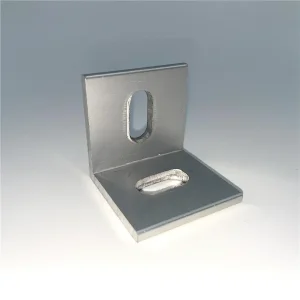
Primary Grounding & Mounting Precision Components
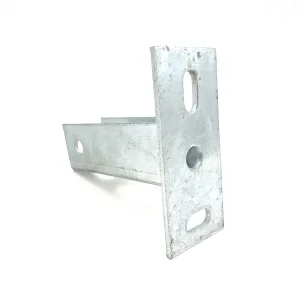
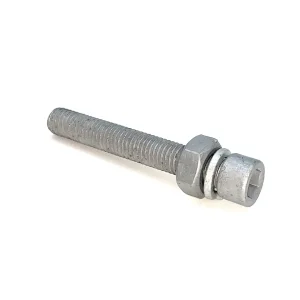
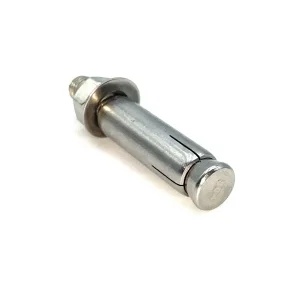
Engineered structural grounding hardware, solar terminal mounts, and heavy-duty fixing fasteners directly sourced from Yongnian manufacturing hubs.
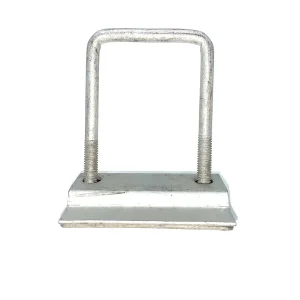
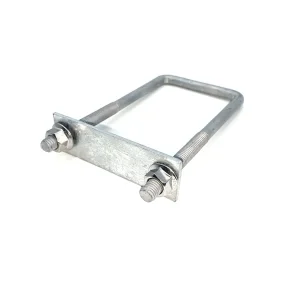
Sub Panel Ground Bar Engineering: The Separation Architecture
In-depth electro-mechanical analysis of grounding electrodes, equipment grounding conductors (EGC), and neutral path isolation compliant with NEC Article 250 and IEC 60364.
Floating Ground vs. Bonded Neutral
Unlike the primary service entrance disconnect where the system neutral conductor is deliberately bonded to the enclosure via a main bonding jumper (MBJ), a secondary distribution sub-panel must maintain absolute electrical galvanic isolation between the neutral busbar and the grounding bar. Failure to isolate results in parallel neutral return paths traversing metallic conduits, creating continuous stray chassis currents, EMI interference, and lethal ground-fault shock hazards.
High-Conductivity Copper & 6061 Alloys
Precision-extruded E-Cu (C11000 electrolytic tough pitch copper) ground bars deliver ≥100% IACS electrical conductivity for instantaneous fault dissipation. For lightweight commercial applications, high-tensile 6061-T6 aluminum alloys electro-tin plated to ASTM B545 prevent cross-metal galvanic decay when interfacing copper conductors and structural zinc-plated steel frames.
Ampacity Tolerance & Short-Circuit Ratings
Ground bars engineered by tier-1 China manufacturers withstand symmetrical fault current conditions exceeding 10kA to 65kA RMS for breaker-clearing durations. Optimized mechanical cross-sectional profiling prevents localized I²t heating from fusing conductors or compromising structural torque under high current loads.
Global Commercial & Industrial Energy Landscape
Cross-regional transition trends driving demand for high-integrity grounding bar assemblies across commercial infrastructure, renewable microgrids, and data environments.
North America (NEC Jurisdictions)
Adoption of NEC 2023 / 2026 mandates stringent rapid-shutdown grounding, separated equipment grounding conduits, and isolated sub panel ground bars for residential micro-inverters, multi-family EV distribution branches, and utility-scale solar arrays.
European Union & IEC Markets
Compliance with IEC 60364-5-54 sets rigorous standards for protective bonding conductors in low-voltage installations. Growing hyperscale data centers require low-impedance equipotential grounding grids to dissipate harmonic frequencies and transient overvoltages.
Asia-Pacific Industrial Expansion
Rapid deployment of decentralized grid systems across Southeast Asia and Australia demands high-amperage, corrosion-resistant grounding buses engineered for extreme tropical humidity, maritime saliferous air, and expansive temperature fluctuations.
Localized Application Engineering Scenarios
Customized configuration blueprints matching electrical code topology across mission-critical modern sectors.
Solar PV Inverters & ESS
High-capacity ground bars installed in solar combiner boxes and battery energy storage system (BESS) sub-panels route lightning discharge, inductive switching spikes, and DC insulation faults reliably to the grounding electrode.
EV Infrastructure Hubs
Level-3 DC fast chargers utilize auxiliary sub-panel ground bars to prevent high-frequency common-mode noise propagation, isolating vehicle charging controllers from ground potential shifts.
Commercial Data Centers
High-density rack arrays require isolated signal reference grounding bars (SRG), maintaining equipotential bonding to eliminate ground loops that distort high-bandwidth optical & Ethernet transmissions.
Marine & Offshore Industrial
Tin-plated marine brass or electro-plated electrolytic copper bars withstand saline air, salt water ingress, and extreme vibration without loosening terminal torque or inducing galvanic degradation.
China Factory Supply Chain Resilience & Handan Cluster Velocity
Unrivaled vertical integration from metallurgical smelting to cold stamping, CNC drilling, surface electroplating, and packaging.
Yongnian Industrial Ecosystem
Located in the heart of Yongnian, Handan City—internationally recognized as "China's Fastener & Hardware Capital"—our facilities benefit from immediate supply access to raw electrolytic copper ingots, precision extrusion factories, heat treatment shops, and robotic CNC machine centers.
Zero-Lag Lead Times & Tooling
With fully integrated tool & die fabrication facilities on-site, customized hole spacing, thread tapping (UNC, UNF, Metric M4-M12), and dual-row staggered terminal layouts transition from engineering CAD drawings to initial production in under 48 hours.
Automated Quality Inspection Matrix
Every grounding bar batch undergoes optical dimensional verification, automated screw-thread torque audits, micro-ohmmeter contact resistance screening, and scheduled ASTM B117 salt spray testing to guarantee zero failure under high-current events.
Sub Panel Ground Bar Material Comparison & Technical Specs
Comprehensive engineering matrix evaluating conductivity, mechanical shear, tensile load, and environmental durability.
| Material Class | Electrical Conductivity (% IACS) | Tensile Strength (MPa) | Corrosion Shielding | Best Use Applications |
|---|---|---|---|---|
| ETP Copper (C11000) | 100% - 101% | 220 - 380 | Bare or Electro-Tin (Sn) | Heavy Industrial, Utility Substations, Critical Main/Sub Panels |
| Aluminum Alloy (6061-T6) | 40% - 45% | 290 - 310 | Tin-Plated / Clear Anodized | Cost-Sensitive Commercial Panels, Lightweight Rooftop PV Arrays |
| Free-Cutting Brass (C36000) | 26% - 28% | 340 - 450 | Natural High Resistance / Nickel | Standard Domestic Sub-Panels, Machine Control Centers |
| Marine Grade 316 Stainless | 2.5% - 3.5% (Mechanical) | 515 - 620 | Passivated Chromium Oxide | Structural Foundation Clamps, Severe Saline Coastal Racking |
Technology Roadmap: Next-Gen Grounding Systems
Strategic advancements shaping the future of industrial panel safety, monitoring, and structural connectivity.
Smart IoT Current Sensor Integration
Emerging electrical standards are driving the adoption of integrated Hall-effect micro-sensors within ground bar assemblies. Real-time telemetry detects insulation leakage currents and harmonic ground loops before protective trip-coils trigger shut-downs.
Push-In Spring Terminal Architecture
To eliminate manual torque error and screw loosening caused by cyclical thermal expansion, next-generation ground bars incorporate maintenance-free gas-tight stainless steel cage-clamp connectors rated for harsh industrial environments.
Advanced Nano-Graphene Composite Coatings
R&D partnerships with regional metallurgy institutes are pioneering hybrid tin-graphene coatings. These surface treatments lower contact resistance by up to 18% while offering extreme resistance against sulfurous industrial atmospheres.
Localization Support & Compliance Assurance
Global project safety hinges on adhering to strict electrical certifications and localized construction requirements.
UL 467 & UL 486A-B
Engineered to satisfy North American requirements for safety grounding and bonding equipment, as well as wire connector standards across standard solid, stranded, and compact aluminum/copper electrical wiring.
IEC 61439-1 / 61439-2
Type-tested conformity for low-voltage switchgear and controlgear assemblies, verifying short-circuit dielectric properties, thermal limits, and protective ground conductor continuity.
RoHS & REACH Directives
Strict non-toxic manufacturing processes restrict hazardous substances, ensuring lead, cadmium, and hexavalent chromium remain within environmental levels for seamless EU border clearance.
Frequently Asked Questions (FAQ)
Authoritative technical guidance for electrical engineers, panel builders, EPC procurement teams, and inspectors.
Heavy-Duty Fastening & Mounting Hardware Series
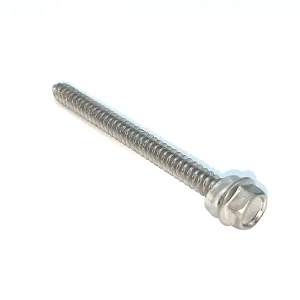
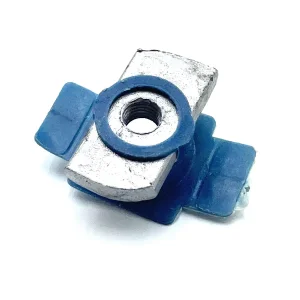
Precision-threaded fasteners, aluminum channel supports, and solar structural brackets designed for high load integrity.