
Engineering Fastener & Structural Mounting Hardware
Heavy-duty, precision-stamped anchor bolts and cold-formed clamping hardware delivering uninterrupted load paths across timber-to-concrete and steel framing arrays.
The Evolution of Simpson-Style Tie Down Anchors in Modern Construction
Decoding the continuous load path: How cold-rolled carbon steel, hot-dip galvanization (HDG), and precision metallurgy mitigate lateral shear and seismic uplift forces.
In contemporary light-frame construction, engineered timber infrastructure, and elevated solar PV racking installations, the continuous vertical and lateral load paths serve as the backbone of structural safety. Simpson-style tie down anchors—historically identified with hurricane ties, holdowns, mudsill anchors, and seismic strapping brackets—are designed specifically to transfer immense tension and shear loads from upper-level trusses and shearwalls directly into concrete foundations or heavy structural steel elements.
By coordinating metallurgical control over structural steels (such as Q235B, Q355B, and 10B21 borane steels) with specialized surface coatings (ASTM A153 Class C hot-dip galvanizing or 304/316 austenitic stainless steel), precision manufacturing guarantees high ductile elongation without premature fracture under peak dynamic loading conditions.
Continuous Tension Load Path
Engineered to resist catastrophic roof blow-offs and structural racking. Anchors form an uninterrupted mechanical chain transferring upward suction forces straight to solid foundation pads.
Ductility Under Cyclic Fatigue
Cold-stamped structural connectors with optimized radius bends prevent micro-fissures during intense earthquakes, ensuring sustained dynamic dampening without metal tear-out.
Corrosion Shielding Optimization
Advanced hot-dip galvanization layers exceed 85µm coating thicknesses, easily withstanding 1,000+ hours of continuous neutral salt spray (ASTM B117) exposure without red rust occurrence.
Strategic Edge: Manufacturing Tie Down Anchors in Yongnian, China
A synergistic convergence of raw billet availability, dedicated high-tonnage stamping automation, and in-house galvanic plating infrastructures.
Fastener Capital Ecosystem
Situated directly inside Yongnian, Handan, our supply chain features zero intermediate transit costs for cold-heading wire rods, high-purity zinc, and premium stainless blanks.
Tooling & Custom Stamping
Complete in-house CNC wire-EDM die fabrication enables agile adaptation to proprietary engineer prints, bespoke hole arrays, and unique gauge profiles in under 14 days.
Dimensional Tolerance
High-precision automated continuous stamping presses maintain strict pitch tolerances of ±0.15mm, guaranteeing seamless field fastener engagement on job sites.
Tier-1 Export Logistics
Direct rail and multi-lane highway freight link our facilities straight to Tianjin and Qingdao ports, unlocking scalable container shipping capacity with minimal lead latency.
Material Specification & Coating Standards Matrix
Comparative structural assessment across standard carbon, hot-dip galvanized, and stainless steel formulations for Simpson tie down anchor equivalents.
| Anchor / Connector Type | Base Metallurgy | Surface Treatment | Design Uplift / Shear Capacity | Target Environmental Scope |
|---|---|---|---|---|
| Hurricane Ties (H2.5A / H10 Equivalent) | ASTM A653 Structural Steel / Q235B | G90 / G185 Zinc or HDG (55µm) | 525 lbs – 1,350 lbs Tensile | Roof rafter-to-wall plate framing; non-coastal inland conditions. |
| Heavy Holdown Anchors (HDU / HDQ Series) | Heavy Gauge Q355B Alloy Carbon Steel | Hot-Dip Galvanized (ASTM A153, >85µm) | 3,000 lbs – 12,500 lbs Dynamic Tension | Multi-story shear wall restraint, seismic drift stabilization. |
| Mudsill & Foundation Anchor Straps | Formed Structural Strip Steel | Continuous Galvanized / Sherardized | 1,800 lbs – 4,200 lbs Shear | Cast-in-place concrete footings, stem wall framing anchorage. |
| Coastal Marine Ties & Fasteners | AISI 304 (A2) / AISI 316 (A4) Stainless | Passivated Acid Pickle Cleaned | Superior Ultimate Yield Retention | C4/C5 Maritime zones, saltwater exposure, chemically treated lumber. |
| Solar Racking Ballast Tie Downs | Anodized 6005-T5 Aluminum & 304 SS | Anodized (>15µm) / Anti-Galling Coated | Calculated Dynamic Wind Uplift Path | Commercial rooftop PV, utility solar farms, wind-induced harmonic loads. |
Macro-Sector Industrial Applications & Field Implementations
Delivering resilient structural performance across mission-critical building sectors, offshore arrays, and utility installations.
Light-Frame Residential Framing
Providing high-volume continuous tie down brackets, seismic anchor plates, and truss straps to international tract builders and construction supply distributors across North America, Australasia, and Europe.
Photovoltaic & Renewable Energy Arrays
Ground-mounted and flat-roof ballasted PV installations require specialized hold-down anchors and side clamps able to absorb multi-directional cyclic gusts, micro-vibrations, and extreme thermal contractions.
Industrial Warehousing & Infrastructure
Cast-in-place heavy J-bolt anchors, foundation anchor brackets, and concrete expansion sets engineered for overhead gantry support columns, tilt-up wall joints, and deep structural shear interfaces.
Heavy-Duty Fasteners, Structural Plates & Rail Solutions
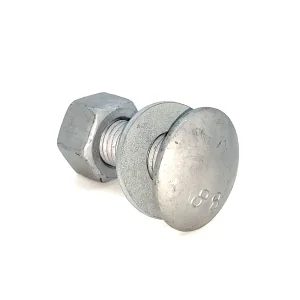
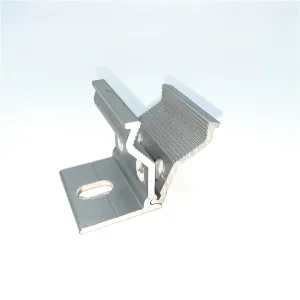
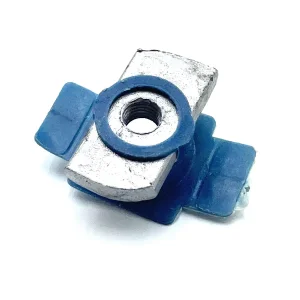
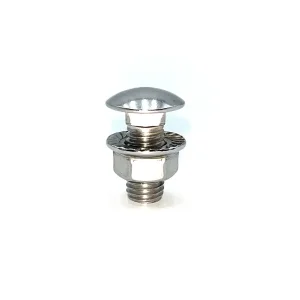
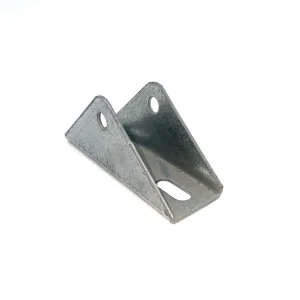
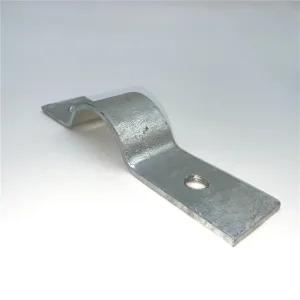
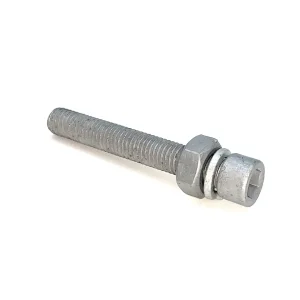
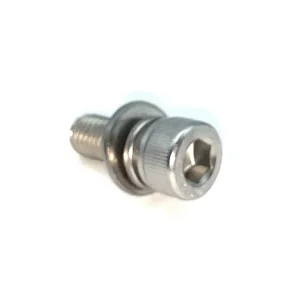
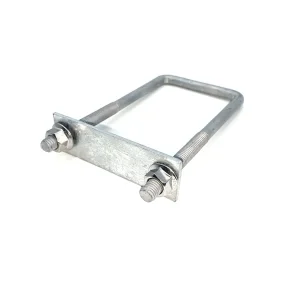
Complete assembly hardware including stainless carriage fasteners, multi-hole connectors, pressure plates, and socket combination bolts direct from factory floor.
Frequently Asked Questions on Simpson Tie Down Anchors
Expert engineering insights covering code compliances, anti-corrosion selection, tensile proofing, and factory audit verification.