
Integrated Membrane Anchorage & High-Tensile Structural Hardware
A resilient waterproof building envelope depends directly on mechanical anchorage integrity. Review our ISO-certified structural fastening systems, thermal break seam assemblies, and PV-integrated brackets designed for mission-critical wind-load resistance.
Macro Commercial Dynamics & The Shift to Engineered Membrane Assemblies
Modern building envelope integrity has shifted from rudimentary asphalt coatings to precision-calendered polymer and modified-bitumen coiled materials engineered to survive continuous hydrostatic pressure, severe wind uplift, and chemical attack.
Polymer Material Transition
Global commercial roofing specifications are rapidly consolidating around Thermoplastic Polyolefin (TPO), Polyvinyl Chloride (PVC), and Ethylene Propylene Diene Monomer (EPDM). These single-ply synthetic coils provide superior solar reflectance index (SRI) ratings, eliminating heat-island effects while offering hot-air weldable seams with tensile shear strength exceeding the parent membrane sheet.
Severe Wind Uplift Demands
With intense microburst storms and hurricane events escalating globally, building codes (such as FM Global Class 1-90 to 1-180 and Eurocode EN 1991-1-4) necessitate integrated mechanical attachment. High-tensile seam fastening plates, self-drilling fasteners, and engineered stress-distribution anchors ensure the coiled membrane remains securely locked to structural decking under dynamic negative pressures.
BIPV & Decarbonization Mandates
The convergence of industrial roofing with Building Integrated Photovoltaics (BIPV) requires waterproof coiled materials capable of 25–30 year service lifetimes without re-roofing intervention. Membrane formulation must withstand increased operational thermal loading, chemical runoff, and point load distributions from non-penetrating clamping and ballasted mounting structures.
Comparative Engineering Matrix: Selecting Coiled Membrane Systems
Engineers and corporate procurement directors must align membrane chemistry, backing reinforcements, and anchoring systems to specific thermal, mechanical, and regulatory criteria. Below is the technical specification roadmap across key commercial classifications.
| Membrane Material Family | Reinforcement Core | Tensile Strength (MPa) | Low-Temp Flexibility (°C) | Hydrostatic Resistance (Water Column) | Primary Commercial Use Cases |
|---|---|---|---|---|---|
| SBS Modified Bitumen (Elastomeric) | Spunbond Polyester Mat (180–250 g/m²) | ≥ 800 N / 50mm | -25°C to -40°C | ≥ 0.3 MPa (30 min watertight) | Multi-ply commercial roofs, subterranean basements, bridge decks, cold-climate civil infrastructure. |
| APP Modified Bitumen (Plastomeric) | Continuous Filament Non-Woven Poly | ≥ 750 N / 50mm | -15°C to -20°C | ≥ 0.3 MPa (30 min watertight) | High-temperature industrial roofing, Middle East & African equatorial logistics hubs, exposed solar rooftops. |
| TPO Synthetic Coil (Thermoplastic Polyolefin) | Encapsulated Polyester Scrim Weave | ≥ 12.0 MPa | -40°C to -50°C | ≥ 0.5 MPa (Impermeable) | Lightweight steel deck C&I warehouses, BIPV solar installs, data centers requiring cool-roof SRI > 104. |
| PVC Coiled Membrane (Polyvinyl Chloride) | Weft-Inserted Glass Fiber / Polyester | ≥ 10.5 MPa | -30°C to -40°C | ≥ 0.5 MPa (Impermeable) | Chemical manufacturing facilities, airports, green roof planters requiring extreme root-puncture resistance. |
| Cross-Laminated Self-Adhesive (HDPE Compound) | Dual-Axis High-Density Polyethylene | ≥ 35.0 N/mm | -30°C | ≥ 0.6 MPa (High Head Pressure) | Pre-applied subterranean foundation slabs, cut-and-cover subway tunnels, wet-applied continuous building envelopes. |
China Factory Cluster Synergy & Supply Chain Resilience
Sourcing from Handan Youlong Fastener Co., Ltd. located within China's Fastener and Structural Hardware Capital (Yongnian Industrial Cluster) provides a structural competitive edge in raw material procurement, metal extrusion, precision cold-heading, and direct seaport connectivity.
Vertical Metallurgy & Chemistry Integration
Direct supply partnerships with tier-1 steel mills and polymer resin refiners eliminate intermediate margin stacking. Our plant operates continuous wire drawing, cold-heading, CNC threading, and hot-dip galvanizing lines alongside automated membrane distribution networks.
Compression of Production Lead Times
With an integrated production footprint yielding tens of thousands of metric tons per month, custom tooling dies, non-standard fastener lengths, and specialized seam bar profiles are transitioned from CAD drafting to mass production within 7 to 14 working days.
End-to-End Traceability & MTRs
Every consignment is accompanied by verified Mill Test Reports (MTR) according to EN 10204 3.1. We log carbon equivalent calculations, polymer molecular distribution curves, salt spray exposure hours, and elongation break points per heat and production batch.
Global Containerized Logistics
Strategic proximity to Tianjin Port and major railway arteries permits seamless multimodal intermodal container dispatch. Heavy structural fasteners and coiled rolls are packed in moisture-sealed shrink-wrapped maritime pallets engineered for long ocean voyages.
Mission-Critical Installation Scenarios & Failure Prevention
Waterproof failures rarely occur in the center of an unobstructed membrane sheet. In over 92% of documented forensic investigations, envelope compromise stems from perimeter stress cracking, differential thermal movement, fastener backing-out, or galvanic degradation.
1. High-Bay Logistics & Data Center Flat Roofs
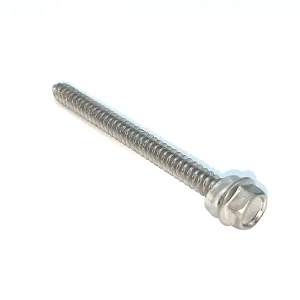
Large open-span warehouse steel decks undergo constant dynamic deflection under forklift movement, internal HVAC pressurization, and cyclonic vortex winds. Here, mechanically attached TPO or 2-ply SBS systems utilizing barb-locking stress plates and carbon steel self-tapping screws distribute point shear stresses across reinforced seam overlaps.
2. BIPV & Commercial Solar Overlays
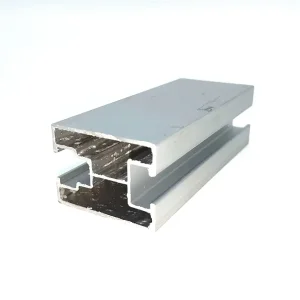
Mounting solar arrays over coiled membranes introduces complex loading vectors: constant dead load, uplift vibrations, and heightened localized temperatures. Using reinforced 3040 aluminum guide rails, M-Type water drainage channels, and stainless angle brackets preserves watertight membrane seams while enabling thermal expansion slide paths.
3. Deep Subterranean Basements & Tunnels
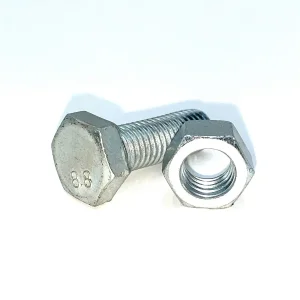
Under continuous hydrostatic heads exceeding 30 meters, pre-applied HDPE self-adhesive coiled membranes mechanically interlock with post-poured concrete. Concrete expansion anchors and high-tensile hot-dip galvanized anchor bolts provide secure structural clamping without creating capillary moisture migration paths.
4. Coastal, Offshore & Desalination Facilities
Marine environments (ISO 12944 C5-M classification) rapidly corrode standard zinc electroplated hardware within 18 months, leading to anchor pullout and membrane stripping. Specifying grade 316 (A4-80) austenitic stainless steel fasteners, combined with EPDM insulating isolation washers, prevents electrolytic galvanic coupling between aluminum clamping and steel structures.
5. High-Chemical & Industrial Exhaust Roofs
Refineries, pulp mills, and chemical processing plants emit acidic fumes that degrade conventional asphalt binders. Formulated elastomeric PVC or specialty reinforced alloy-jacketed coiled sheets, coupled with fluoropolymer-coated fasteners (withstanding 2,000+ hours ASTM B117 salt spray), provide unmatched chemical and puncture resilience.
6. Cold-Climate Freeze-Thaw Municipal Bridges
Bridge decks and suspended viaducts undergo violent cyclic thermal contraction and shear stress. SBS polymer-modified coiled membranes with -40°C flexibility ratings absorb vibration, prevent road-deicing salt intrusion into reinforcing steel rebar, and ensure seamless asphalt wearing-course adhesion.
International Regulatory Standards & QA Verification Protocols
Global civil engineering tenders require strict adherence to international building codes. Youlong integrates in-house destructive and non-destructive laboratory testing to ensure zero failure across major worldwide compliance systems.
ASTM International Protocols
Our coiled materials and mechanical fasteners comply with ASTM D6878 (Standard Specification for Thermoplastic Polyolefin Based Sheet Roofing), ASTM D6164 (SBS Modified Bituminous Sheet Materials), and ASTM A153/A123 for hot-dip galvanization thickness and adhesion.
European Norms & CE Marking
Products conform to EN 13956 (Flexible sheets for waterproofing - Plastic and rubber sheets for roof waterproofing) and EN 13707 (Reinforced bitumen sheets for roof waterproofing), guaranteeing harmonized tear resistance, artificial aging, and reaction-to-fire class Euroclass E/B_ROOF(t1).
FM Global & ISO 9001:2015
Hardware anchor assemblies and distribution plates undergo simulated dynamic cyclic wind uplift testing comparable to FM Approval Standard 4470. Quality control operations adhere strictly to ISO 9001 (Quality), ISO 14001 (Environmental), and ISO 45001 (Occupational Safety) standards.
High-Torque Mounting Hardware & Specialized Roofing Accessories
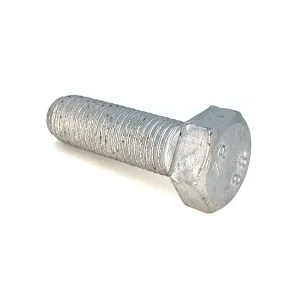
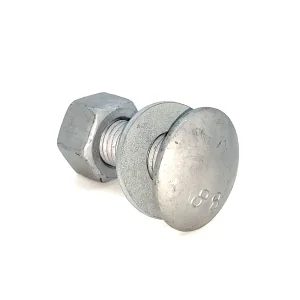
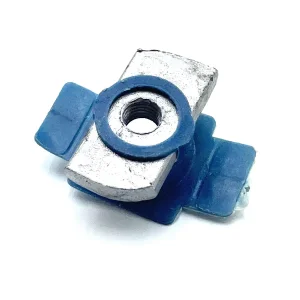
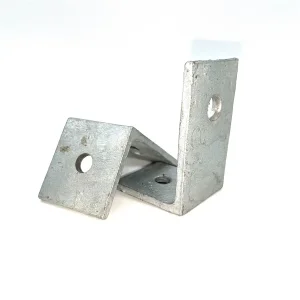
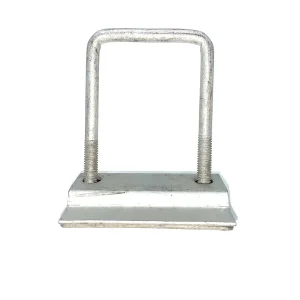
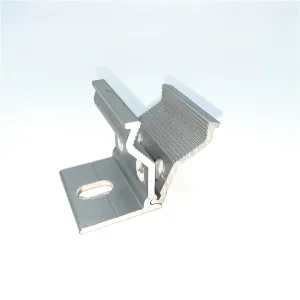
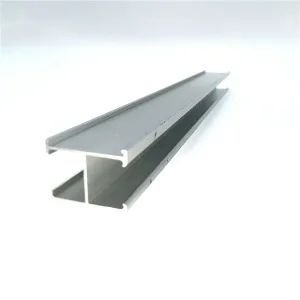
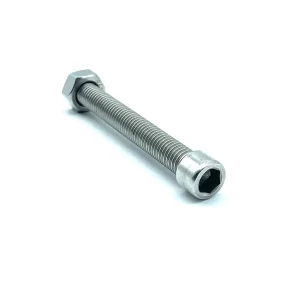
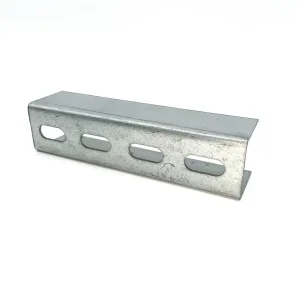
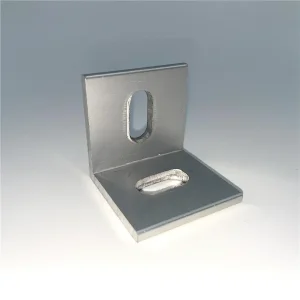
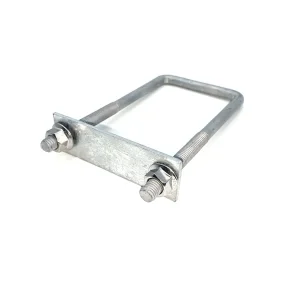
Complete your waterproof envelope procurement with factory-direct aluminum alloy guides, seam purlin connectors, and stainless socket fasteners built to endure extreme environmental weathering.
Frequently Asked Questions for EPCs, Importers & Specifiers
Authoritative technical guidance addressing critical specification questions regarding waterproof coiled membranes, fastening engineering, galvanic protection, and factory OEM capabilities.
What is the difference between mechanically attached and fully adhered coiled membranes?
Mechanically attached systems utilize high-tensile stress plates and self-tapping fasteners driven into structural decking through the seam overlap before hot-air welding. This method allows rapid installation across steel-deck warehouses regardless of sub-zero ambient temperatures and accommodates structural deck movement. Fully adhered systems use solvent or water-based adhesives across concrete decks, offering zero penetrations but requiring pristine dry substrate conditions and higher installation labor.
How do you eliminate galvanic corrosion between aluminum solar rails and steel fasteners?
Galvanic corrosion occurs when dissimilar metals (e.g., aluminum 6005-T5 and carbon/stainless steel) maintain direct electrical contact in the presence of an electrolyte like rainwater. We supply engineered EPDM isolation washers, specialized plastic wing nuts, or factory-applied Dacromet / organic Ruspert composite coatings that create an impermeable non-conductive barrier, eliminating galvanic degradation even in high-humidity C4/C5 coastal zones.
Why is low-temperature flexibility critical when selecting SBS modified bitumen coils?
SBS (Styrene-Butadiene-Styrene) is a synthetic rubber modifier that imparts true elastic memory to bitumen. If an inferior grade with insufficient SBS polymer content is deployed in sub-zero regions (e.g., Northern Europe, North America, Central Asia), thermal contraction causes brittle micro-cracking across structural joints. Youlong's certified SBS membranes maintain verified crack-free flexibility down to -25°C and -40°C on 30mm cylindrical mandrels.
Can Youlong fabricate custom-dimension brackets and specialized fasteners from client CAD drawings?
Yes. As a direct manufacturer located in Yongnian, our tooling engineering division operates automated stamping presses, cold-forging multi-station headers, and 5-axis CNC machining centers. We manufacture custom angle brackets, slotted splice plates, purlin connectors, and long-shank foundation bolts to exact millimeter tolerances, complete with sample prototyping and rapid CMM coordinate inspection reports.
What testing documentation is delivered with export shipments?
Every commercial consignment includes comprehensive 3.1 Mill Test Certificates detailing chemical composition, yield strength, tensile rupture limits, elongation percentages, and coating thickness measurements (e.g., magnetic gauge hot-dip zinc verification). For waterproof coils, reports confirm hydrostatic resistance, seam peel strength, accelerated heat aging, and dimensional stability.
How does an M-Type aluminum water channel protect solar carports and BIPV roofs?
In waterproof solar carports and BIPV agricultural greenhouses, photovoltaic panels double as the secondary roof shedding surface. Our M-Type extruded aluminum water channels fit directly beneath panel joints, catching any runoff bypass or condensation and funneling it into designated gutter systems, while simultaneously acting as structural load-bearing purlin supports.