Featured Fasteners & PV Mounting Fittings (Batch I)
Engineered for high-torque retention, micro-vibration resistance, and C4/C5 marine atmospheric corrosion resilience.
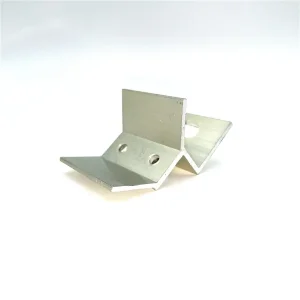
Best High-Strength Aluminum Trapezoidal Metal Roof Clamp for Solar PV Installation
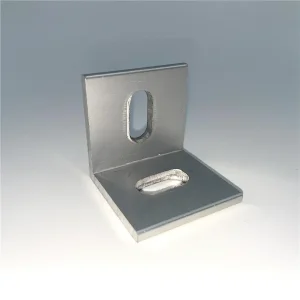
Best High-Quality Aluminum Alloy Angle Bracket for Solar PV Systems
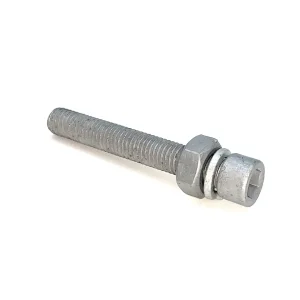
China Suppliers Factory High-Strength Hex Socket Bolt with Cylindrical Head
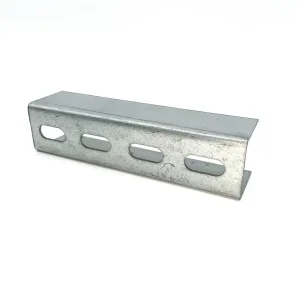
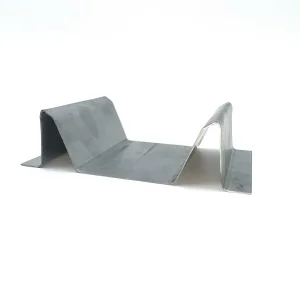
Buy Durable Solar PV Mounting Purlin Connector - High Strength
Buy China Stainless Steel Hex Socket Combination Bolt Factory - Anti-Loosening
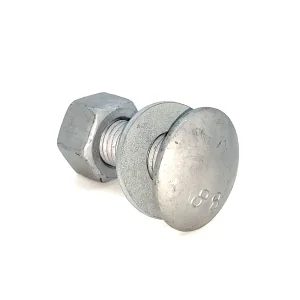
China Heavy-Duty Hot-Dip Galvanized Carriage Bolt - Superior Corrosion
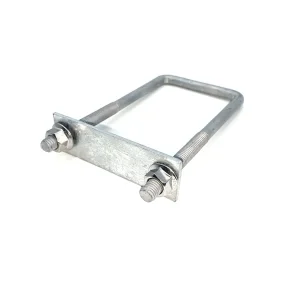
Buy China Suppliers Factory Double-Hole Pressure Plate for Solar PV
Buy Durable Solar PV Mounting Purlin Connector from China Factory
The Architecture of Modern Anchor Fastener Fittings
Comprehensive engineering analysis of mechanical expansion, chemical bonding, and structural fastening in demanding load paths.
Mechanical Anchor Mechanics
Wedge anchors, sleeve anchors, and undercut fixings rely on radial compressive displacement against concrete boreholes. When torque is applied to the threaded stud, the precision-tapered cone is pulled upward into an expansion clip, causing the metallurgical sleeve to deform outward into the concrete aggregate.
Understanding cracking concrete mechanics is vital: cracked concrete conditions (seismic Category C1/C2 or dynamic wind flutter) demand dual-clip or undercut anchors tested under EOTA TR 049 and ACI 355.2 to eliminate shear slipping and edge spalling under transient tensile loads.
- Radial expansion friction ratios exceeding 1.4 kN/mm²
- Dual-collar expansion prevents slip during seismic cycles
Chemical Injection Systems
Where minimum edge distances or narrow structural pilings preclude high mechanical expansion forces, chemical vinyl-ester, pure epoxy, and hybrid methacrylate injection anchor systems dominate. Unlike expansion bolts, adhesive anchors transfer structural stress evenly across the entire drilled depth via molecular bonding.
Youlong's anchor threaded rods feature rolled external threads with chamfered lead-ins, optimized for sustained creep resistance under sustained high-temperature regimes (+40°C to +80°C), preventing long-term slip in utility solar foundations and vibration-heavy railway bridge mountings.
- Zero bursting stress enables ultra-close edge distances
- High adhesion strength in diamond-cored saturated concrete
Metallurgy & Galvanic Isolation
Structural anchor fastener failures are overwhelmingly metallurgical rather than sheer sizing mistakes. In solar PV and facade infrastructure, joining dissimilar metals (e.g., anodized 6005-T5 aluminum rails with carbon steel fasteners) without dialectic barrier washers produces rapid electrochemical galvanic pitting.
Our engineering lines offer custom passivated Austenitic Stainless Steel (A2-70, A4-80 / SS316), alongside specialized Dacromet, Geomet 500B, and thermal diffusion zinc coatings achieving over 1,500 hours of Neutral Salt Spray (NSS) test resistance without red rust formation.
- ISO 3506-1 compliant stainless cold-headed forgings
- Non-electrolytic flake zinc coatings eliminate hydrogen embrittlement
International Procurement Dynamics: EPC, Utility, & Distributor Demands
Strategic purchasing behavior in the fastener industry has shifted from simple unit cost purchasing to Total Cost of Ownership (TCO) and ESG-verified resilience.
Structural Trends Across Tier-1 EPC Projects
Engineering, Procurement, and Construction (EPC) conglomerates managing gigawatt-scale renewable infrastructure, high-speed rail tracks, and data center developments face unprecedented performance liability. A catastrophic anchor bolt failure on a tracker pier or seismic cable tray can trigger millions of dollars in liquidated damages.
As a result, global procurement specifications now universally mandate:
- Mill Test Certificates (MTC) to EN 10204 Type 3.1: Complete chemical ladle analysis, yield point verification, and elongation percentages traceable back to original steel melt heats.
- Pre-assembled Hardware Kits: Pre-packaged bolts, spring lock washers, flat washers, and hex flange nuts arranged in sequence to reduce on-site installer fatigue and eliminate field torque mismatch.
- Strict Tolerancing on Chamfers & Thread Leads: Automated nut-runners require precision lead-in threads with zero burrs to prevent thread galling at high rotational installation speeds (600+ RPM).
Distributor Inventory Velocity & Rationalization
For regional fastener stockists in Europe, North America, the Middle East, and Latin America, holding fragmented SKUs from disparate Tier-3 workshops erodes working capital. Wholesalers are aggressively consolidating their procurement onto integrated manufacturing plants capable of co-producing:
- Heavy Hex Structural Bolts & Anchors: ASTM A325, A490, DIN 6914 Grade 10.9 structural bolting alongside wedge anchors (ETA Option 1 cracked concrete approved).
- Extruded Rail Channels & Stamped Angle Joiners: Splicing fittings, M-channels, and clamp hardware bundled in containerized mixed consignments.
- Private-Label OEM Custom Packaging: Barcoded retail packaging, color-coded master cartons, and palletized wooden crates shrink-wrapped with waterproof VCI corrosion-inhibiting liners.
China's Fastener Capital: Supply Chain Resilience & Smart Efficiency
How the Yongnian (Handan) industrial cluster combines concentrated raw materials, robotic multi-station cold heading, and integrated surface finishing.
Cumulative volume supplied across global infrastructure, PV, and wind projects over the last decade.
Tooling designers, metallurgical quality engineers, and robotic machining line technicians.
NSS chamber endurance for our proprietary multi-layer Dacromet and HDG anti-corrosion finishes.
Digital ERP barcode tracking linked from raw wire rod coil annealing to final dispatch torque testing.
Ecosystem Agglomeration in Handan
Handan Youlong operates in Yongnian District, Hebei Province — universally recognized as China's Fastener Capital. This geographic cluster produces over 45% of China's national structural fastener output. The geographical proximity of premier steel billet producers (such as Hebei Iron & Steel Group) provides us with direct access to high-grade wire rod (Q235B, 35K, 45#, 40Cr, SCM435, 304, 316) within a 30-kilometer logistical radius.
By eliminating long-distance domestic raw material freight and intermediate raw wire traders, our production cycle achieves a 15–20% operational cost efficiency, passing measurable capital margins directly to global importers.
Cold Forging & CNC Precision Machining
Our modern workshops utilize advanced multi-station high-speed cold heading machinery and progressive stamping presses ranging from 60 to 400 metric tonnes capacity. Cold-headed fasteners benefit from continuous metallurgical grain flow along the bolt shank and head juncture, generating up to 25% higher tensile and shear fatigue limits compared to hot-cut or turned alternatives.
For specialized anchor sleeves, rail connectors, and PV bracket channels, high-precision CNC finishing cells maintain dimensional tolerances within ±0.05 mm, guaranteeing frictionless alignment on installation job sites.
Quality 4.0: Optical & Tensile Verification
Quality is not assumed; it is physically and metallurgically verified. Our laboratory contains automated CCD laser optical sorting machines that inspect 100% of fastener critical dimensions, thread pitch, and head concentricity at speeds exceeding 600 pieces per minute, rejecting any micro-flawed parts automatically.
Destructive testing apparatus include 600 kN computer-controlled servo-hydraulic tensile test beds, Rockwell/Vickers hardness testers, Charpy V-notch impact testers at -40°C, and dedicated ASTM B117 salt spray chambers to document corrosion resistance under rigorous engineering standards.
Anchor Fastener Mechanical Properties & Specification Guide
Reference guide for EPC structural calculation engineers, project procurement managers, and technical inspectors.
| Fastener Category | Common Materials | Tensile Strength (Rm) | Yield Strength (ReL) | Surface Treatment Options | Corrosion Resistance Class | Primary Industrial Use Case |
|---|---|---|---|---|---|---|
| Heavy Wedge Anchor (Through-Bolt) | Carbon Steel / SS304 / SS316 | 500 – 800 MPa | 400 – 640 MPa | Zinc Plated / Hot Dip Galv (HDG) / Dacromet | ISO C3 – C5 | Solid Concrete, Heavy Industrial Equipment, PV Ballast Piers |
| Drop-In Internal Thread Anchor | Q235 / AISI 1020 / Stainless | 450 – 600 MPa | 320 – 420 MPa | White/Yellow Zinc / Passivated A2/A4 | ISO C2 – C4 | MEP Ductwork, Solar Conduit Suspension, Ceiling Cable Trays |
| Chemical Anchor Stud (Threaded Rod) | Grade 5.8 / 8.8 / SS316 / Duplex | 500 – 830 MPa | 400 – 660 MPa | Zinc Flake / HDG / Passivated Plain | ISO C3 – C5M Marine | Edge-Close Retaining Walls, Vibration Tracks, Wind Turbine Bases |
| Hex Socket Head Cap Screws (DIN 912) | SCM435 Alloy Steel / 40Cr | 1040 – 1220 MPa | 940 – 1100 MPa | Black Oxide / Zinc Nickel / Geomet 500 | ISO C2 – C4 | High-Clamping PV Framing, Precision Mechanical Couplers |
| Structural Carriage Bolt (DIN 603) | Low/Medium Carbon / SS304 | 400 – 800 MPa | 300 – 640 MPa | ASTM A153 HDG / Dacromet | ISO C3 – C5 | Perforated PV Unistrut Channels, Timber-to-Steel Joining |
| Solar Rail Splice & Purlin Connectors | AL6005-T5 / Q235B Cold Stamped | 260 – 450 MPa | 240 – 350 MPa | Anodized ≥ 10μm / HDG ≥ 85μm | ISO C4 – C5 High UV | Continuous Ground-Mount Racking, Waterproof Carport Splices |
Localized Engineering Application Scenarios
Demonstrated performance under harsh operational conditions across diverse global climates and structural settings.
Desert Utility-Scale Photovoltaics
Deployed across major solar fields in the Middle East and Central Asia. Extreme diurnal thermal swings (-5°C at night to +52°C ambient at midday) generate cyclic thermal expansion between long aluminum rail profiles and concrete pile foundations.
Youlong's slotted 3-hole purlin connectors and stainless carriage bolts, equipped with Belleville disc spring washers, absorb longitudinal thermal deformation without relaxing critical clamping pre-load, preventing bolt shear and module misalignment.
Coastal & Offshore Heavy Industrial Corridors
Chemical plants, port gantry cranes, and offshore wind power substations expose anchor fittings to relentless sea-spray salt fog and airborne sulfur dioxide (SO₂). Conventional electro-galvanized bolts blister and show deep red rust within weeks.
Our Austenitic A4-80 (SS316 with 2.5% Molybdenum) and specialized zinc-nickel flake coated expansion anchors offer unyielding resistance against chloride stress-corrosion cracking (SCC), maintaining structural integrity through decades of corrosive exposure.
High-Rise Seismic Retrofitting & Curtain Walls
Architectural curtain walls and commercial facade brackets demand anchors that handle combined dynamic wind gusts and seismic shear displacements. Anchor fasteners must prevent catastrophic shear cone failure in narrow reinforced concrete floor slabs.
Our heavy-duty undercut sleeve anchors distribute internal concrete wedge forces along a wider conical boundary, satisfying seismic performance criteria while allowing rapid, plumb bracket leveling during exterior glazing erection.
Frequently Asked Questions: Global Fastener Procurement
Direct technical answers addressing engineering standards, torque metrics, export logistics, and OEM manufacturing customization.
What is the fundamental difference between wedge anchors, sleeve anchors, and drop-in anchors?
Wedge anchors (also referred to as through-bolts) are designed strictly for solid uncracked and cracked concrete. The bolt hole diameter matches the anchor diameter, allowing through-fixture drilling for rapid installation. Sleeve anchors feature a full-length expansion sleeve over the inner stud, which allows them to function in base materials with lower compressive strength or slight porosity (such as hollow concrete block or solid masonry). Drop-in anchors are internally threaded female anchors set flush with the concrete surface using a manual setting tool; they are ideal for suspending MEP piping, cable trays, or threaded rods where fixtures must be unbolted and remounted without leaving exposed studs.
How do you calculate and prevent galvanic corrosion when fastening aluminum solar rails with stainless steel bolts?
Galvanic corrosion occurs when two electrochemically dissimilar metals are in direct contact in the presence of an electrolyte (rainwater, humidity, salt spray). The electrochemical potential difference between 6005-T5 aluminum (-0.90 V) and 304/316 austenitic stainless steel (-0.08 V) causes aluminum to act as an active sacrificial anode, degrading around bolt holes. To eliminate this, Youlong supplies integrated anti-galvanic isolation systems: UV-resistant EPDM or non-conductive PA66 nylon isolating washers between bolt flanges and rail channels, or non-conductive Geomet 500B surface barriers that maintain zero electrical potential gradient across the connection.
What quality documentation accompanies export shipments to Europe, the USA, and Australia?
Every shipment leaving our Yongnian manufacturing complex is accompanied by complete inspection documentation: EN 10204 Type 3.1 Mill Test Certificates containing spectroscopic chemical element percentages (C, Si, Mn, P, S, Cr, Ni, Mo) and mechanical tensile, proof load, yield, and elongation metrics; dimensional inspection reports generated by automated optical sorting systems; third-party neutral salt spray (ASTM B117) certification reports; and Certificate of Origin (CO / Form E / Form A) to facilitate preferential customs clearance.
Why is hot-dip galvanizing (HDG) sometimes rejected for high-strength Grade 10.9 and 12.9 fasteners?
Acid pickling prior to conventional hot-dip galvanizing introduces atomic hydrogen into the high-tensile metallurgical matrix of quenched and tempered steels with hardness exceeding 32 HRC (Grade 10.9 and 12.9). Under sustained tensile load, this can cause sudden, catastrophic hydrogen-induced delayed brittle failure without visible prior deformation. For Grade 10.9 and 12.9 structural bolts and heavy anchors, Youlong specifies non-electrolytic zinc-flake coatings (Dacromet / Geomet) or mechanical plating, which completely avoids acid pickling and eliminates hydrogen embrittlement risks while providing up to 1,500 hours of salt spray protection.
Can Youlong fabricate custom OEM brackets and anchor assemblies from customer CAD / STEP drawings?
Yes. Our factory operates an integrated tooling and die design center. We engineer progressive stamping dies, cold-heading tool sets, and extrusion profiles directly from 2D engineering drawings (DWG, DXF, PDF) and 3D CAD models (STEP, IGES, SolidWorks). Prototyping and initial dimensional sample sign-off typically requires 7 to 12 working days, followed by mass production scalability with automated stamping and multi-axis CNC drilling.
What is the minimum order quantity (MOQ) and production turnaround for 20-foot containerized orders?
For standard catalog fastener sizes and PV rail profiles, our MOQ is typically 500 to 1,000 kg per SKU, allowing distributors to consolidate a comprehensive 20-foot full container load (FCL, approx. 20–26 metric tonnes) comprising up to 15 different fastener lines, clamps, and connector fittings. Lead time for a standard 20-foot container of mixed fasteners is 15 to 25 calendar days, supported by our continuous raw wire coil inventory and in-house automated cold heading capacity.
Structural Fittings & Precision Fastening Hardware (Batch II)
Full-load path hardware solutions engineered for high shear resistance, precision fit, and long-term joint integrity.
China Solar PV Mounting Purlin Connector Factories, Company
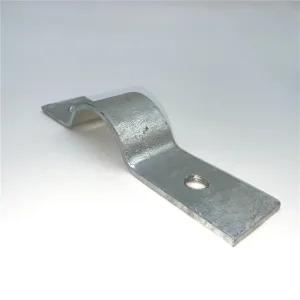
Buy China Suppliers Factory Heavy-Duty Stainless Steel PV Mounting Hoop
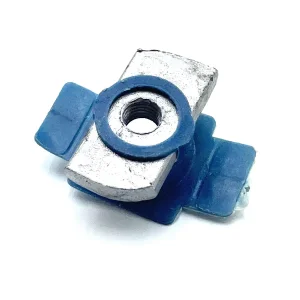
Buy Ergonomic Plastic Wing Nut Suppliers in China - Durable Tool-Free
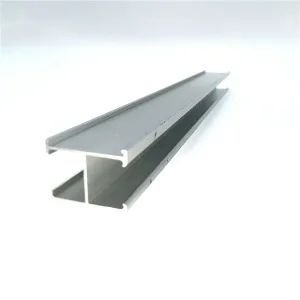
Buy Premium 3040 Aluminum Alloy Guide Rail for Solar Panels
Best Hex Socket Bolt Manufacturer, Manufacturers
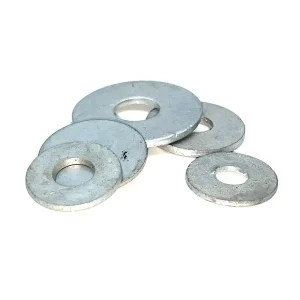
Best High-Quality Stainless Steel Flat Washer - China Suppliers & Factory
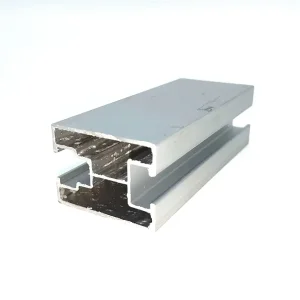
Buy High-Strength 3040 Reinforced Aluminum Guide Rail for Solar Mounting