
High-Performance PV Mounting Brackets & Clamps
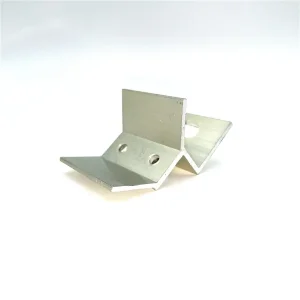
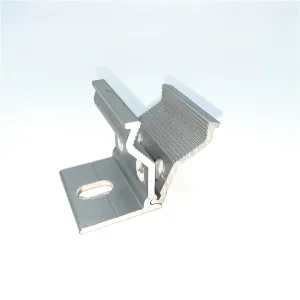
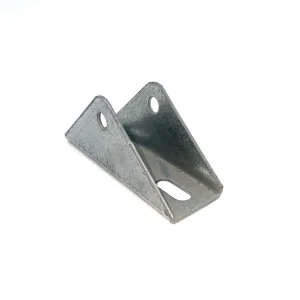
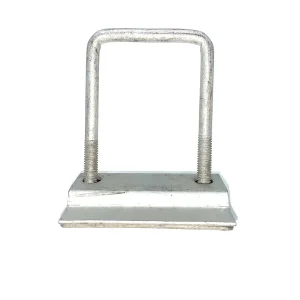
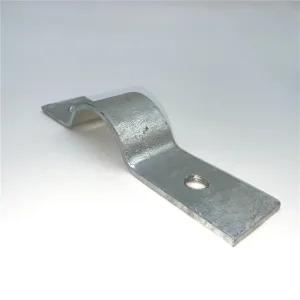
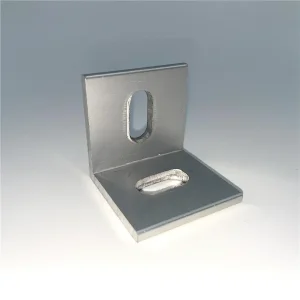
Engineered for seamless integration with lightning protection puncture clips and electrical bonding washers, ensuring structural stability and electrical path integrity.
The Global Imperative for Solar Lightning Protection Puncture Pieces
How microscopic puncturing mechanics eliminate the single most overlooked catastrophic failure vector across modern megawatt-scale photovoltaic infrastructure.
In modern renewable energy installations, photovoltaic (PV) arrays span vast, exposed geographic regions—from expansive high-radiation desert basins to corrosive offshore and coastal regions. These environments experience frequent atmospheric electrical discharges, induced surge overvoltages, and localized ground potential rises. A Lightning Protection Puncture Piece (also recognized globally as a solar grounding clip, bonding tooth washer, or PV earth puncture shim) serves as the primary fail-safe mechanism ensuring electrical continuity throughout the entire racking framework.
The engineering challenge lies in the nature of photovoltaic structural materials. Photovoltaic module frames and mounting rails are universally manufactured from extruded aluminum alloys (predominantly 6005-T5 or 6063-T6), protected by an anodized oxide film measuring 10 to 25 microns in thickness. While an anodized layer is imperative for outdoor atmospheric corrosion prevention, aluminum oxide (Al₂O₃) is an exceptional electrical insulator with a dielectric breakdown strength exceeding thousands of volts per millimeter. Without an engineered puncture component, an assembled solar array remains electrically segregated into thousands of isolated floating metallic conductors, rendering grounding systems useless during a direct or indirect lightning event.
Handan Youlong Fastener Co., Ltd., based in China's Fastener Capital (Yongnian District, Handan), designs and manufactures high-elasticity stainless steel (SUS301/SUS304) lightning protection puncture pieces equipped with multi-directional conical piercing teeth. Upon tightening mid-clamps, end-clamps, or roof mounting fixtures to standard torque specifications (typically 8–15 N·m), the puncture points forcefully rupture the non-conductive anodization layer, embedding directly into the conductive aluminum matrix. This delivers an airtight, gas-tight equipotential contact junction with interface resistance certified below 0.05 Ohms, fully compliant with global IEC 61730-2, IEC 62561-1, and UL 467/2703 standards.
Gas-Tight Penetration Geometry
Conically profiled micro-teeth concentrated along high-stress pressure arcs achieve complete oxide penetration under moderate clamping torque without compromising structural frame wall integrity.
- SUS301 Full-Hard
- Zero Oxide Residual
- Anti-Micro-Arcing
Galvanic Corrosion Isolation
Carefully formulated alloy chemistries and passivation regimens prevent galvanic cell corrosion between stainless steel contact teeth and the aluminum substrate in severe saline or chemical C4/C5 environments.
- ISO 9223 C5 Compatible
- Passivated Surface
- Zero Pitting Cell
High Impulse Current Capacity
Engineered to handle lightning impulse discharge waveforms (10/350 µs and 8/20 µs) without thermal ablation, local fusion, or structural separation, ensuring long-term grounding continuity.
- Up to 100kA Impulse
- Thermal Fatigue Immune
- Low Impedance Loop
Why China Factory Efficiency Dominates Global Supply Chains
Direct from Yongnian, Handan: The ultimate convergence of raw material accessibility, automated high-speed stamping, and end-to-end metallurgical quality control.
The Fastener Capital Cluster Effect
Yongnian District in Handan produces over 55% of China's fastener and hardware output. Our manufacturing compound sits right beside cold-rolling mills and specialty stainless slit-coil processors, minimizing internal freight costs and ensuring raw material traceability.
- Continuous Raw Stock
- Instant Supply Buffer
- Zero Logistics Lag
High-Speed Progressive Stamping Dies
Our proprietary multi-stage continuous stamping presses operate at up to 350 strokes per minute, integrating piercing, embossing, folding, and de-burring into a single continuous cycle. This ensures tooth sharpness consistency within ±0.02 mm across batches of millions.
- High Yield Velocity
- Micro-Tolerance Control
- In-Die Sensor Vision
In-House Testing & Verification Lab
Every production batch undergoes salt spray corrosion chamber testing (ASTM B117), hardness indentation checking, clamp torque retention tests, and micro-ohm resistance evaluation before export packaging, eliminating delivery risks for overseas procurement heads.
- Salt Spray >1000h
- Micro-Ohm Tested
- Tensile & Torque QC
Localized Engineering Applications & Global Industry Trends
Adapting puncture and bonding hardware across residential standing seam roofs, utility ground plants, and floating solar farms.
C&I Metal Rooftops (No-Drill Systems)
Installed directly under standing seam clamps (Klilok, trapezoidal, standing seam 760/820). The puncture piece pierces the bottom of the clamp and module frame simultaneously, eliminating the need to run costly standalone copper grounding conductors between panels.
- Zero Penetration Risk
- 85% Copper Labor Savings
- Fire Code Compliant
Utility-Scale Ground Trackers
Modern single-axis trackers experience constant angular movement, harmonic vibration, and wind buffeting. Our puncture pieces incorporate spring-tensioned bowed profiles that maintain constant contact force against bearing joints throughout thermal contraction cycles.
- Dynamic Vibration Proof
- Tracker Axis Grounding
- High Clamping Retention
High Humidity & Floating PV (FPV)
Floating installations on reservoirs, water treatment facilities, and coastal lagoons face relentless condensation and salt fog. We supply A4 (SUS316) puncture pieces passivated via specialized electro-polishing to resist extreme chloride stress-corrosion cracking.
- SUS316 Marine Grade
- Condensation Proof
- Long-Term Immersion QC
| Feature Parameter | Conventional Grounding Lug / Wire Method | Youlong Lightning Protection Puncture Piece | Engineering Benefit |
|---|---|---|---|
| Installation Time per Module | 120 – 180 seconds (cutting, stripping, torquing wire) | 8 – 15 seconds (pre-inserted beneath mid-clamp) | Up to 88% reduction in on-site mechanical installation labor |
| Balance of System (BOS) Cost | High (requires vast continuous bare copper conductor) | Ultra-Low (replaces copper via structural rail grounding) | Substantial savings on expensive copper cable procurement |
| Contact Resistance | Prone to surface corrosion and variable manual torque | Consistently <0.05 Ω through anodize film puncture | Superior lightning impulse current dispersion capability |
| Thermal Expansion Resilience | Screws frequently loosen due to wire drag & wind flutter | Spring-loaded arch design absorbs cyclic expansion | Eliminates 25-year lifecycle maintenance and retightening |
| Corrosion Resistance Class | Bi-metallic corrosion between copper wire & aluminum frame | Passivated stainless steel matched to aluminum potentials | Prevents galvanic degradation and module frame edge pitting |
What Tier-1 EPCs and Global Importers Seek in a Factory Partner
Global procurement teams cannot afford field failures or port delays. Here are the core metrics that define our manufacturing partnerships across Europe, the Americas, Australia, and the Middle East.
Mill Test Reports & Traceability
Full spectroscopic chemical analysis certificates provided with every batch, verifying true nickel, chromium, and carbon percentages in line with AISI 301/304/316 standards.
Drawing-to-Tooling Speed
Need a customized puncture profile to lock into a proprietary extrusion slot or tracker purlin? Our tooling engineers manufacture custom precision stamping dies in just 7 to 10 days.
Automated De-burring
Vibratory barrel tumbling and chemical polishing remove all secondary stamped burrs, ensuring safe handling for installation crews and preventing scratches on anodized surfaces.
High-Capacity Export Packaging
Supplied in bulk anti-static polybags or automated tape-and-reel options ready for automated pre-assembly with solar mid-clamps, wrapped in heavy-duty moisture-resistant sea cartons.
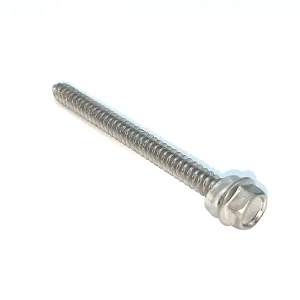
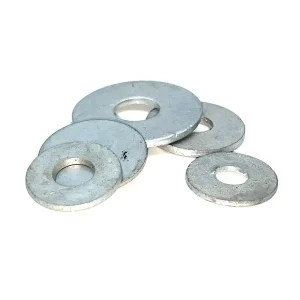
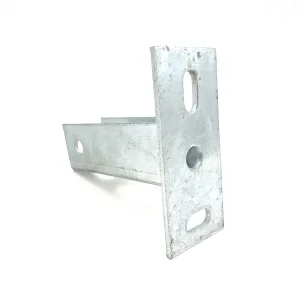
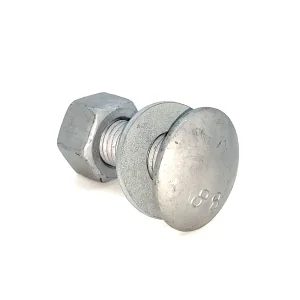
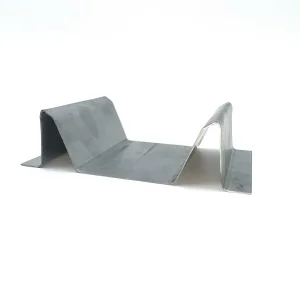
Structural PV Fasteners, Rails & Specialized Hardware
Complementary mounting solutions engineered to work together with electrical grounding puncture pieces for robust field performance.
Frequently Asked Questions: Lightning Protection Puncture Pieces
Authoritative technical guidance for electrical engineers, EPC contractors, and global solar distribution buyers.