
Engineered Solar Structural Profiles for Serbian Terrains
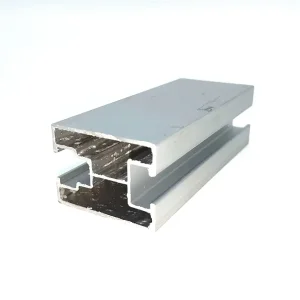
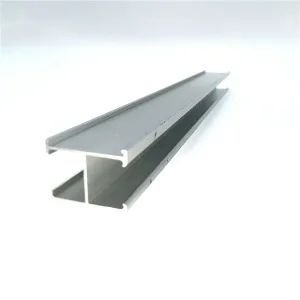
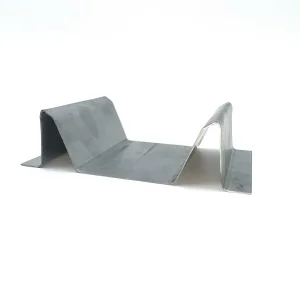
Precision extruded structural components and water channels optimized for Vojvodina's flatland arrays and the complex hilly terrains of Sumadija.
Renewable Transformation & PV Mounting Mechanics in Serbia
Strategic analysis of Serbia's National Energy and Climate Plan (NECP), regulatory auctions, and the critical structural engineering adaptations required for long-term project bankability.
The Republic of Serbia represents one of the most dynamically expanding solar markets in Southeastern Europe. Driven by structural reforms in the national power utility (Elektroprivreda Srbije - EPS), the Law on the Use of Renewable Energy Sources, and the implementation of multi-hundred-megawatt Contract-for-Difference (CfD) auctions, utility-scale developers and commercial and industrial (C&I) enterprises are scaling PV assets at an unprecedented pace. However, the geological and meteorological realities of Serbia impose rigorous challenges on mechanical mounting structures.
In Northern Serbia (the Pannonian Basin and Vojvodina), ground-mounted installations encounter deep, soft agricultural soils (Chernozem) that possess high moisture retention and significant frost heave potential during harsh Balkan winters. Mount design requires specialized rammed steel C/U posts or high-displacement helical screw ground anchors with thick galvanization to resist soil corrosion and lateral shear. In contrast, Central and Southern Serbia present rocky limestone substrata, karstic hills, and seismically active zones demanding pre-drilled rock anchor brackets and flexible two-portrait (2P) aluminum substructures to accommodate uneven grade variances without extensive earthmoving.
Kosava Wind Mitigation
Serbia's eastern and central valleys frequently experience the "Kosava"—a severe southeastern katabatic wind system generating gust velocities up to 140-160 km/h. Mounting profiles must feature enhanced moment-of-inertia cross-sections and dual-clamp lock washers to eliminate torsional flutter, micro-cracking, and clamp slippage.
Heavy Balkan Snow Loading
According to SRPS EN 1991-1-3 (Eurocode 1 for Snow Loads in Serbia), localized mountain zones and inland valleys require structural support for snow loads up to 1.5 - 2.0 kN/m². Our AL6005-T6 guide rails provide superior section modulus performance to prevent permanent beam deflection during freeze-thaw cycles.
Industrial Corrosion Class C4
Serbia's legacy heavy industrial belts—such as Pancevo (petrochemicals), Smederevo (steel manufacture), and Bor (copper mining)—exhibit elevated atmospheric sulfur and ammonia levels. Standard anodizing fails prematurely; our hardware utilizes 15-20µm anodization combined with Zn-Al-Mg (Magnelis-equivalent) coatings.
Eurocode Compliant Material Specifications
Direct technical benchmarking of our photovoltaic structural assemblies against Serbian Institute for Standardization (ISS) requirements.
| Structural Sub-Component | Material Standard | Surface Treatment / Coating | Yield Strength (ReH / Rp0.2) | Serbian Environmental Suitability |
|---|---|---|---|---|
| Extruded Rail Channels | AL6005-T6 / AL6082-T6 | Clear Anodized > 15µm (ISO 7599) | ≥ 240 - 260 MPa | High resistance to humidity and seasonal temperature shifts (-25°C to +45°C). |
| Ground Piles & Purlins | S355JR / Q355B Carbon Steel | Hot-Dip Galvanized ≥ 85µm (ISO 1461) | ≥ 355 MPa | Engineered for direct-rammed soil conditions in Vojvodina fertile terrain. |
| End & Mid Clamp Sets | AL6063-T5 + EPDM Pads | Anodized > 12µm + UV Resistant | ≥ 180 MPa | Integrated grounding pins (SUS304) for lightning dissipation compliant with EPS grid codes. |
| Bolting & Fasteners | Stainless Steel A2-70 / A4-80 | Passivated / Dacromet Coated | ≥ 700 - 800 MPa | Zero galling, high shear resistance under extreme Kosava cyclical gust vortexes. |
For Serbian engineering procurement teams, mitigating galvanic corrosion is essential. When aluminum mounting rails are secured to hot-dip galvanized or rolled carbon steel brackets, direct interfacial electron transfer causes sacrificial oxidation of the aluminum. Youlong supplies precision die-cut UV-stabilized polyamide or EPDM isolation washers alongside every connection node, fulfilling strict bankability audits required by European lenders such as the EBRD and KfW active in the Western Balkans.
Why Serbian EPCs Source Directly from Handan, China
Combining Yongnian's raw metal clustering with vertically integrated manufacturing to eliminate distributor markups and guarantee batch consistency.
Agglomeration Cost Efficiency
Situated in Yongnian, Handan City—the epicentre of China's structural fastener and steel processing industry—Youlong maintains direct access to base smelting, high-speed automated extrusion, hot-forging, and zinc bath processing within a 15-kilometer radius. This proximity slashes domestic logistical lead-times and raw material surcharges.
Fully Documented Quality Assurance
Every consignment dispatched to the Port of Rijeka or Port of Piraeus (for onward intermodal rail freight to Belgrade) is accompanied by 3.1 Mill Test Certificates (EN 10204), 1,000-hour neutral salt spray test (ASTM B117) validation, and tensile shear test certifications to guarantee swift customs and EPS electrical inspections.
Flexible OEM Engineering
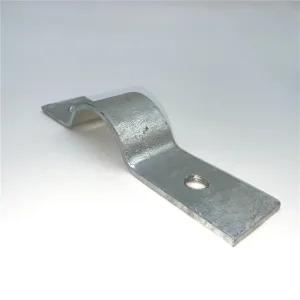
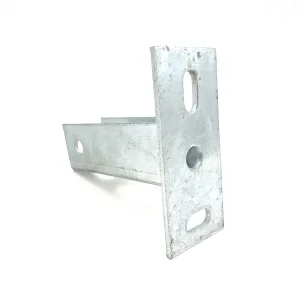
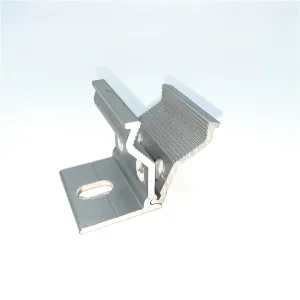
Whether you require customized purlin connection brackets with slotted tolerances for rapid field alignment or specialized waterproof trapezoidal roof clamps for commercial metal roofs, our in-house tooling workshops produce bespoke dies in under 12 days, reducing project critical-path lead time significantly.
Mounting Archetypes for Serbian Energy Projects
Targeted structural topologies developed for commercial prosumers, utility farms, and agricultural integration.
Industrial Rooftop Retrofits (Prosumers)
Serbia's "kupac-proizvodac" (prosumer) regulatory framework allows manufacturing plants in industrial zones like Kragujevac, Nis, and Novi Sad to offset power tariffs. Our lightweight aluminum standing-seam clamp solutions attach directly to sandwich panels without roof penetration, preventing water ingress and keeping building insurance intact.
Utility-Scale Ground Mounts in Vojvodina
For megawatt-scale solar parks deployed across the flat agricultural expanses of Subotica, Zrenjanin, and Pancevo, our dual-post galvanized racking structures offer pitch adjustments from 20° to 35°. Optimized ground clearances allow vegetation management and resist localized snow drifting.
Hilly Terrain & Agrivoltaic Systems
In Southern Serbia's orchard regions (Cacak, Toplica), high-clearance agrivoltaic systems protect crops from extreme hailstorms while harvesting solar energy. Our integrated M-type water channels collect and steer rainfall runoff, protecting sensitive fruit varieties while powering agricultural cold storage facilities.
Frequently Asked Questions for Serbian PV Projects
Essential information regarding European compliance, customs tariffs, logistics, and mechanical performance.
Do your PV mounting systems comply with Serbian SRPS and Eurocode standards?
Yes. All structural systems are calculated in strict alignment with SRPS EN 1991-1-4 (Wind actions) and SRPS EN 1991-1-3 (Snow actions), providing structural calculation reports for municipal building permits and EPS grid connection audits across Serbia.
How are goods shipped from Handan, China to Serbian project locations?
Shipments are packaged in sea-worthy reinforced steel crates and shipped via Tianjin Port to Piraeus (Greece) or Rijeka (Croatia), followed by intermodal block-train or direct road transport into bonded customs terminals in Belgrade, Novi Sad, or Nis. Typical transit duration is 28 to 35 days.
Can Youlong supply customized clamp designs for bifacial glass-glass modules?
Yes. Bifacial solar modules require specialized clamps with broader surface areas and vulcanized EPDM rubber profiles to distribute mechanical clamping force evenly without casting shadow lines on the active rear silicon cells, maximizing albedo gain.
What warranties and corrosion life expectancies apply to Serbian installations?
Our aluminum racking systems come with a standard 12-year manufacturer product warranty and a 25-year structural design life. In standard C2-C3 rural inland zones in Serbia, our hot-dip galvanized and anodized structural hardware maintains its structural integrity well beyond the 25-year feed-in lifespan.
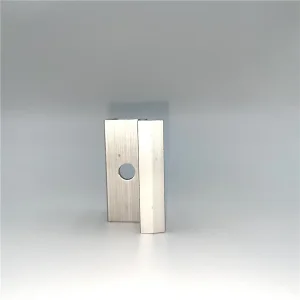
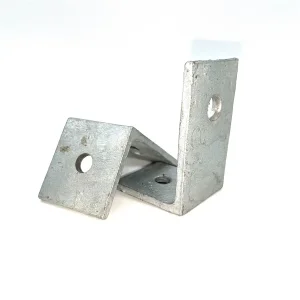
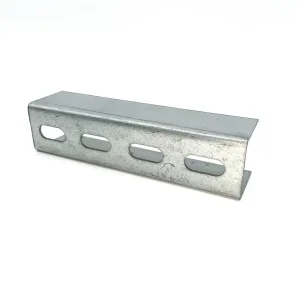
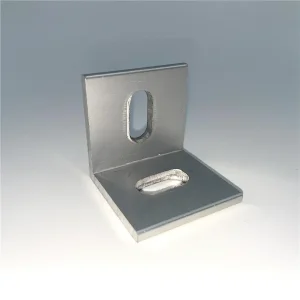
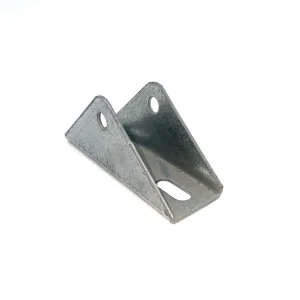
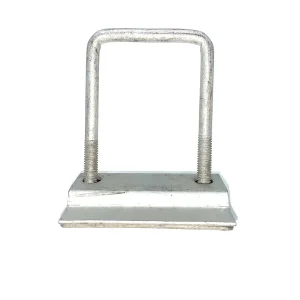
Engineered Clamps, Base Plates & Splice Connectors
Precision fasteners and connection brackets engineered to accelerate site construction, guarantee electrical bonding, and maintain structural integrity under high Balkan wind loads.
Need Engineering Sizing or a Serbian Tender Quotation?
Our senior mechanical engineers will generate wind/snow structural analysis calculations, static deflection verification, and comprehensive Bill of Materials (BOM) quotations within 24 hours.