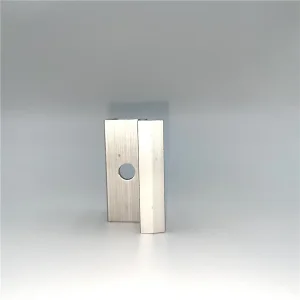
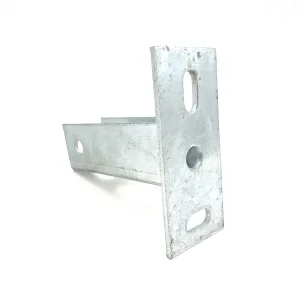
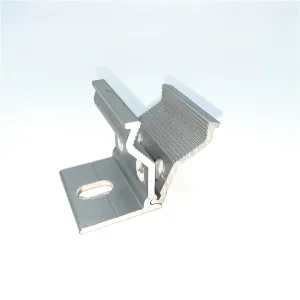
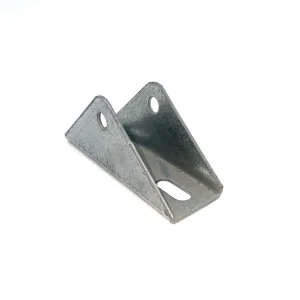
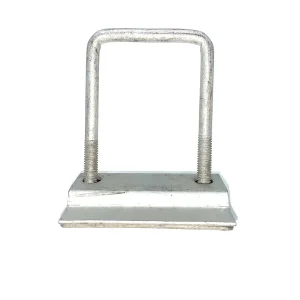
Specialized Mounting Profiles & Primary Rails for Kuwait Operations
High-strength anodized aluminum extrusion rails and heavy-duty water drainage conduits engineered to support mega-scale solar initiatives across the GCC region.
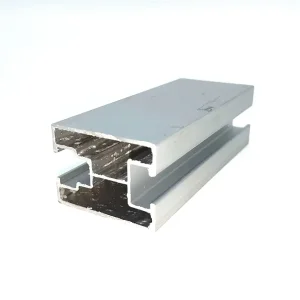
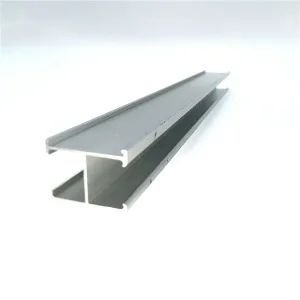
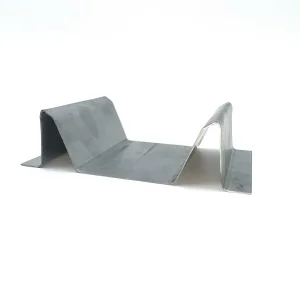
Kuwait’s Solar Transition: Strategic Targets & Environmental Challenges
Navigating Kuwait Vision 2035 and the Shagaya Renewable Energy Park mandates through precision-engineered photovoltaic mounting infrastructure.
Macro Market Status: Kuwait & Middle East
Kuwait's national energy framework, underpinned by directives from the Ministry of Electricity & Water & Renewable Energy (MEW), is accelerating the adoption of utility-scale and commercial distributed solar generation. Driven by domestic demand containment and the release of high-value crude exports, the state has prioritized the expansion of the Shagaya Renewable Energy complex.
However, the regional climatic envelope presents severe mechanical engineering hurdles. Kuwaiti installations experience prolonged periods of extreme ambient heat exceeding 50°C, direct ultraviolet irradiation that embrittles lower-tier polymer components, and high atmospheric dust loading containing abrasive silica particles.
- Thermal Cycling Amplitude: Substantial diurnal temperature deltas induce cyclic thermal expansion and structural contraction stresses on long rail segments.
- Sand Abrasion & Soil Loading: High-velocity Shamal winds transport sand particles that erode standard surface coatings and cause differential particulate settling.
- Corrosive Airborne Chlorides: Proximity to the Arabian Gulf creates high-salinity marine aerosol environments, particularly affecting industrial and coastal rooftop installations.
Global Supply Chain Standards & Localization
Modern utility-scale solar asset managers are transitioning away from generic, one-size-fits-all structural mountings. The global industry demands structural engineering validated against ASCE 7-16, Eurocode 9 (structural aluminum design), and local building codes for high-velocity wind loads.
Our manufacturing protocols directly address Middle Eastern project specifications by pairing automated Chinese high-capacity production lines with precise metallurgical specifications. From Yongnian, China’s fastener and structural hardware center, we supply complete, pre-engineered mounting hardware kits directly to main EPC contractors and developers operating in Kuwait.
- Metallurgical Precision: Extruded structural profiles utilize certified AL6005-T5 / AL6005-T6 aluminum alloys for optimal strength-to-weight ratios.
- Advanced Surface Treatments: Anodization layer depths calibrated to ≥15μm (with optional 20-25μm for marine boundaries) conform to ISO 7599 standards.
- Corrosion Mitigation: High-grade 304 and marine-grade 316 stainless steel fasteners ensure galvanic compatibility through isolating washers and specialized coatings.
Tailored PV Structural Solutions for Kuwait Sites
Engineered configurations addressing diverse structural foundations, roofing systems, and mechanical stress parameters across commercial and industrial infrastructure.
Desert Utility Ground-Mount (Shagaya Type)
Configured for vast desert flatlands requiring driven-pile or cast-in-place concrete ballast foundations. Designed with aerodynamic pitch geometry to minimize wind uplift during shamal storms and allow rapid automated dry-cleaning robot clearance.
Industrial Metal Rooftop (Trapezoidal / Standing Seam)
Non-penetrating clamp solutions for standing seam roofs and leak-proof bracket anchors for insulated sandwich panels used across Shuwaikh, Subhan, and Mina Abdulla industrial warehouses, protecting structural building integrity.
Waterproof Solar Carport Systems
Integrated parking canopy structures utilizing heavy-duty M-type drainage channels. Provides vehicle thermal shielding from intense Kuwait sun exposure while maximizing clean power generation for municipal and corporate headquarters.
Concrete Ballasted Flat Roof Racking
Aerodynamically baffled, penetration-free aluminum structures designed for commercial and institutional flat concrete roofs. Prevents membrane puncturing and utilizes high-density ballast configurations to meet Kuwait building wind codes.
Oil & Gas / Petrochemical Infrastructure
Explosion-rated and high-specification brackets for KNPC/KOC upstream and downstream installations. Features marine-grade 316 stainless hardware resistant to sulfurous emissions, chemical fumes, and high salinity.
Agricultural & Remote Off-Grid Mounts
Modular, fast-assembly ground structures tailored for localized water desalination, livestock shelters, and remote desert farms across Wafra and Abdali requiring durable foundations with zero heavy-crane requirements.
Precision Manufacturing & Local Verification Protocols
From raw billet casting to automated stamping, our internal manufacturing cycle ensures long-term operational integrity under harsh environmental conditions.
Comprehensive Quality Control Systems
Every shipment bound for Kuwait ports (Shuwaikh / Shuaiba) undergoes strict quality checkpoints inside our ISO 9001-certified manufacturing hub in Yongnian:
- Salt Spray Environmental Testing: Fasteners and profile samples are subjected to ASTM B117 salt spray chambers for up to 1,000+ hours to verify anti-corrosion resilience.
- Tensile & Shear Load Verification: Universal tensile testing machines test mechanical breaking load capacities on clamps, angle brackets, and anchor bolts to exceed structural engineering design requirements.
- Film Thickness & Hardness Checks: Eddy-current coating thickness gauges monitor anodization film depth (≥15μm) and Webster hardness values (≥12 HW) across all extruded rails.
- Spectrographic Metallurgical Analysis: Direct-reading spectrometers verify alloy compositions before extrusion, guaranteeing precise chemical proportions of Mg and Si in our AL6005 batches.
Technical Roadmap for Middle Eastern Environments
To support high-efficiency bifacial module deployment and intelligent balance-of-system architectures across Kuwait, our engineering pipeline integrates continuous structural innovations:
- Bifacial Self-Shading Minimization: Optimized low-profile underside rail geometries maximize albedo rear-side irradiance yield by eliminating module back-shading.
- Robotic Cleaning Compatibility: Structural joints and rail spans engineered with uniform flush top-surfaces to allow seamless transit of automated waterless solar cleaning units.
- High-Durability Zinc-Aluminum-Magnesium (ZAM) Steels: Introducing next-generation ZAM coated hot-rolled steels as an alternative to conventional hot-dip galvanizing, offering superior self-healing edge corrosion resistance in saline desert zones.
- Pre-Assembled Hardware Formats: Components delivered with factory pre-installed clamp modules, reducing field labor overhead in high-temperature desert environments.
Frequently Asked Questions: Technical & Procurement
Clear answers for EPC project managers, procurement directors, and solar developers operating in Kuwait and the wider Gulf region.
How do your PV mounting systems withstand Kuwait's 50°C+ ambient temperatures and intense UV levels?
What design measures prevent galvanic corrosion between aluminum rails and steel fasteners?
Can your mounting rails be designed to accommodate automated waterless solar cleaning robots?
What documentation and third-party certifications are supplied for Kuwait MEW project approvals?
What are the lead times and sea freight logistical arrangements to Kuwait ports?
Precision Clamps, Base Plates & Structural Connectors
Heavy-duty hardware engineered to complete the structural load path from structural foundations to module clamps across high-wind Kuwait commercial sites.