
High-Efficiency Structural Rails & Drainage Solutions for Germany Projects
Engineered to withstand heavy snow loads in Bavaria and dynamic wind pressures across northern coastal wind zones.
Germany Photovoltaic Market: Structural Demands & Regulatory Shifts
Aligning Chinese precision manufacturing with the strict engineering parameters of the Renewable Energy Sources Act (EEG 2023/Solarpaket I).
Commercial & Industrial (C&I) Rooftops
German commercial structures often mandate lightweight aerodynamic ballast systems without roof penetration. Roof loads are constrained under strict building statics (Tragwerksplanung). Extruded profiles must optimize cross-sectional moments of inertia to yield minimum deadweight per kilowatt peak (kWp).
Utility-Scale Ground Mounts (Freiflächenanlagen)
With accelerated tenders by the Federal Network Agency (Bundesnetzagentur), open-field mounting designs demand cold-formed high-strength steel posts with hot-dip galvanization (ISO 1461) or Zinc-Aluminum-Magnesium (ZAM) coatings rated for C4/C5 atmospheric soil environments.
Agri-PV & Waterproof Solar Carports
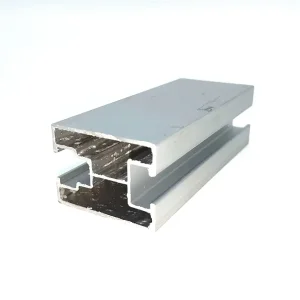
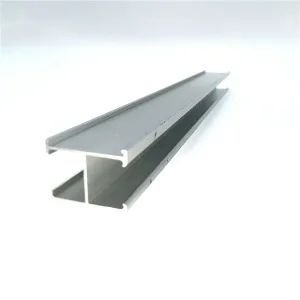
DIN SPEC 91434 standards regulate agricultural dual-use structures in Germany. Mounting solutions demand elevated clearance spans (over 2.5m to 4m) for machinery passage, coupled with advanced M-type drainage rails for commercial carport applications to satisfy building watertightness regulations.
Macro-Industry Challenges & Turnkey Structural Engineering Solutions
Bridging Chinese Tier-1 manufacturing scale with strict European structural safety codes.
Bespoke Static Analysis & TÜV Verification
General procurement fails when structural statics fail local building inspections (Baubehörde). Every custom guide rail, base plate, and splice plate supplied is engineered with certified static calculation sheets (Statikberechnung) according to Eurocode 9 (Aluminum EN 1999) and Eurocode 3 (Steel EN 1993), verifying resistance to dynamic wind uplift and critical snow accumulation.
Mitigating Galvanic Corrosion in Hybrid Assemblies
Mounting aluminum alloy (AL6005-T6) against structural carbon steel creates catastrophic contact corrosion in damp continental climates. We engineer fully isolated fastening sets incorporating specialized EPDM, POM, and Dacromet/Geomet barrier technologies along with marine-grade A2-70 / A4-80 stainless fasteners to safeguard 25-30 year service life.
Localized Support & Compliance for the German Market
Strict adhesion to national building directives and European harmonized quality baselines.
DIBt & CE Marking Alignment
Mounting systems utilized in Germany must strictly abide by CE markings in accordance with EN 1090-1 (Execution of steel and aluminum structures) and EN 1090-2/3. Fasteners follow ETA (European Technical Assessment) guidelines, assuring seamless sign-off by structural test engineers (Prüfingenieure).
Pre-Assembled Packaging (Baustellengerechte Lieferung)
Labor costs in Germany represent a significant fraction of BOS (Balance of System) expenditure. We supply modular pre-assembled clamps, tilt-legs, and purlin connectors labeled per array zone, cutting on-site installation time by up to 35% across commercial and utility jobs.
Sustainable Procurement & CBAM Readied
In accordance with EU CSRD directives and the Carbon Border Adjustment Mechanism (CBAM), our production pipelines track embedded emissions. We provide documented environmental disclosures to assist German corporate off-takers in achieving ESG milestones.
Technical Roadmap: Next-Gen Racking & Fastening Dynamics
Preparing the European renewable market for evolving solar panel formats and environmental constraints.
Adapting to Ultra-Large Format Modules (210mm / G12)
With module surfaces exceeding 3.1 m², micro-cracking caused by torsional flutter under wind shear is a dominant failure vector. Our engineering roadmap introduces multi-contact clamping channels and augmented rail wall thicknesses that dissipate pressure concentrations across German wind zone 3 and 4 regions.
Smart Fastening & Integrated Grounding Continuity
Modern EPC standards require integral earthing systems without the need for independent copper cabling run to every clamp. Our integrated grounding pins pierce module anodization layers instantly during bolt torquing, fulfilling DIN EN 62305 lightning protection standards natively.
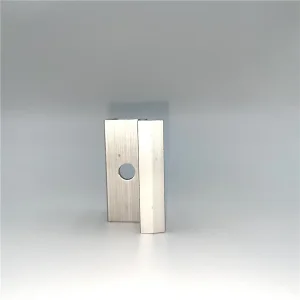
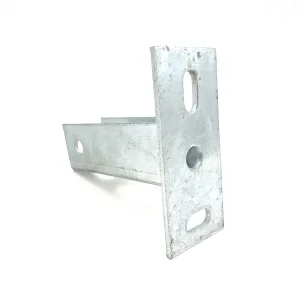
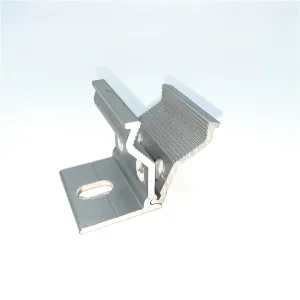
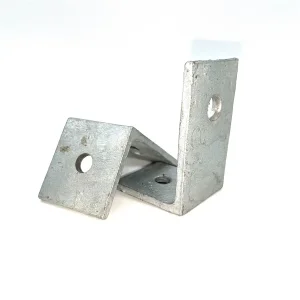
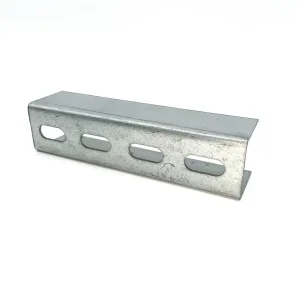
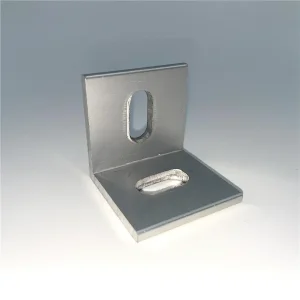
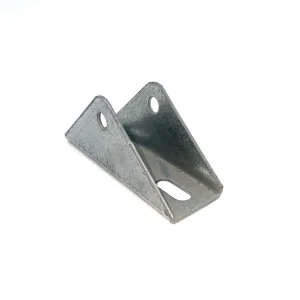
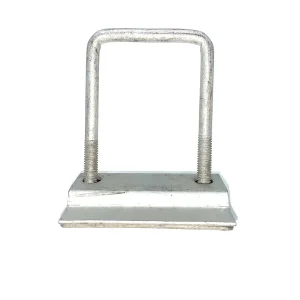
Precision Structural Mounts, Clamps & Structural Connectors
Full load-path components manufactured in Yongnian, Handan, tested for European solar EPC deployments.
Frequently Asked Questions: Sourcing Mounting Systems for Germany
Critical engineering considerations, building codes, and logistics solutions for overseas developers.
How do your PV mounting profiles comply with Eurocode 1 (DIN EN 1991-1-3 / 1-4) snow and wind loads?
What surface treatment standards are implemented to ensure a 25-year lifespan in European climates?
Can Youlong provide certified structural calculations (Statische Typenprüfung) for municipal permits in Germany?
How do you prevent bimetallic corrosion when combining stainless hardware with aluminum rails?
What is your production capacity and lead time for shipments to Hamburg, Bremerhaven, or Rotterdam?
Connect with Our Engineering & Export Team
Send us your project site data, layout DWG files, or structural specifications. Our engineers will return a complete bill of materials (BOM), structural profile recommendations, and factory-direct quotation within 24 hours.
Send Inquiry Now