
Engineered For Tropical Solar Arrays
Core Solar PV Mounting Systems for Costa Rica Installations
Tested under simulated ASTM B117 salt spray chambers and structural finite element analysis (FEA), these premium mounting systems guarantee aerodynamic resilience and galvanic isolation for Central American utility and commercial projects.
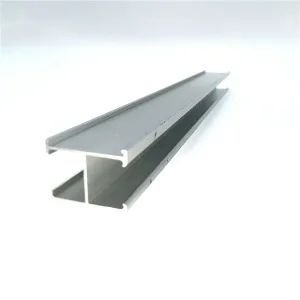
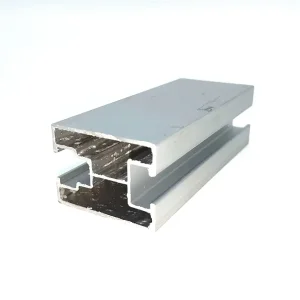
Heavy-Duty PV 3040 Aluminum Alloy Guide Rail for Costa Rica Projects
View Specification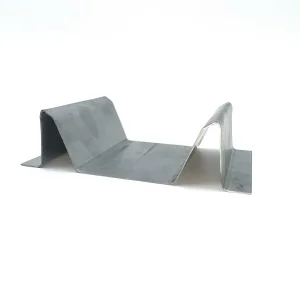
Tropical Solar PV M-Type Aluminum Water Channel Drainage Solution
View Specification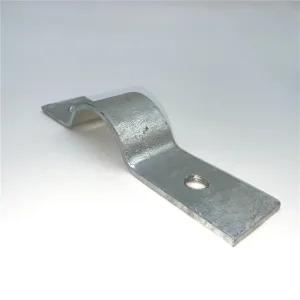
Grade 304/316 Solar PV Mounting Stainless Steel Hoop Assembly
View Specification
Renewable Market Dynamics
Costa Rica’s Solar Energy Landscape: Macro Trends & Environmental Challenges
Costa Rica remains an international benchmark for renewable electricity generation, regularly exceeding 98% clean power via hydro, geothermal, and wind. However, climate change-induced hydrological volatility has driven MINAE (Ministerio de Ambiente y Energía) and ICE (Instituto Costarricense de Electricidad) to prioritize solar photovoltaic integration to stabilize seasonal base loads.
Severe Tropical Humidity & Microclimates
Costa Rica alternates between prolonged rainfall seasons and extreme dry solar irradiation. Constant relative humidity above 80% accelerates micro-galvanic degradation between steel structures and aluminum modules. Anodization layer depths (≥ 15μm) and isolation buffers are mandatory to avoid structural decay over a 25-year lifecycle.
Seismic Vulnerability & Dynamic Loads
Positioned on the convergent boundary of the Cocos and Caribbean tectonic plates, Costa Rica enforces strict structural seismic building codes (Código Sísmico de Costa Rica). Ground-mount structures and ballast rooftop systems must incorporate high ductility ratings, slotted expansion splices, and high-tensile connection brackets.
High Salinity in Guanacaste & Puntarenas
Coastal and near-coastal agricultural zones feature high aerosol chloride concentrations (ISO 9223 C4/C5 marine environments). Specifying SUS304 or marine-grade SUS316 fasteners combined with AL6005-T5 rail profiles prevents structural stress corrosion cracking commonly seen in substandard imports.
300,000+
Metric Tons Shipped
C5-M
Marine Corrosion Rating
0.2g - 0.4g
Seismic Peak Accel. Tested
25 Years
Structural Design Life
Structural Engineering Roadmap
Tailored PV Racking Solutions for Costa Rican Applications
From distributed rooftop systems on San José industrial logistics centers to agro-photovoltaic plantations in Alajuela and coastal resorts along the Pacific rim, our engineered solutions match diverse geotechnical parameters.
| Application Scenario | Structural Profile Selected | Surface Treatment / Metallurgy | Environmental Protection Focus | Compliance Standards |
|---|---|---|---|---|
| Commercial Standing Seam Corrugated Roofs | Clamp-Lock Aluminum Rails + L-Feet Brackets | Anodized AL6005-T5 (15μm) + EPDM Gaskets | Zero Roof Penetration, Anti-Capillary Ingress | ASCE 7-16, CSCR-2010 |
| Pacific Coast Ground Mount & Carports | M-Type Water Channels + Reinforced PV 3040 Profiles | AL6005-T5 Anodized + SUS316 Fasteners | Resistant to Salt Fog (ASTM B117 > 1500h) | ISO 9223 C5 Corrosion Class |
| Volcanic Highland Agro-PV (High Wind Zones) | Heavy-Duty Double-Hole Ground Struts | Hot-Dip Galvanized Q235B / High-Strength Alloy | Wind Resistance up to 160 km/h, Fatigue Proof | UL 2703, TÜV Rheinland |
| Industrial Concrete Slab Rooftops | Ballasted Aerodynamic Mounting Brackets | Electrostatic Coating / Anti-Sulfur Aluminum | Vibration Isolation, High Thermal Cycling Stability | IBC 2018, NEC 690 Grounding |
Supply Chain Resilience
China Factory 4.0: Handan Fastener Capital Direct To Puerto Limón & Caldera
Located in Yongnian District, Handan—the epicenter of China's structural metal fabrication—our smart manufacturing facility leverages upstream raw material integration, automated cold forging, continuous extrusion lines, and automated robotic stamping to guarantee cost-efficient procurement without quality compromise.
Full Value-Chain Vertical Integration
By controlling raw ingot extrusion, multi-axis CNC drilling, automated passivation, and packaging under one roof, we eliminate intermediate toll processing markups, passing 12–18% direct factory savings to international EPC contractors.
Digital Quality Assurance (Zero-Defect Tracking)
Every extrusion run undergoes automated optical dimension checks (tolerances within ±0.15mm), ultrasonic flaw inspection, and random destructive tensile testing, ensuring full batch traceability for bankable solar project audits.
Multimodal Logistics to Central America
Standardized packaging engineered for oceanic transit protects aluminum profiles from surface scuffing and moisture corrosion during the trans-Pacific journey to Puerto Limón (Atlantic) or Puerto Caldera (Pacific).
Procurement Compliance
Global Procurement Requirements & Costa Rica Standards
To ensure seamless customs clearance through Costa Rican Dirección General de Aduanas and swift permitting by CFIA (Colegio Federado de Ingenieros y de Arquitectos), our engineering team provides complete verification documentation.
Mill Test Certificates & Material Analysis
Every shipment is accompanied by EN 10204 3.1 Mill Test Reports confirming raw alloy composition, yield strength, tensile ratings, and anodized film thickness verified under spectroscopic analysis.
Electrical Bonding & Safety Compliance
Grounding lugs, mid clamps with integrated ground pins, and bonding jumpers comply with NEC Section 250 / 690 guidelines and UL 467/2703 fire resistance benchmarks for grid connection compliance.
OEM Fabrication & Pre-Assembled Units
To reduce expensive job-site labor hours in Costa Rica, mounting components can be delivered pre-assembled with captured stainless hardware, color-coded connectors, and pre-punched slotted rails.
Precision Hardware Catalog
Engineered Solar Mounting Accessories & Hardware Components
Complete load-path hardware manufactured to deliver extreme structural integrity across solar installations throughout Central America.
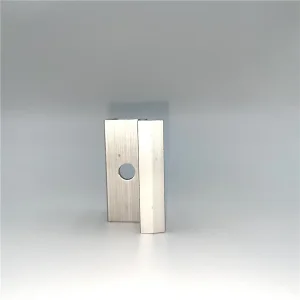
Costa Rica Universal Solar PV Panel Aluminum Side Clamp
View Specification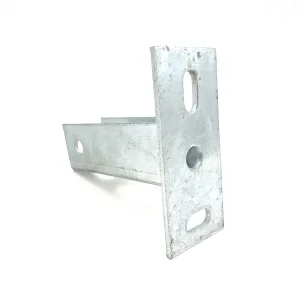
Heavy-Duty PV Mounting Aluminum Alloy Structural Base
View Specification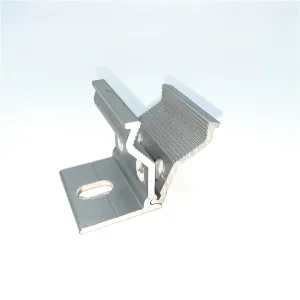
Non-Penetrative PV Clip Lock Aluminum Standing Seam Clip
View Specification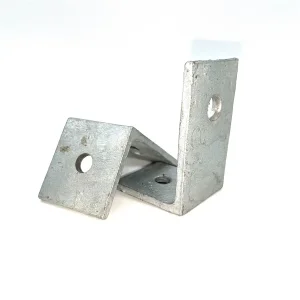
Solar PV Mounting Stainless Steel Heavy Angle Bracket
View Specification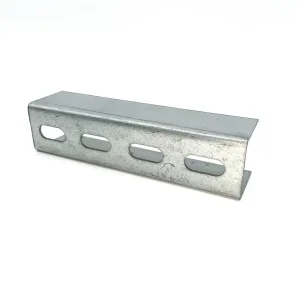
Solar PV Mounting Purlin Connector High-Load Fastener
View Specification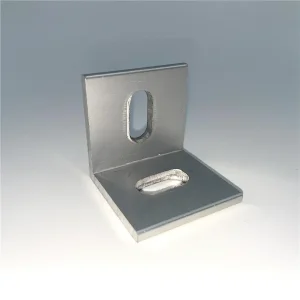
Multi-Tilt Solar PV Aluminum Alloy Angle Bracket
View Specification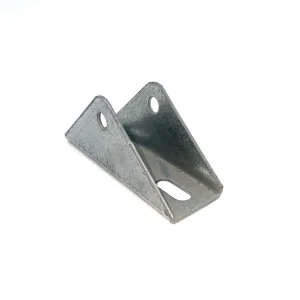
Solar PV Three-Hole Rail Splice & Mounting Connector
View Specification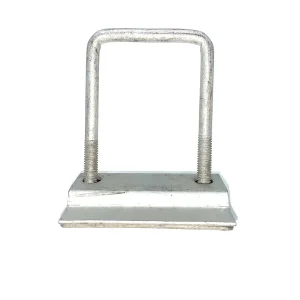
Solar PV Double-Hole High-Strength Pressure Plate
View Specification
Direct Expert Guidance
Frequently Asked Questions: Sourcing PV Racking for Costa Rica
Technical insights addressing climate resilience, customs clearance, structural durability, and custom fabrication.
How do your aluminum PV rails prevent galvanic corrosion in Costa Rica’s coastal microclimates?
We apply architectural grade anodization up to 15–20μm (Class 1) on our AL6005-T5 profiles, exceeding basic inland standards. Additionally, all connecting fasteners supplied are high-grade SUS304 or SUS316 stainless steel, complemented by anti-galvanic EPDM or nylon insulating washers to isolate dissimilar metals and prevent electrical potential differences that lead to galvanic oxidization.
Can your mounting systems withstand the seismic requirements of the Costa Rican Seismic Code (CSCR)?
Yes. Our engineering division conducts dynamic finite element analysis (FEA) calibrated to high peak ground acceleration parameters (0.2g to 0.4g). We incorporate slotted rail connectors, flexible joint purlins, and ductile foundation plates that allow energy dissipation during seismic activity without compromising module structural integrity.
What documentation is provided to support Costa Rican import customs and EPC certification?
We supply complete technical dossiers with each shipment, including Mill Test Certificates (EN 10204 3.1), Salt Spray Chamber Test Reports (ASTM B117), Anodizing Thickness Certifications, Certificate of Origin (for bilateral trade agreements), Commercial Invoices, and detailed Packing Lists optimized for quick tariff classification through Puerto Limón or Puerto Caldera.
Do you offer customized profile extrusions based on project architectural drawings?
Yes. As a direct factory based in Handan Fastener Capital, we operate an in-house tooling and die-making center. We can extrude, stamp, and CNC-machine customized profile dimensions, customized roof clamp footprints (e.g., specific standing seam sheet profiles), and pre-punched connector configurations according to your structural blueprints within 7–10 working days for prototyping.
What is the typical shipping lead time from your factory to Costa Rica?
Standard fabrication lead times range from 15 to 20 days depending on order tonnage. Sea freight transit from major Chinese sea ports (such as Tianjin or Qingdao) to Puerto Caldera or Puerto Limón typically takes 25 to 35 days, enabling predictable EPC project scheduling.
Ready to Engineer Your Costa Rica Solar Array with Factory-Direct Hardware?
Partner directly with Handan's premier PV mounting system manufacturer. Receive full engineering proposals, structural load calculations, and competitive FOB/CIF quotation within 24 hours.
Send Inquiry Now