
Core PV Mounting Extrusions & Structural Brackets for Bulgaria
Engineered to withstand Eurocode EN 1991-1-4 wind profiles and heavy snow loads in the Thracian Plain, Rhodope mountain borders, and Danubian plains.
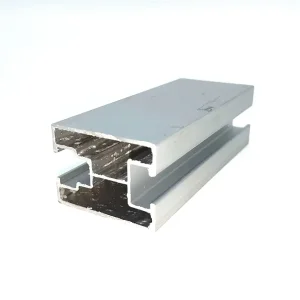
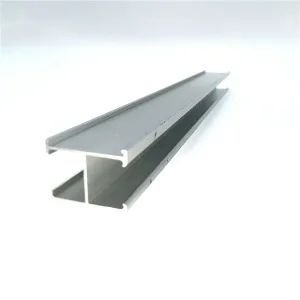
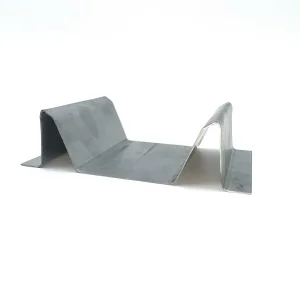
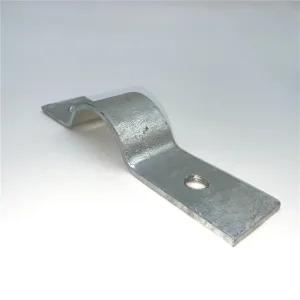
Bulgaria & Global Photovoltaic Structural Market Landscape
Strategic alignment between Balkan regional decarbonization goals, energy security mandates, and high-efficiency structural hardware engineering.
The Bulgarian Photovoltaic Surge: Grid Realities and Geotechnical Demands
The Republic of Bulgaria has emerged as one of Southeastern Europe’s most dynamic solar energy epicenters. Propelled by the European Green Deal, the National Recovery and Resilience Plan (NRRP), and the phased decommissioning of carbon-heavy lignite units within the Maritsa East energy complex, the Bulgarian transmission system operator (ESO EAD) has witnessed an unprecedented influx of utility-scale and distributed solar photovoltaic interconnections. From the fertile tracts of the Upper Thracian Plain to the industrial brownfield zones around Stara Zagora and Sliven, massive solar installations are deployed at accelerated paces.
However, developing solar infrastructure across Bulgaria presents severe structural hurdles. The nation exhibits significant micro-climatic and geological variance: southern valleys encounter peak surface solar irradiance exceeding 1,600 kWh/m² per annum, yet are subjected to severe summer thermal spikes causing cyclic expansion stresses on mounting structures. Concurrently, the Balkan Mountain (Stara Planina) corridor, the northern Danubian platform, and Dobrudja region experience acute continental winter cold snaps characterized by heavy wet snow loads exceeding 1.8 to 2.4 kN/m² under national annexes of EN 1991-1-3, accompanied by sustained seasonal gale winds channeling through river cuts.
Engineering Imperative: In the Bulgarian solar sector, structural failures are almost universally linked not to module glass delamination, but to torque failure in sub-grade purlin connectors, shear failure under torsional wind vibrations, and severe galvanic bimetallic degradation where stainless steel fasteners interact with aluminum extrusions without isolation.
Global Supply Dynamics: Precision Extrusion and Cold-Formed Steel Integration
On a global scale, the solar structural racking industry has transitioned away from generic, over-dimensioned structural steel towards high-yield engineered alloys. Raw material economics, combined with high-precision cold-forming and automated extrusion technologies, dictate project Levelized Cost of Electricity (LCOE). The contemporary Tier-1 engineering paradigm demands a synthesis of AL-6005-T6 structural aluminum profiles (for weight-sensitive industrial rooftops and tracking secondary purlins) and continuous hot-dip Zinc-Aluminum-Magnesium (ZAM) coated carbon steels for ground-mount foundations.
Direct supply partnerships between global manufacturing hubs such as Handan—internationally recognized as the "Fastener Capital"—and Bulgarian logistics entry gates (such as the Port of Varna, Port of Burgas, and inland transit hubs via Piraeus) have eliminated downstream brokerage overheads. This factory-integrated model enables developers in Sofia, Plovdiv, and Varna to specify precise tensile, shear, and micrographic tolerances directly into the manufacturing baseline, ensuring full chain traceability under EN 1090-1 and ISO 9001 standards.
Anti-Galvanic Isolation
Specialized EPDM-backed vulcanized washers and hard-anodized surface profiles (15μm+ minimum) mitigate electrolytic contact between stainless steel (A2/A4) and aluminum frames in wet continental microclimates.
T-Slot Precision Geometry
Patented 3040 rail T-slot dimensional tolerances held to ±0.15mm, guaranteeing rapid slide-and-lock nut engagement that reduces mechanical installation labour by up to 28% across multi-megawatt arrays.
Eurocode EN 1993 Verification
Comprehensive static calculations verifying structural safety under combined lateral wind suction and downhill snow drifts, complete with manufacturer metallurgical test certificates (MTC 3.1).
Localized Engineering Scenarios Across Bulgarian Installations
Targeted mounting architectures configured for unique regional geological, meteorological, and structural environments.
1. Black Sea Coastal Zone (Varna, Burgas, Balchik)
Environmental Hazard: Severe marine saline moisture corresponding to ISO 9223 C4/C5 atmospheric corrosivity, coupled with intense northeast offshore wind gusts.
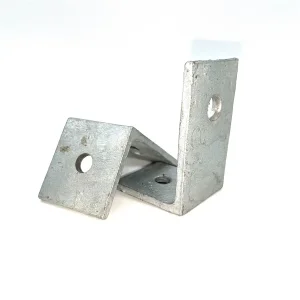
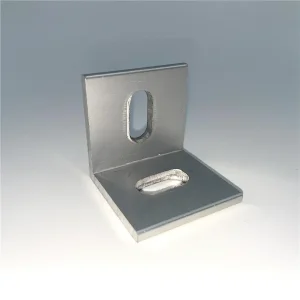
Structural Response: Austenitic A4-80 (AISI 316) stainless steel angle brackets, marine-grade anodized guide rails (≥20μm coating), and non-porous fluorocarbon-treated clamping bases that prevent chloride ion pitting.
2. Maritsa Coal Basin & Industrial Brownfield Sites
Environmental Hazard: High atmospheric sulfur dioxide (SO₂), reclaimed soil settling, heterogeneous landfill substrates, and localized subsidence risks.
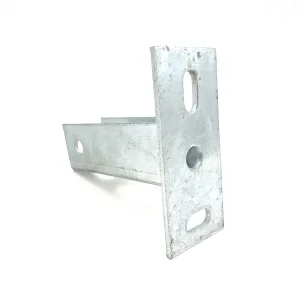
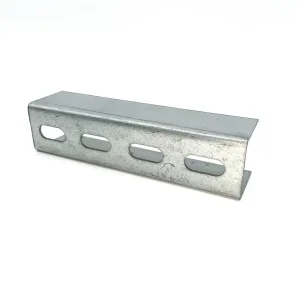
Structural Response: Heavy-duty three-hole splice connectors and purlin clamps allowing three-dimensional geometric adjustment (±25mm field tolerance) to absorb sub-grade ground settlement without transferring bending moment to the PV modules.
3. Logistics Hubs & C&I Rooftops (Sofia, Plovdiv Industrial Ring)
Environmental Hazard: Modern trapezoidal sheet metal and polyisocyanurate (PIR) sandwich panel roofs with strict static load ceilings and zero-penetration waterproofing warranties.
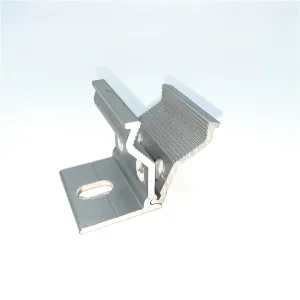
Structural Response: Clip-lock standing seam aluminum clamps and direct-fix short rails equipped with pre-adhered EPDM gaskets, utilizing high-shear self-tapping stainless screws without violating structural building envelope guarantees.
4. Agrivoltaics in the Thracian & Danubian Farmlands
Environmental Hazard: Intensive crop dusting, agricultural chemical mist (ammonia, nitrogenous fertilizers), and elevated mechanical vibration from agricultural machinery.
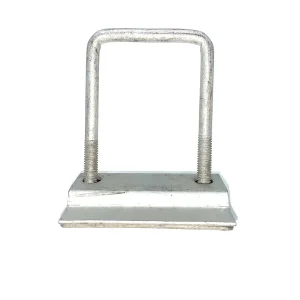
Structural Response: Elevated high-clearance mounting frameworks utilizing reinforced 3040 alloy profiles, paired with high-tensile stainless steel pole hoops and double-hole pressure plates designed for superior fatigue dampening.
| Component System | Material Standard | Yield Strength (Rp0.2) | Surface Treatment | Corrosion Class (ISO 9223) | Bulgarian Deployment Suitability |
|---|---|---|---|---|---|
| PV 3040 Reinforced Rail | AL-6005-T6 | ≥ 260 MPa | Clear Anodized (≥15μm) | C3 – C4 | Utility ground-mount & Commercial rooftops |
| Stainless Angle Brackets | AISI 304 / AISI 316 | ≥ 450 MPa | Passivated & Pickled | C4 – C5 | Coastal regions & Industrial sulfur zones |
| M-Type Water Channels | AL-6063-T5 | ≥ 175 MPa | Electrophoretic Coating | C3 | Waterproof Carports, BIPV Warehouses |
| Heavy-Duty Purlin Connectors | Q235B / Stainless Steel | ≥ 235 / 450 MPa | Hot-Dip Galvanized / Passivated | C3 – C4 | Brownfield reclaimed soil utility parks |
| Clip-Lock Clamping Bases | AL-6005-T6 + SS304 Bolts | ≥ 260 MPa | Shot-Blasted Anodized | C3 – C4 | Industrial standing seam metal roofs |
Technical Roadmap & Macro Structural Optimization
Anticipating the technological shift in module architecture: large-format wafers (210mm/182mm), n-type TOPCon bifaciality, and dynamic aeroelastic damping.
Bifacial Energy Yield Optimization via Minimized Rail Shade
With bifacial solar modules becoming the undisputed standard across utility-scale projects in Bulgaria, racking design directly influences electrical performance. Traditional wide-flange rails create significant rear-side shade and thermal pockets, degrading the bifacial rear gain by up to 3.5% annually. The next-generation PV 3040 geometry features an optimized profile contour that reduces rear-side beam occlusion angle to below 18 degrees, maximizing ground albedo bounce (critical in Bulgarian winter snow scenarios where albedo can exceed 0.65).
Furthermore, structural depth and purlin clearance have been engineered to prevent hot-spot formation caused by proximity induction. By decoupling the torque-tube and secondary support structures from the cell backsheet plane, airflow convection is substantially improved, keeping cell operating temperatures 2.8°C lower during high-temperature July-August operating intervals in Southern Bulgaria.
Aeroelastic Stability and Micro-Crack Mitigation Under Dynamic Wind Loading
As photovoltaic modules expand to surface areas exceeding 3.1 m² (particularly 660W to 700W+ panels), dynamic wind buffeting introduces dangerous aeroelastic galloping phenomena. Under high-velocity winds channeled through the Vratza or Sliven mountain gates, flutter vibrations induce micro-cracks in brittle silicon wafers, precipitating catastrophic power degradation over 5-year operating windows.
Our macroscopic mounting solutions implement dual-hole pressure plates and reinforced side clamps engineered with asymmetric stiffness profiles. These clamps act as mechanical shock dampers, distributing dynamic wind suction loads homogeneously along the module's structural aluminum frame rather than concentrating mechanical stress on localized glass perimeter zones. This design ensures absolute compliance with IEC 61215 dynamic mechanical load (DML) testing protocols at 1,000 Pa cyclic stress.
Frequently Asked Questions for Bulgarian Solar EPCs & Importers
Precise engineering, compliance, logistics, and metallurgical answers regarding photovoltaic mounting hardware procurement.
How do Youlong mounting systems comply with Bulgarian Building Codes and Eurocodes?
What alloy composition is utilized in the PV 3040 guide rails, and how does it prevent long-term sag?
How is galvanic corrosion mitigated when connecting stainless steel bolts to aluminum profiles?
Can your roof clamping systems be mounted onto Bulgarian industrial sandwich panels without voiding roof warranties?
What documentation and quality verification accompany shipments to Varna or Burgas?
What is the average lead time and shipping transit for bulk project deliveries to Bulgaria?
Do you manufacture custom-designed extrusions and stamped connectors based on EPC engineering drawings?
Comprehensive Mounting Clamps, Bases & Connector Portfolio
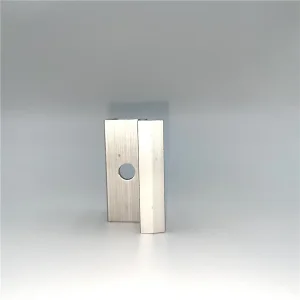
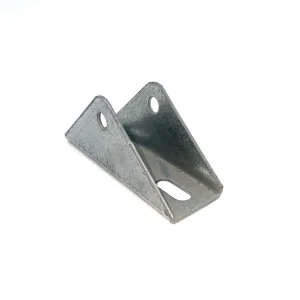
Complete structural bill of materials: high-precision side clamps, angle connectors, base plates, and purlin fasteners ensuring seamless field assembly.
Procuring for an upcoming utility or commercial PV portfolio in Bulgaria? Partner directly with the manufacturer.
Send Inquiry Now