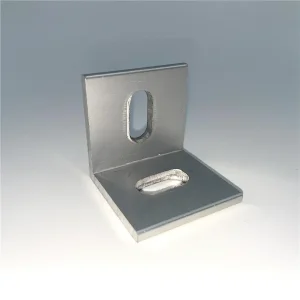
Featured Anchor & PV Structural Components
Standard and custom-engineered mechanical fixings designed to meet stringent pull-out strength and cyclic stress criteria across demanding engineering environments.
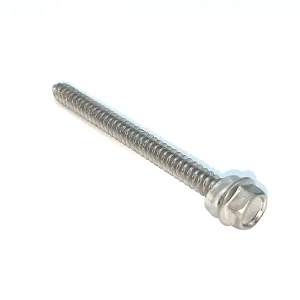
China Stainless Steel Self-Drilling Screw Manufacturer, Manufacturers
View Product Specifications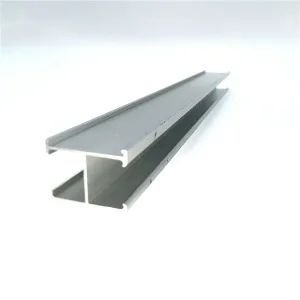
Best Premium China 3040 Aluminum Alloy Guide Rail for Solar PV Mounting - Reliable Suppliers and Factory Design Suppliers, Factory
View Product Specifications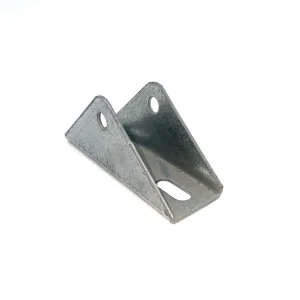
Buy China Factory Premium Three-Hole Solar PV Mounting Connectors - Reliable Suppliers for Outdoor Installation Suppliers, Companies
View Product Specifications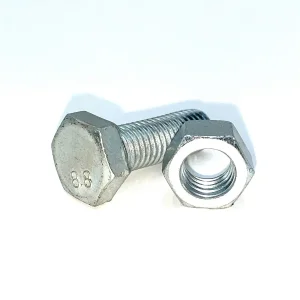
Buy High-Strength Hex Bolt from China Suppliers - Durable Carbon Steel Factory Fasteners for Machinery and Construction Manufacturer, Company
View Product Specifications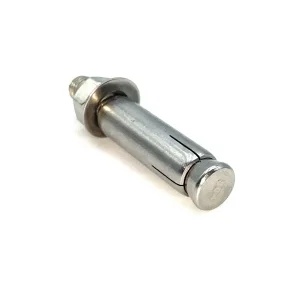
Buy China Stainless Steel Expansion Bolt Suppliers - Heavy-Duty Corrosion-Resistant Factory Fasteners for Construction Manufacturer, Suppliers
View Product Specifications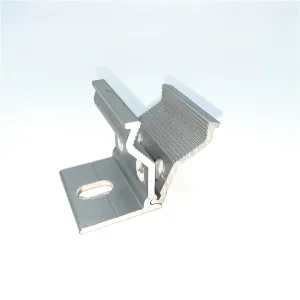
Best China Suppliers Factory Aluminum Clip Lock for Metal Roof Solar PV Installation Supplier, Companies
View Product Specifications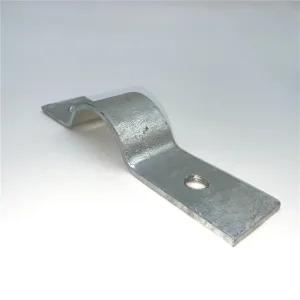
Best China Factory Suppliers Heavy-Duty Stainless Steel Hoop for Solar PV Mounting on Round Pipes and Brackets Company, Product
View Product Specifications
Best Heavy-Duty Stainless Steel Expansion Bolt Suppliers in China - Reliable Factory for Corrosion-Resistant Fasteners Suppliers, Factories
View Product SpecificationsThe Strategic Imperative of Precision Wall Anchor & Fastening Solutions
As mega-scale civil infrastructures, utility-grade photovoltaic plants, and modern architectural façades scale in velocity and engineering complexity, mechanical anchoring integrity forms the bedrock of structural safety.
Global Structural Challenges
Urban density growth and seismic building codes demand higher static and dynamic sheer thresholds. Substandard mechanical anchors account for over 38% of façade and bracket joint failures during peak gust oscillations. Standardizing on multi-sleeve expansion geometries guarantees repeatable torque-to-tension conversion.
Metallurgical Metallurgy & Friction Control
Transitioning from standard low-carbon fasteners to controlled Austenitic SS304/SS316 and Class 8.8/10.9 structural steels drastically curbs cold creep and galvanic corrosion. Youlong utilizes proprietary cold heading and mandrel expansion configurations tailored to cracked and non-cracked concrete substrates.
Economic Efficiency & Supply Resilience
Direct sourcing from Handan’s integrated industrial belt eliminates intermediary compounding markups while providing real-time batch traceability. Scalable manufacturing networks guarantee that seasonal surges in solar panel mounting and construction do not jeopardize installation cycles.
Engineered Load Paths: Wall Anchoring Across Diverse Substrates
Understanding mechanical anchorage behavior in cracked concrete, hollow brick, aerated masonry, and structural steel frames.
| Anchor Configuration | Working Substrate | Expansion Mechanism | Load Profile (Tensile/Shear) | Key Industrial Application |
|---|---|---|---|---|
| Fish Scale Anti-Slip Anchor | Solid Concrete, Hard Stone | Serrated sleeve radial bite | Dynamic Vibrational Resistance | Heavy Rail, Solar Baseplates, Machine Mounts |
| Heavy-Duty Wedge Anchor | Cracked & Non-Cracked Concrete | Torque-controlled single/double clip | Ultra-High Tensile Pull-Out | Curtain Wall Steel Columns, Elevators |
| Sleeve Wall Anchor Fasteners | Masonry, Brickwork, Porous Concrete | Full-body tube split expansion | Balanced Medium-Load Shearing | HVAC Ducting, Pipe Clamps, Solar Inverter Racks |
| Self-Drilling Screw Systems | Cold-Rolled C/Z Purlins, Aluminum | Thread-forming cold extrude | High Fast-Assembly Torque | PV Roof Hooks, Standing Seam Metal Decks |
Enterprise Risk Mitigation: Standards, Audits & Localized Assurance
Navigating transnational compliance frameworks to ensure smooth installation sign-offs, zero field pull-out recalls, and prolonged installation lifecycles.
Mill Test Certificates (MTC)
Every batch ships with fully documented EN 10204 3.1 certification verifying carbon, chrome, and nickel chemistry, yield thresholds, and core hardness parameters to prevent on-site brittle fractures.
Salt Spray Testing Standards
In-house ASTM B117 and ISO 9227 salt fog verification guarantees surface finishes—ranging from 500-hour Dacromet coatings to marine-spec SS316—maintain passivation barriers without red rust initiation.
Export Customs Ready
Standardized sea-worthy palletized packaging with vapor-corrosion inhibiting (VCI) liners. Fully compliant documentation packages covering EUR.1, Certificate of Origin (CO), and multi-lingual bill-of-lading support.
Technical Roadmap: Smart Fasteners & Micro-Alloy Developments
Pioneering fastener durability through intelligent metallurgy, zero-torque relaxation profiles, and digitized traceability.
Phase 01: Low-Relaxation Micro-Alloying
Integrating micro-boron and vanadium additions into structural bolt blanks to elevate fatigue life by 40% under sustained cyclical wind loads without embrittlement.
Phase 02: Eco-Friendly Non-Electrolytic Zinc
Replacing traditional electroplating with thin-film trivalent passivated micro-flake zinc flake coatings, entirely eliminating hydrogen embrittlement hazards.
Phase 03: Direct Preload Indicator Geometry
Embedding micro-deformation indicators within heavy-duty expansion sleeves to provide field visual verification when precise design torque is achieved.
Frequently Asked Questions
Key technical and procurement answers for structural engineers, project directors, and fastener distribution partners.
How do fish-scale anchor bolts enhance grip in solid concrete compared to standard smooth sleeves?
Fish scale expansion bolts feature multi-directional stamped serrations that actively slice into the concrete hole perimeter as the tapered cone expands during torquing. Unlike smooth-walled expansion anchors that rely exclusively on uniform frictional hoop stress, the fish-scale design introduces localized mechanical interlocking. This significantly elevates resistance against dynamic displacement caused by high vibrational forces in wind power or PV tracker motor operation.
What protocols prevent galvanic corrosion when joining aluminum solar rails with stainless steel anchor fasteners?
Galvanic corrosion occurs when two metals with differing electrolytic potentials (such as aluminum and austenitic stainless steel) share an electrolytic moisture bridge. We prevent this by providing precision UV-resistant EPDM isolating washers, non-conductive PA66 nylon bushings, or applying specialized non-electrolytic fluoropolymer/zinc-flake barrier coatings directly onto the fastener threads and bearing faces.
What is the minimum embedment depth requirement for heavy-duty expansion bolts in solid concrete?
As an engineering rule of thumb, minimum effective anchorage embedment depth ($h_{ef}$) should be at least 4 times the nominal anchor diameter ($4d$) for non-critical applications, and $6.5d$ to $8d$ for structural curtain walls and seismic PV brackets. Precise embedment schedules must take into account concrete compressive strength (C20/25 vs C50/60) and edge-distance clearances to prevent concrete breakout cones.
Can Youlong manufacture OEM fastener sets directly tailored to EPC project drawings?
Yes. Our Handan facility integrates multi-station cold headers, CNC turning centers, and progressive stamping equipment capable of fabricating bespoke anchor lengths, custom thread pitches (UNC/Metric fine), specialized head geometries (T-bolts, carriage heads), and unique bracket connector stamping forms with full material certifications.
Complete Structural Fastener & Mounting Hardware
Comprehensive supply of solar mounting channels, structural angle brackets, and high-tensile hardware engineered for field compatibility.
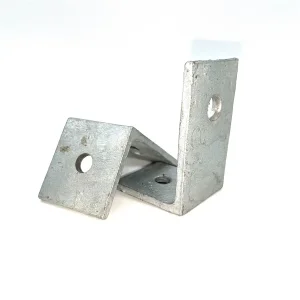
Best Solar PV Mounting Stainless Steel Angle Bracket Manufacturer, Products
View Product Specifications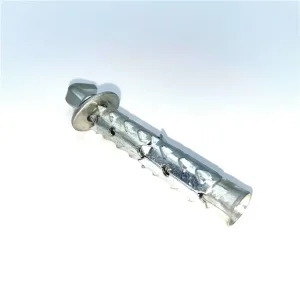
Buy Heavy-Duty Fish Scale Expansion Bolt - Anti-Slip Design from China Suppliers & Factory for Strong Wall Fixing Manufacturer, Manufacturers
View Product Specifications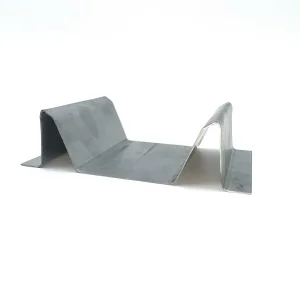
Best Durable M-Type Aluminum Water Channel for Solar Projects - China Factory Suppliers for Efficient Rainwater Drainage Supplier, Products
View Product Specifications
Best Durable M-Type Aluminum Water Channel for Solar PV Systems - China Suppliers and Factory for Effective Rainwater Drainage Supplier, Products
View Product Specifications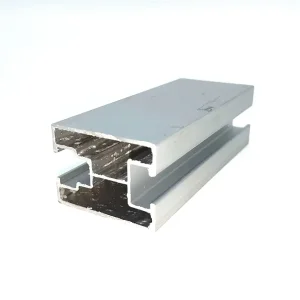
China High-Strength 3040 Reinforced Aluminum Guide Rail for Solar Panels - Trusted China Suppliers & Factory Solutions Companies, Products
View Product Specifications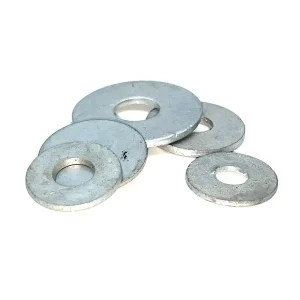
Best Stainless Steel Flat Washer Manufacturers, Companies
View Product Specifications
China China Suppliers Heavy-Duty Stainless Steel Expansion Bolt – Reliable Factory-Fixed for Outdoor & Construction Use Factories, Products
View Product Specifications