Industrial Grounding & Photovoltaic Protection
Buy Lightning Protection Wire Factories & Products
Engineering high-conductivity lightning protection wire, bare copper bonding conductors, and structural PV ground clamp assemblies. Salt-spray validated, IEC 62305 & UL 467 compliant manufacturing for megawatt-scale solar, wind, and civil energy assets.
Primary Engineering Stock
Certified Lightning Bonding & Solar Mounting Products
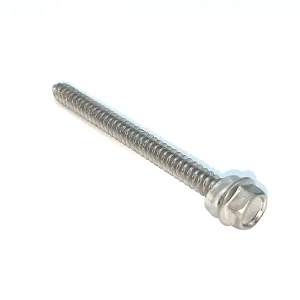
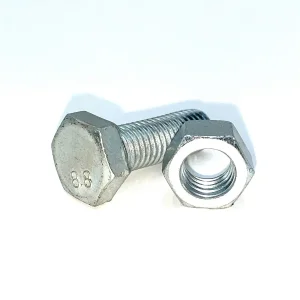
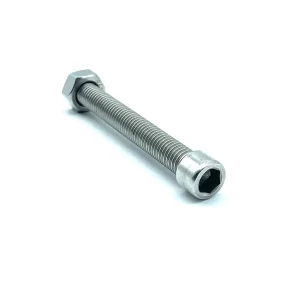
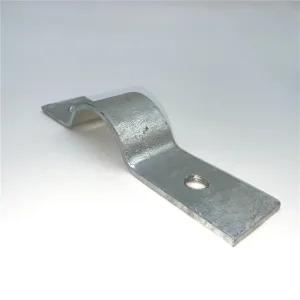
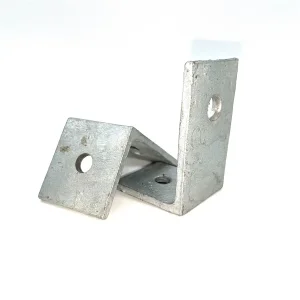
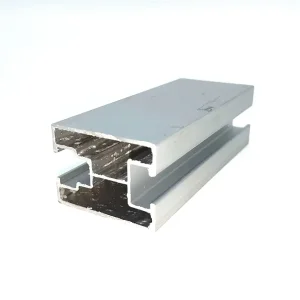
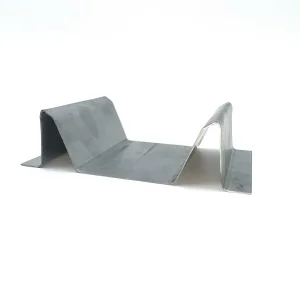
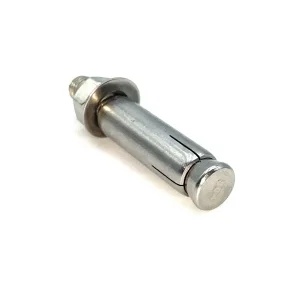
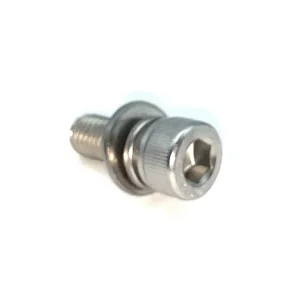
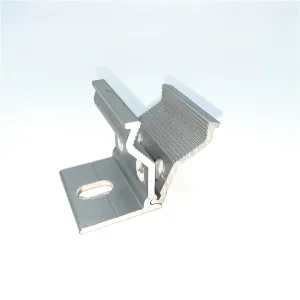
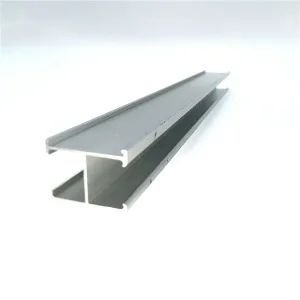
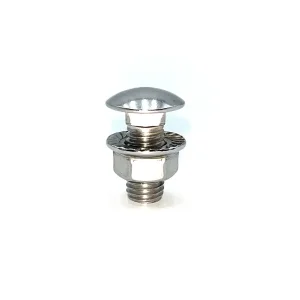
Factory-direct supply of solar aluminum guide systems, stainless anchoring hardware, and structural grounding path hardware engineered to sustain transient impulse currents.
Enterprise Footprint
Precision Metallurgy & Structural Manufacturing Authority
Originating from Yongnian District, Handan—the epicenter of China's fastener and metal manufacturing cluster—we deliver verified mechanical and electrical bonding systems across 6 continents.
300,000+
Metric Tonnes Shipped
100+
Global Utility Clients
10+
Years Technical R&D
200 kA
Impulse Test Capability
Market Dynamics
Global Procurement Demand for Lightning Protection Wires
The international surge in utility-scale solar PV installations, offshore wind substations, and hyper-scale data centers has transformed lightning conductor procurement from generic electrical wiring into mission-critical structural engineering.
Solar PV Array Bonding
Modern solar farms cover square kilometers of open ground. Without equipotential bonding across aluminum guide rails, metallic clips, and grounding down-conductors, direct strikes or side-flashes cause catastrophic inverter destruction and module glass shattering.
- UL 467 certified bonding clips
- Anodized aluminum oxide penetration
Mission-Critical AI Infrastructure
High-density AI computing facilities cannot tolerate microsecond transient surges. Lightning down-conductors require specialized shielded low-impedance cables that safely route high di/dt energy into grounding meshes without inducing inductive voltage into nearby server racks.
- High-frequency impulse containment
- IEC 62305-4 surge zone compatibility
Marine & Coastal Corrosion Resistance
Coastal wind farms, floating photovoltaics (FPV), and offshore platforms face aggressive salt-spray corrosion (ISO 9223 C5-CX). Buyers demand high-grade copper or copper-clad steel (CCS) conductors fused with SS316 fasteners to prevent galvanic joint corrosion.
- 2,000+ hour neutral salt spray endurance
- Bi-metallic EPDM barrier integration
Technical Whitepaper
Material Engineering & Application Matrix
A holistic comparison between conductor metallurgical compositions, tensile strength benchmarks, and environmental tolerances according to IEC 62561 and BS EN 50164 standards.
| Conductor Material | Cross-Section (Standard) | Tensile Strength (MPa) | Corrosion Rating (ISO 9223) | Primary Industrial Use-Case |
|---|---|---|---|---|
| Bare Annealed Copper (OFC) | 50mm² – 95mm² Tape / Stranded | 200 – 260 | C3 – C4 | Utility substation earth mesh, direct burial down-conductors |
| Copper-Clad Steel (CCS 40%) | Ø 8mm – 14mm Solid Wire | 450 – 680 | C3 – C4 | Anti-theft grounding grids, railway overhead ground wires |
| High-Purity Extruded Aluminum | 50mm² – 70mm² Solid / Stranded | 120 – 180 | C2 – C3 | Rooftop solar PV air-terminals and aluminum frame bonding |
| Hot-Dip Galvanized Steel (HDG) | 30x3.5mm – 40x4mm Flat Bar | 350 – 500 | C2 – C3 | Civil concrete foundation earth rods and foundation electrodes |
| Marine Stainless Steel (SS316 / A4) | 50mm² – 78mm² Stranded / Rod | 520 – 750 | C5 – CX | Offshore wind towers, chemical refining plants, splash zones |
Future Outlook
Technology Roadmap: Intelligent Lightning Mitigations
Tracing the evolutionary trajectory from mechanical galvanic conductors to smart, monitored, self-healing earthing topologies.
Phase 1: Nano-Composite Coatings
Transitioning from standard hot-dip galvanization to graphene-enhanced and ceramic-metallic matrix coatings. These provide up to 300% longer life in acidic and saline soils, practically eliminating earth electrode replacement cycles over a solar farm's 30-year design lifetime.
Phase 2: IoT Lightning Current Counters
Integrating clamp-on Rogowski coils and energy-harvesting sensors directly into main down-conductor junctions. These IoT devices monitor peak discharge current (kA), waveform front-time, and accumulated energy, reporting directly to asset SCADA software.
Phase 3: Automated Equipotential Continuity
Development of mechanical clamp locks with integrated spring-loaded carbide micro-teeth. As thermal expansion and contraction cycles occur between aluminum rails and steel posts, the connection continuously bites deeper, maintaining continuous micro-ohm resistance.
Quality Assurance
Global Compliance & Factory Verification
Rigorous manufacturing controls backed by testing documentation, full traceability, and localized engineering support across primary trading ports.
Salt Spray Verification
In-house continuous salt spray testing chambers ensuring all stainless fasteners and galvanized components meet ASTM B117 and ISO 9227 without red rust breakout.
Tensile & Shear Testing
Hydraulic universal load cells verify the proof load, yield stress, and ultimate tensile capacity of expansion anchors and carriage bolts to ensure structure stability under extreme wind shear.
Impulse Current Testing
Grounding clips, splice plates, and conductors are tested under standard 10/350 μs impulse waveforms up to 100 kA to ensure zero flashover breakdown or joint fusion failure.
Global Export Readiness
Complete mill test certificates (MTC) 3.1, RoHS/REACH compliance paperwork, certificate of origin, and custom crating optimized for ocean container transport.
Technical FAQ
Frequently Asked Technical & Procurement Questions
Direct answers for EPC engineers, international purchasing managers, and technical auditors sourcing lightning conductors and structural fasteners.
What is the minimum recommended cross-sectional area for solar PV down-conductors?
Under IEC 62305-3 standards for Class III/IV lightning protection systems (typical for solar installations), the minimum recommended copper cross-sectional area is 50 mm² (stranded or flat tape). For aluminum down-conductors, a minimum of 70 mm² is mandated due to aluminum's lower melting point and electrical conductivity relative to copper.
How do you resolve galvanic corrosion between aluminum rails and stainless fasteners?
When dissimilar metals such as aluminum (anodic) and stainless steel (cathodic) make contact in wet environments, galvanic corrosion occurs. We supply high-dielectric EPDM, nylon isolating washers, and specialized bi-metallic grounding clips with serrated stainless teeth designed to penetrate oxide films while limiting bare surface-to-surface interaction.
Can you provide custom-formed bonding jumpers and punched flat tapes?
Yes. Our automated stamping and CNC punching infrastructure supports customized copper and aluminum bonding jumpers, flexible braided straps, and pre-drilled flat conductors with specific hole pitches to match your mounting rail profiles and inverters.
What testing documentation is delivered with export consignments?
Every shipment includes an EN 10204 Type 3.1 Material Test Certificate indicating chemical composition analysis, yield and tensile strength reports, coating thickness measurements (microns), and neutral salt spray test logs.
Integrated Hardware Systems
Structural Mounting Fasteners & Roof Interfaces
Explore complementary mechanical anchoring, pipe clamping, and structural fastening assemblies designed for robust lightning path grounding integrity.