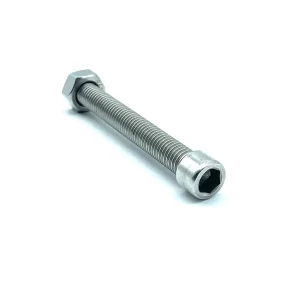
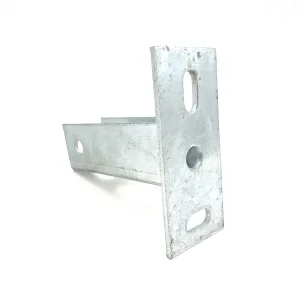
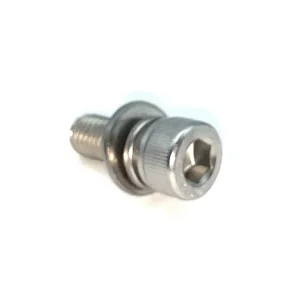
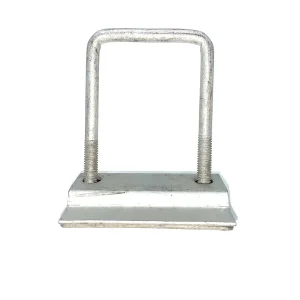
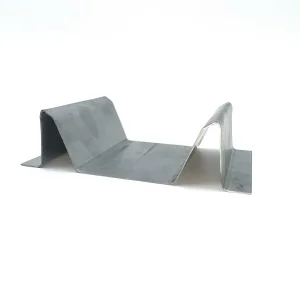
Featured Industrial Tray Hardware & Structural Assemblies
High-integrity mechanical connectors, seismic brackets, and foundational anchoring units certified for utility, petrochemical, and large-scale cable routing infrastructure.
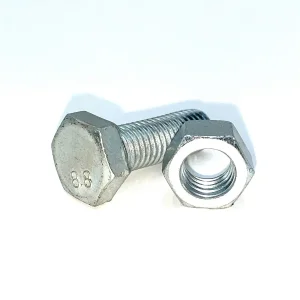
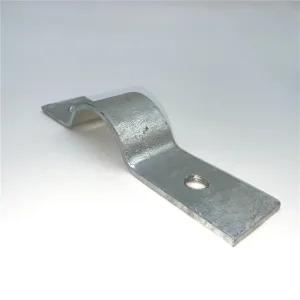
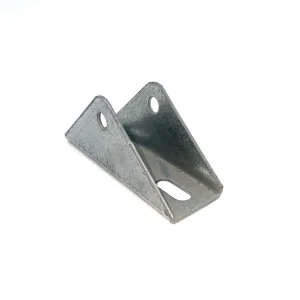
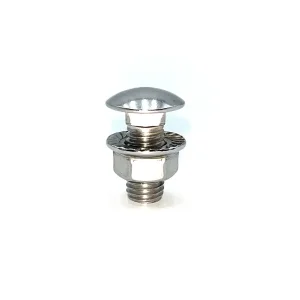
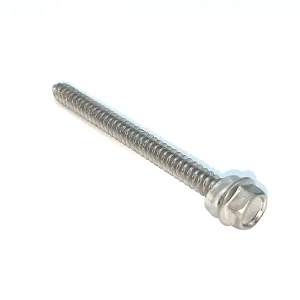
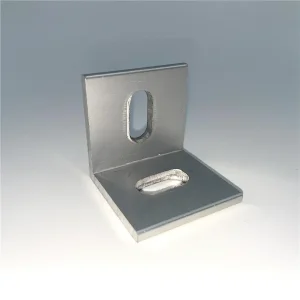
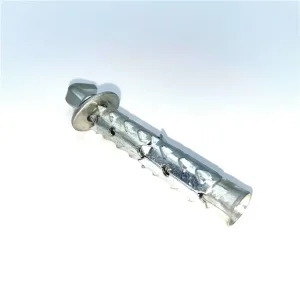
Global Commercial Landscape: Ladder Style Cable Tray Systems
An analytical overview of the structural containment market across hyperscale infrastructure, power transmission, and heavy industrial facilities.
Thermal Dissipation & Ampacity Ratings
Ladder style cable trays represent the globally preferred standard for high-density power distribution. By utilizing an open-rung geometry, these systems offer 100% free-air ventilation.
This structural approach prevents heat accumulation inside insulated conductors, allowing engineers to operate power cables at higher ampacity thresholds based on NEC and IEC 61537 standards without derating conductor capacity.
Hyperscale Data Center Infrastructure
The global surge in generative AI, cloud computing, and low-latency digital operations requires expansive overhead containment configurations.
Modern data hall installations deploy dual-channel aluminum and electro-galvanized ladder systems capable of isolating low-voltage fiber channels from high-capacity busway drops while withstanding severe dynamic live loads.
Corrosion Classifications & Lifecycle Engineering
International asset developers require structural longevity across aggressive atmospheric zones. Suppliers must produce containment hardware conformant to ISO 12944.
From Hot-Dip Galvanized (HDG) steel rated for C3/C4 environments to marine-grade 316L stainless steel engineered for offshore C5-M facilities, lifecycle preservation relies heavily on material purity and metallurgical control.
Technology Roadmap & Next-Generation Engineering Trends
How robotic fabrication, intelligent FEA modeling, and advanced metallurgy are driving long-span containment efficiencies.
Automated Cold-Roll Forming
Transition from manual press brake manufacturing to continuous high-speed roll forming with integrated in-line CNC punching. This ensures 0.2mm tolerances across side rails and eliminates internal stress points along flange bends.
I-Beam & Tubular Rung Designs
Shifting from traditional hat-channel rungs to mechanically locked structural I-beam and hollow extruded rungs. This maximizes lateral torsional resistance against heavy short-circuit electromagnetic deflection.
Quick-Lock Splice Architecture
Eliminating conventional multi-bolt plate connections. Patented tool-less snap-and-wedge splice assemblies reduce labor overhead on commercial construction projects by up to 65% while providing verified ground continuity.
Low-Carbon Metallurgical Supply
Incorporation of EAF (Electric Arc Furnace) green steel profiles and closed-loop recycled aluminum alloys (6063-T6), meeting stringent Scope 3 embodied carbon disclosure targets for BREEAM and LEED v4.1 certifications.
Localized Industrial Application Scenarios
Engineered containment hardware configurations tailored to specific environmental and load-stress variables.
Utility-Scale Renewable Farms
Conditions: Severe desert thermal cycles, continuous UV degradation, and high-velocity aeolian sand abrasion.
- Materiality: Extruded marine-grade 6005-T5 Aluminum or Zinc-Aluminum-Magnesium (ZAM) coated carbon steel.
- Hardware: Stainless Steel 304/316 expansion anchoring assemblies with high-tension nylon isolation washers to stop galvanic reaction.
- Load Metric: NEMA VE 1 Type 12C / 16C long-span compliance between perimeter tracker posts.
Offshore & Petrochemical Facilities
Conditions: Saline fog exposure (C5-M), sulfur vapor, and continuous heavy machinery vibration.
- Materiality: Passivated Austenitic 316L Stainless Steel or FRP/GRP pultruded non-metallic compositions.
- Hardware: Heavy-duty hex bolt sets with serrated lock nuts and 80-micron minimum hot-dip galvanization on bracketry.
- Standard: IEC 61537 Section 10.4 corrosion verification and DNV-GL marine classification.
Underground Metro & Tunnels
Conditions: Strict non-toxic low-smoke zero-halogen (LSZH) fire regulations and extreme piston wind pressures.
- Materiality: High-yield structural steel with E90 fire resistance classification (DIN 4102-12).
- Hardware: Heavy-duty fish scale seismic expansion anchors with seismic sway bracing kits.
- Safety Integrity: Continuity ground bonding impedance verified under 0.05 ohms across all splice joints.
Comprehensive Procurement Architecture for Containment Systems
A systematic methodology for procurement leads, structural engineers, and site installation supervisors to prevent project risks.
1. Load Class Determination (NEMA vs IEC)
Verify dynamic wind, snow, and mechanical cable loading against verified deflection curves. NEMA VE 1 classes (e.g., Class 20C requires 100 lbs/ft over a 20-foot span with a safety factor of 1.5) must be calculated prior to finalizing side-rail height (4", 5", 6", or 7") and gauge thickness.
2. Thermal Expansion Compensation
Over extended continuous runs, ambient temperature variations induce significant longitudinal expansion and contraction. For instance, aluminum runs spanning 30 meters can experience up to 25mm of movement over a 35°C delta. Expansion splice plates with pre-slotted clearance holes are strictly mandatory at calculated intervals.
3. Direct Factory Interface & Traceability
Ensure that ladder tray and structural hardware suppliers provide primary Mill Test Certificates (EN 10204 Type 3.1). Sourcing from unified industrial clusters—such as Yongnian—guarantees continuous chemical consistency across fasteners, channel nuts, splice joints, and structural tray rails.
Ladder Style Cable Tray Engineering & Sourcing FAQ
Clear, authoritative technical answers to key questions asked by procurement teams, electrical consultants, and EPC estimators.
What structural advantages do ladder style cable trays offer over solid bottom or wire mesh trays?
How do you calculate proper rung spacing when specifying ladder trays?
Which surface treatment provides the longest service life in coastal and marine facilities?
What role do high-strength fasteners play in tray grounding and seismic endurance?
Can Youlong Fastener manufacture custom bracketry, anchors, and connecting profiles to custom drawings?
Precision Mounting Brackets, Channel Plates & Socket Fasteners
Complete line of structural clamps, heavy stainless socket hardware, and engineered drainage channels built to ensure mechanical stability.