
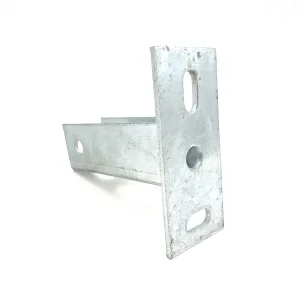
China High-Strength Solar PV Mounting Aluminum Alloy Base from China Suppliers & Factory
View Specifications →
Engineered to deliver 30+ year structural stability under intense atmospheric and mechanical stresses. Explore our primary factory-direct hardware lines.
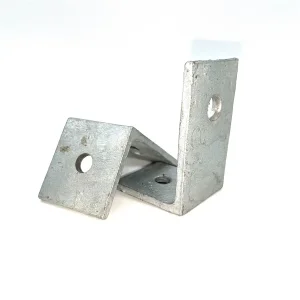
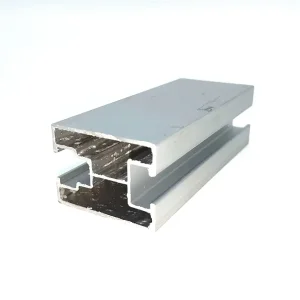
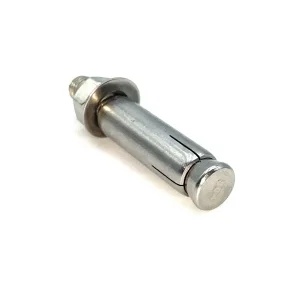
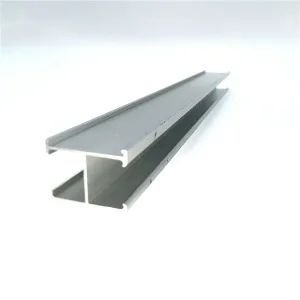
A technical and macroeconomic exploration of how hot-dip galvanized (HDG) and high-strength fasteners serve as the core backbone of global renewable energy transitions and mission-critical civil engineering.
The aggressive expansion of multi-gigawatt photovoltaic plants and onshore/offshore wind assets demands fasteners capable of resisting atmospheric degradation over decades. As standard zinc electroplating proves inadequate for 25-to-30-year operational lifetimes, hot dip galvanized and marine-grade stainless fasteners have transitioned from an optional upgrade to an engineering mandate.
Unlike surface-barrier paints or electro-galvanized coatings that peel under mechanical stress, hot dip galvanization produces true metallurgical iron-zinc alloy layers (Gamma, Delta, and Zeta phases topped by the pure zinc Eta layer). This crystalline structure is harder than base steel itself, providing extreme abrasion resistance during torque application.
Modern EPCs reduce multi-vendor friction by procuring unified load-path assemblies. In-house cold heading, CNC threading, automated centrifugal hot-dip dipping, and stamping under one manufacturing umbrella minimize thread tolerance failures, batch-to-batch friction variation, and hydrogen embrittlement risks.
Comprehensive metallurgical data comparing protective coating metrics, overtapping standards for internal threads, and structural testing compliance.
| Standard / Attribute | ASTM A153 / F2329 | ISO 10684 (EN ISO 1461) | Youlong High-Spec Manufacturing Limit |
|---|---|---|---|
| Target Fastener Types | Rolled hex bolts, timber screws, anchor rods | Bolts, screws, nuts & structural fixings | Complete load path: M6–M64, solar track fixings |
| Min. Average Zinc Thickness | 43 μm – 86 μm (Class C/D) | 45 μm – 50 μm (Centrifuged) | 65 μm – 85 μm Centrifuged Standard |
| Internal Thread Allowance | ASTM A563 overtapping (6H/6AZ) | ISO 965-5 tolerance classes (6AZ / 6AX) | CNC precision tapped post-galvanize with anti-galling oil |
| Hydrogen Embrittlement Protocol | Mandatory post-plate bake for ≥Grade 8.8 | EN ISO 15330 embrittlement relief | 190°C–220°C hydrogen relief baking within 1hr |
| Salt Spray Resistance (ISO 9227) | Variable based on layer weight | > 720 Hours to red rust | 1,500+ Hours validated performance |
Precision fastening solutions engineered to eliminate joint failure, galvanic oxidation, and vibration loostening under aggressive localized climatic conditions.
Climatic Challenges: High UV radiation, thermal expansion cycles from -10°C to +55°C, and abrasive sandstorm scouring.
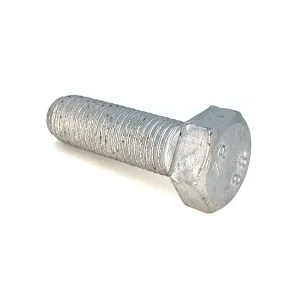
Fastening Solution: Heavy-gauge HDG Grade 8.8 bolts combined with Belleville disc springs and serrated lock nuts. The thick iron-zinc intermetallic alloys withstand airborne silica abrasion without sacrificial layer depletion.
Climatic Challenges: Continuous chloride ion saturation (C5M Marine Classification), high atmospheric salinity, and constant humidity.
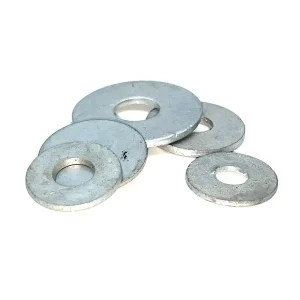
Fastening Solution: Marine Grade 316 (A4-80) austenitic stainless steel expansion fasteners and specialized isolating dielectric EPDM washers to completely block bimetallic electron exchange between aluminum mounting rails and support steel.
Climatic Challenges: High-amplitude cyclic dynamic fatigue, seismic ground accelerations, and heavy structural vibrations.
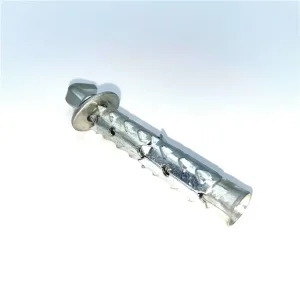
Fastening Solution: Fish-scale mechanical concrete anchors and high-yield anchor bolt cage groups fabricated with controlled elongation metrics, preserving structural joint preload through seismic shear events.
Fully compliant with international structural codes, supplied in standard bulk exports or customized OEM packaging for immediate job-site distribution.
The structural hardware landscape is evolving rapidly. Here is how Youlong integrates forward-looking metallurgical science and digital manufacturing.
The introduction of 1% to 3% magnesium into molten zinc galvanizing baths creates self-healing protective patinas (Simonkolleite). When scratch damage occurs during high-torque field driving, the hydroxide carbonate film flows across cut edges, outperforming traditional HDG in edge corrosion resistance by up to 300%.
Manual thread verification is replaced with multi-camera high-speed optical sorting machines. Fasteners pass through laser inspection rigs at 400 pieces per minute, validating thread pitch, internal tap clearance, and zinc buildup without human error or field assembly jams.
In accordance with critical industrial E-E-A-T and project compliance requirements, each pallet of Youlong fasteners carries QR-linked batch numbers tracing steel melt heats, cold header forging cycles, and certified salt spray test records for international structural audits.
Expert engineering answers resolving critical procurement, assembly, thread fitment, and international delivery inquiries.
Hot dip galvanizing adds a 45–85μm thick crystalline zinc layer to fastener surfaces. Because internal female threads pool zinc during dipping, standard metric taps would bind completely. Nuts must be tapped after galvanizing or overtapped prior to dipping per ASTM A563 (6AZ/6AX limits). Under proof-load engineering calculations, internal overtapped female threads develop 100% tensile yield of mating external bolts due to the engaged thread length reserve.
No. Standard electroplated (zinc clear or yellow dichromate) nuts have standard thread pitch clearances and will seize mechanically when driven onto the thicker zinc coating of an HDG bolt. Furthermore, electro-galvanized coatings offer merely 5–12μm protection, creating an accelerated failure zone where the nut corrodes years before the HDG bolt body.
High-tensile steels (hardness >32 HRC or Grade 8.8 and above) are susceptible to atomic hydrogen absorption during pickling acid baths. Youlong applies strictly monitored post-pickling baking cycles at 200°C ± 10°C for 4 to 8 hours prior to dipping, alongside centrifugal spinning of fasteners immediately out of molten zinc to purge molten puddling.
Aluminum (anodic) and steel/copper (cathodic) create an active galvanic couple in wet outdoor environments. To stop this mechanism, our solar hardware systems incorporate non-conductive EPDM or nylon insulating washers between the bracket base and rails, or transition directly to A2/A4 stainless carriage assemblies engineered with physical dielectric isolation barriers.