
High-Strength Precision Hardware & Mounting Fasteners (Selection 01–08)
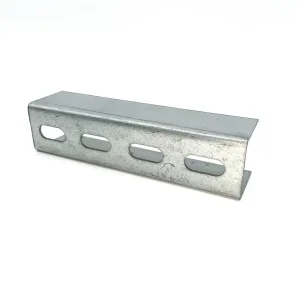
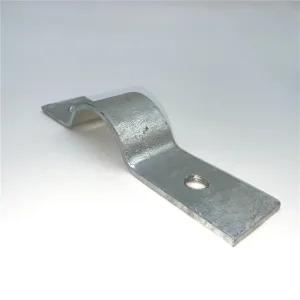
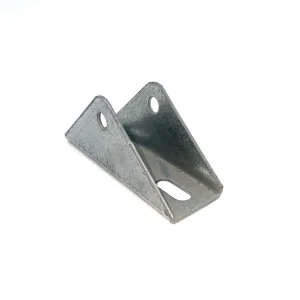
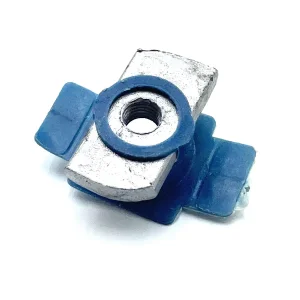
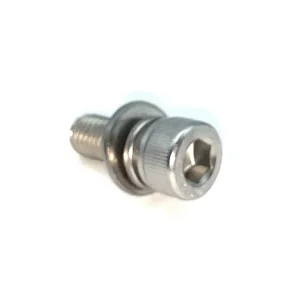
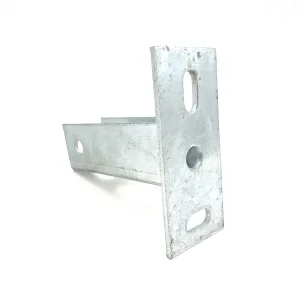
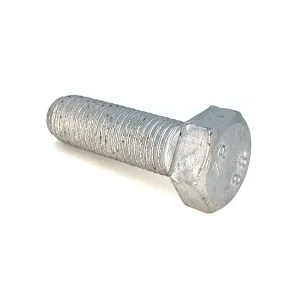
Essential heavy-duty structural purlin connectors, precision anchor bolts, wing nuts, and aluminum brackets manufactured at our Yongnian production hub to support sanitary soil stacks and renewable energy mounting foundations.
Engineering the Ultimate Toilet Soil Connector: Zero Leakage, Gas Containment & Longevity
In mechanical, electrical, and plumbing (MEP) infrastructure, the toilet soil connector (frequently classified across international building codes as the WC pan connector, closet flange adapter, or soil stack junction) is the single most critical sanitary barrier separating living spaces from hazardous sewer gases, blackwater effluents, and high-frequency hydraulic pressure spikes.
Hermetic Gas Containment
Sewer pipelines generate volatile compounds including hydrogen sulfide (H₂S), methane (CH₄), and airborne biological pathogens. An elite toilet soil connector utilizes multi-lip ethylene propylene diene monomer (EPDM) or thermoplastic elastomer (TPE) radial fins that maintain absolute gas tightness under both positive static backpressure (+500 Pa) and cyclical vacuum drops created by simultaneous stack discharges.
- Tested to EN 476 & ASME A112.18.2 standards
- Zero VOC permeation through polymer wall
Hydraulic Boundary Optimization
Blackwater discharges transport suspended solid waste and cellulose fibers at velocities exceeding 1.2 m/s. Inferior connectors with internal mold parting ridges, non-concentric bore transitions, or excessive ribbing trigger immediate hydraulic drag, scale crystallization, and recurring clogs. Precision internal taper geometry ensures unobstructed laminar gravity transition.
- Smooth mirrored Ra < 0.4 µm interior bore
- Self-scouring hydrodynamic cross-section
Dynamic Deflection & Seismic Tolerance
Multi-story structures undergo vertical creep, wind-induced sway, and slab thermal expansion. Rigid PVC glued joints snap under differential building settlement. High-performance toilet soil connectors integrate wire-reinforced flexible EPDM bellows or articulated swivel flanges capable of absorbing ±25mm axial displacement and 15° radial misalignments without seal rupture.
- Spring steel wire helical skeleton option
- Rated for seismic Grade 8 lateral shockwaves
Accelerated chemical & UV aging under continuous hot effluent loads
Independent methane and hydrogen sulfide pressure chamber validation
Polypropylene body withstands severe slab pouring hydrostatic crush forces
Heavy fastener and precision engineered component factory export capacity
Specialized Deployment Across Global Commercial, Industrial & Prefab Systems
Plumbing rough-in tolerances and architectural standards differ drastically across geographic territories. Our engineering matrix adapts toilet soil connector geometries and anchorage hardware to match specific local construction environments.
High-Rise Residential Stacks (Europe & UK)
Designed around BS EN 12056 gravity drainage frameworks and BS 5572 codes. In multi-family residential towers, vertical soil stack shrinkage and acoustic vibration transmission are paramount concerns. Our connectors feature sound-dampening decoupling collars that reduce flushing acoustic bridge transfer below 18 dB(A) into surrounding structural drywalls.
- Universal 90mm to 110mm spigot to cast-iron/PVC transition
- Acoustic insulation sleeve compatibility
Prefabricated Bathroom Pods & Modular MEP
Off-site volumetric construction requires blind-connection capability. Workers lowering modular pod units onto pre-cast concrete corbels have zero visual or hand access beneath the subfloor. We engineer self-centering magnetic or tapered snap-lock soil connector sleeves that mate instantly with ±12mm tolerance upon drop-in placement.
- Zero-torque push-fit interlock eliminates on-site labor errors
- Pre-installed stainless flange brackets for factory testing
Historic Masonry Retrofits (North America & ANZ)
Brownstone and heritage retrofits frequently encounter legacy lead caulked hubs, cast-iron soil pipes, or odd-pitch offset soil drains. Our flexible multi-fin eccentrically offset connectors (up to 40mm center offset) permit modernization of modern rimless water closets without destructive diamond-core slab re-drilling.
- Adjustable offset angles from 0° to 90° sweep elbows
- High chemical resistance to caustic pipe clearing solvents
Toilet Soil Connector Material Selection & Operational Thresholds
Specifying engineers and chief MEP estimators must weigh temperature ratings, chemical inertness, and ring stiffness. Compare common soil pipe connector chemistries against our flagship hybrid assemblies.
| Material Category | Operating Temp Range | Tensile / Ring Modulus | Chemical & Sewer Gas Resistance | Seismic / Flexural Compliance | Ideal Application Scenario |
|---|---|---|---|---|---|
| Virgin Polypropylene (PP-H) | -10°C to +95°C continuous | 1450 MPa (Rigid structural) | Superior (pH 1 to 14) | Moderate (Elastic snap ring) | Commercial high-rise straight pan drop drops and soil stacks |
| Unplasticized PVC (uPVC) | 0°C to +60°C maximum | 3000 MPa (Brittle prone) | Average (Degraded by solvents) | Low (Risk of cracking under shear) | Budget residential standardized slab connections |
| EPDM Multi-Fin Elastomer | -40°C to +120°C | 60 Shore A Durometer | Immune to Ozone, H₂S & UV | High (>400% elongation at break) | Internal compression fins and porcelain spigot seals |
| Wire-Reinforced Hybrid Bellows | -25°C to +90°C | Dynamic Spring Rate (304 SS) | Dual-Layer Co-Extruded barrier | Maximum (±35mm multi-axial) | Seismic zones, retrofit offsets, and modular bathroom pods |
Future-Proofing Sanitation: The Smart Soil Connector Horizon (2025–2030)
The convergence of building information modeling (BIM), IoT sensor arrays, and advanced nanotechnology is transforming passive drainage plastics into intelligent sanitary safety infrastructure.
Nano-Silver Antimicrobial Bio-Inhibition
Biofilm and uric scale accumulation create bacterial colonies that degrade rubber gaskets and generate foul odors. Our engineering division is formulating silver-ion-doped polypropylene compounds that inhibit 99.9% of Legionella, E. coli, and Salmonella biofilm reproduction inside the connector collar throughout its entire service life.
- ISO 22196 antimicrobial validation compliance
- Non-leaching permanent molecular bonding
Integrated IoT Micro-Telemetry & Gas Sensing
Hidden subfloor leaks cause catastrophic mold blooms and concrete reinforcement corrosion before visible surface signs appear. Upcoming smart connector collars feature passive RFID and MEMS semiconductor sensors embedded in the elastomer matrix to transmit instantaneous alerts upon detecting trace H₂S gas escapes or sub-millimeter fluid moisture bridging.
- Batteryless NFC interrogation capability for facility inspectors
- Real-time integration with modern BMS systems
100% Circular Post-Industrial Polymers
In alignment with European Green Deal ESG mandates and LEED v4.1 circularity scoring, our manufacturing processes are transitioning to certified closed-loop post-industrial polypropylene blends with high glass-fiber reinforcement. This cuts lifecycle embodied carbon by 47% while matching virgin tensile and ring-stiffness ratings.
- Verified Environmental Product Declarations (EPD)
- Fully recyclable end-of-service lifecycle classification
The Handan Yongnian Manufacturing Ecosystem: Scale, Speed & Total Quality Integration
Headquartered directly in Yongnian District, Handan City—recognized universally as "China's Fastener & Mechanical Hardware Capital"—our operations capitalize on an unprecedented vertically integrated production cluster that provides global buyers with unbeatable supply continuity.
Sub-10km Raw Material Sourcing Perimeter
Unlike overseas competitors who must ship cold-heading steel wire, specialty polypropylene resins, and brass inserts across international borders, our factory sits within 10km of major metallurgy foundries, mold-making tooling shops, and surface treatment facilities. Raw steel billet to finished fastener runs without multi-week transport delays.
- Unmatched resilience against global shipping shocks
- Rapid tooling iterations (custom molds within 14 days)
Full Load Path Hardware Integration
Toilet soil pipes cannot rely on chemical solvent welds alone—they must be firmly anchored to solid concrete slabs and structural framing using corrosion-proof flange bolts, anchor studs, and vibration brackets. Because we engineer both the polymer connectors and the stainless mounting fasteners under one roof, engineering mismatches and galvanic reactions are eradicated.
- SS304 & SS316 closet bolts and expansion anchors
- Unified warranty covering both connector body & hardware
Aggressive Economies of Scale & Tier-1 Price Efficiency
With cumulative shipments surpassing 300,000 tonnes of structural metalwork and engineered components, our automated multi-cavity injection molding machines and multi-station cold heading presses operate with ultra-low unit margins. Tier-1 plumbing distributors and global contractors capture 25% to 40% landed procurement savings.
- Bulk palletized & custom branded retail carton packaging
- Containerized FOB Tianjin/Qingdao dispatch within 72 hours
Global Quality Verification, Salt Spray Testing & Auditable Certifications
Our manufacturing facilities adhere to strict international plumbing codes, ISO quality management protocols, and exhaustive material testing workflows to satisfy demanding commercial building audits worldwide.
Continuous Salt Spray
All metallic bracketry, closet bolts, and hoop clamps undergo up to 1,000+ hours of ASTM B117 neutral salt spray (NSS) testing to ensure zero red rust formation under humid sub-slab environments.
Hydrostatic Burst Rig
Every soil connector geometry undergoes hydrostatic water column pressure testing up to 0.15 MPa and internal pneumatic air tightness trials to exceed standard EN 1053 building inspector criteria.
Material Traceability
Full 3.1 Mill Test Certificates (MTC) accompany all stainless steel and galvanized hardware batches, logging chemical composition, tensile yield curves, and raw polymer melt flow index (MFI).
International Standards
Engineered to conform with Uniform Plumbing Code (cUPC/IAPMO), British Standards BS 5572, European EN 12056, and Australian WaterMark AS/NZS 1260 structural drainage benchmarks.
Frequently Asked Questions by MEP Contractors, Importers & Engineers
Detailed engineering answers regarding installation tolerances, material longevity, soil pipe compatibility, and international logistics.
What defines the "Best" toilet soil connector for high-traffic commercial installations?
How do flexible soil pipe connectors prevent water closet siphonage and sewer odor backflow?
Can your factory supply custom OEM molds for localized regional soil stack sizes?
What is the advantage of sourcing both structural fasteners and plumbing connectors from Youlong?
What lead times and minimum order quantities (MOQ) apply for international container exports?
Structural Engineering Hardware & Specialized Clamps (Selection 09–16)
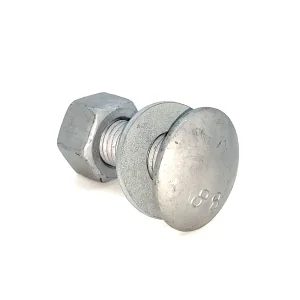
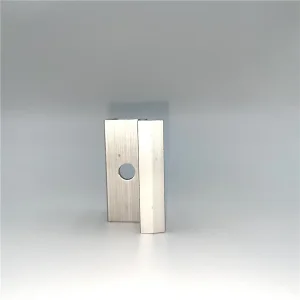
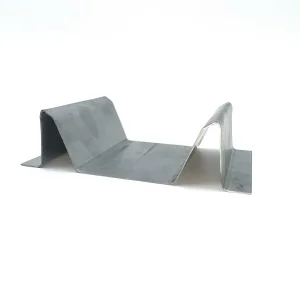
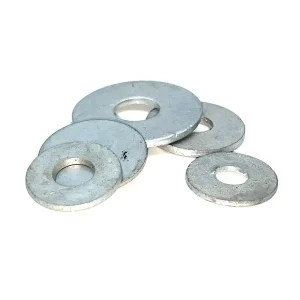
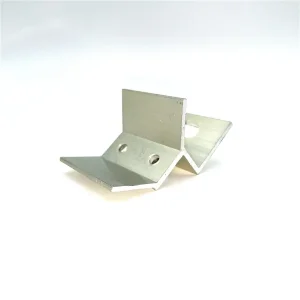
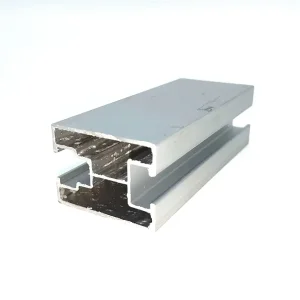
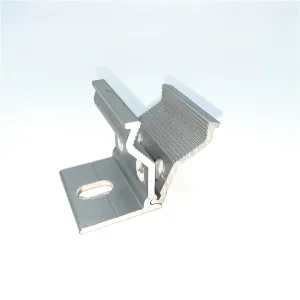
Explore our complete product spectrum, including heavy carriage bolts, aluminum rail clamps, stainless pressure washers, and water drainage profiles engineered to meet rigorous global structural thresholds.
Request Engineering Blueprints, CAD Specifications & Factory Samples
Connect directly with our senior MEP product specialists and fastener engineers. We review isometric mechanical drawings, execute custom molding calculations, and deliver certified laboratory testing reports to support your commercial tenders.