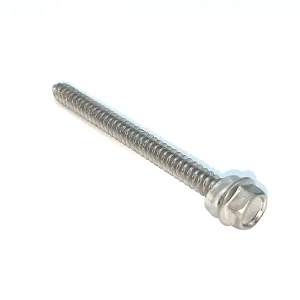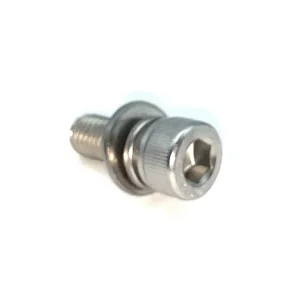
China China Suppliers Factory Stainless Steel Hex Socket Combination Bolt with Washer - Corrosion Resistant and Durable Suppliers, Company
Inquire Specification
Engineered to ensure zero slippage, continuous grounding compliance, and superior wind-load structural resistance on rooftop and utility-scale solar arrays.

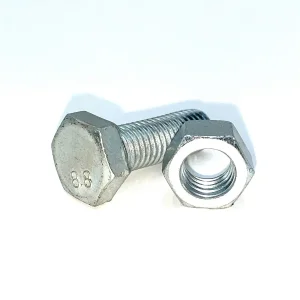
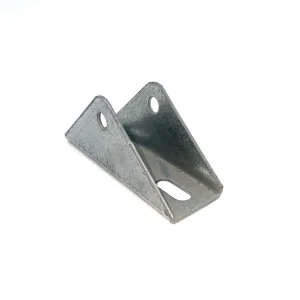
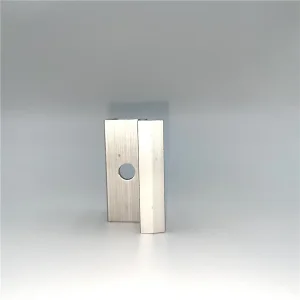
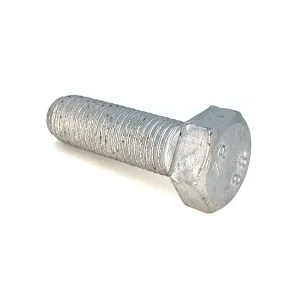
A comprehensive technical analysis of mechanical shear stress distribution, micro-crack prevention, galvanic corrosion barriers, and module clamping dynamics.
In modern photovoltaic installations, the mid clamp serves as the structural pivot connecting adjacent framing profiles to aluminum rails. Substandard clamps with improper surface geometry create localized high-pressure stress peaks on solar frames. Over a project lifecycle of 25+ years, wind-induced cyclonic dynamic vibration and alternating snow loads generate cyclical fatigue, triggering silicon cell micro-cracks and premature busbar failure.
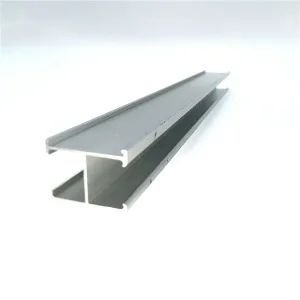
Our precision mid clamps are extruded utilizing premium AL6005-T5 and AL6063-T6 anodized aluminum alloys, featuring calibrated ribbed tooth contact profiles. When torqued to standard assembly ratings (typically 12–15 N·m), our clamp heads provide an even compressive pressure across module flanges (ranging from 30mm to 50mm frame thicknesses). This design absorbs thermal expansion variables without distorting the anodized perimeter of double-glass and bifacial modules.
Extrusion profiles conform strictly to global tensile parameters, safeguarding the array across extreme temperature cyclings (-40°C to +85°C):
Why leading renewable energy utilities and international EPC contractors enforce stringent vetting protocols for mid clamp fasteners and mounting brackets.
Global projects require 100% material heat-batch traceability (EN 10204 Type 3.1 Inspection Certificates) covering chemical composition, elongation rates, and mechanical pull-out tests to satisfy insurer warranty mandates.
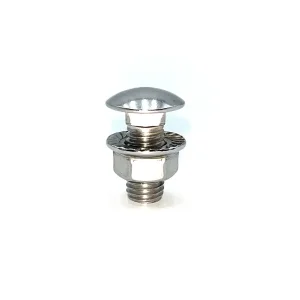
Labor constitutes upwards of 35% of installation overheads. EPCs demand mid clamps pre-assembled with spring washers, stainless T-bolts, and ground clips to cut on-site handling time by over 40% per megawatt.
Procurement departments require standardized clamp profiles compatible with diverse racking configurations (C-channel, hat-shaped rails, and trapezoidal sheet mounts), avoiding project-specific tooling lockdowns.
Headquartered in China's Fastener Capital, Handan Youlong Fastener combines vertical integration, deep raw material access, and massive economies of scale.
Direct proximity to Hebei’s major metallurgical corridors ensures predictable billet delivery times and bulk raw-material purchasing price shields, even during global metal market fluctuations.
Our multi-station cold-forging machines produce standard and customized DIN/ISO bolts up to 500,000 units daily, maintaining precise dimensional concentricity and clean thread engagement.
With sustained annual production capacities and dedicated container consolidation hubs near Tianjin and Qingdao ports, we guarantee swift dispatch for urgent utility delivery milestones.
Structural validation against stringent international building codes, electrical bonding protocols, and corrosive micro-climates.
| Target Region | Key Regulatory Standard | Technical Fastener & Clamping Requirement | Youlong Factory Compliance Solution |
|---|---|---|---|
| North America (US & Canada) | UL 2703 / ASCE 7-22 | Integrated grounding bonding & high wind uplift rating (140+ mph) | Stainless steel grounding pins pre-embedded into mid clamp jaws; ETL/UL compatible testing reports. |
| European Union (EU) | Eurocode 9 (EN 1999-1-1) & CE Mark | Aluminum structural safety factor verification under dynamic snow loads | AL6005-T5 certified yield performance; factory production control audits per EN 1090 standards. |
| Australia & New Zealand | AS/NZS 1170.2 / AS 4777 | Cyclonic wind region suitability & marine atmosphere corrosion defense | 316-grade stainless hardware combinations with 1000+ hour salt spray testing for coastal applications. |
| Middle East & North Africa (MENA) | IEC 61215 / Desert Abrasion | Thermal expansion fatigue tolerance (-10°C to +75°C) & sand resistance | Heavy-duty anodizing (≥15μm) preventing galvanic breakdown in alkaline/arid soil installations. |
Tailored structural configurations designed to resist environment-specific mechanical vectors.
Trapezoidal sheet and standing seam roofs utilize compact mid clamps paired with stainless self-drilling screws and EPDM isolation gaskets. This eliminates galvanic electrolysis between aluminum clamps and zinc-coated steel roofing while ensuring reliable watertight integrity.
Subjected to wind vortex shedding and ground shifting, large solar parks rely on heavy-duty mid clamps mated to 3040/4040 aluminum guide rails. Factory-torqued combination bolts with lock washers prevent nut backing caused by continuous cyclic turbulence.
In solar carports and building-integrated applications, mid clamps interface seamlessly with M-type water channels. Engineered drainage clearances divert rainwater run-off between adjacent panels while delivering clean architectural aesthetic lines.
How automation, thinner glass laminates, and high-wattage wafer formats are transforming mounting component engineering.
With the surge in bifacial double-glass modules featuring 2.0mm or thinner tempered sheets, clamp engineering has shifted toward continuous EPDM-cushioned mid clamps that secure modules firmly without metal-to-glass contact points, drastically curbing edge breakage.
To address rising on-site labor rates worldwide, next-generation clamps employ spring-actuated snap-fit locking pins. Installers insert and lock mid clamps into the upper rail slot with a single 90-degree twist, cutting structural installation times by up to 50%.
For extreme coastal and agrivoltaic ammonia exposures, manufacturers are complementing aluminum mid clamps with Zinc-Aluminum-Magnesium (ZAM) coated fasteners. ZAM coatings offer self-healing edge passivation that surpasses standard hot-dip galvanizing by 3 to 5 times.
Direct technical answers from our chief engineers covering torque specs, galvanic separation, material testing, and OEM customization.
Heavy-duty concrete anchors, precision pressure plates, stainless combination screws, and roof attachments for infrastructure systems.