
Direct OEM Catalog
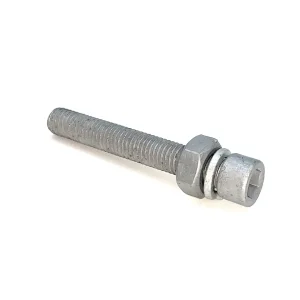
Certified Hardware & Mounting Interface Components
Engineered for electrical utility meter bases, solar PV combiners, and robust mechanical structures. Explore our standard inventory ready for bulk global dispatch.
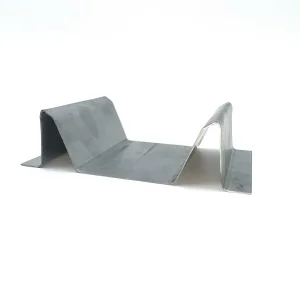
Best Durable M-Type Aluminum Water Channel for Solar Projects - Rainwater Drainage Solutions
Explore Product Details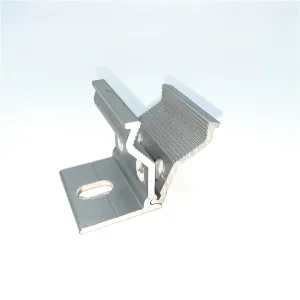
Best China Suppliers Factory Aluminum Clip Lock for Metal Roof Solar PV Installation
Explore Product Details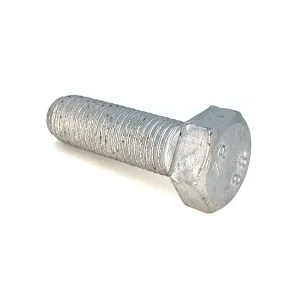
China Heavy-Duty Hot-Dip Galvanized Hex Bolt | High-Strength Carbon Steel Structure Anchor
Explore Product Details
Buy Heavy-Duty Hot-Dip Galvanized Hex Bolts from China Suppliers – Reliable Engineering Fasteners
Explore Product Details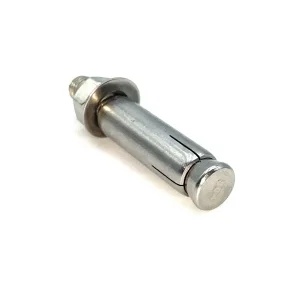
Best Heavy-Duty Stainless Steel Expansion Bolt Suppliers - Corrosion-Resistant Concrete Fasteners
Explore Product Details
Best China Suppliers Factory Aluminum Clip Lock for Metal Roof Solar PV Installation Supplier
Explore Product Details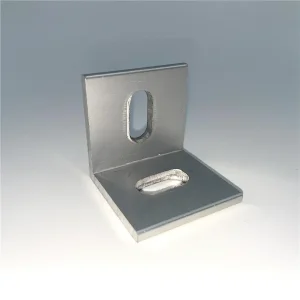
Buy China Suppliers High-Quality Solar PV Aluminum Alloy Angle Bracket - Durable & Lightweight
Explore Product Details
Industry Whitepaper
Engineering Precision in Meter Base Connectors & Enclosure Fasteners
Understanding the convergence of structural stability, conductivity integrity, and extreme weather mitigation across modern electric metering infrastructure.
Mechanical Load & Vibration Resistance
Modern meter base enclosures deployed in high-stress utility environments demand torque retention under severe thermal expansion cycles. Precision-engineered connector bolts and carriage fasteners maintain clamping pressure across extreme temperature fluctuations from -40°C to +85°C.
Galvanic Neutrality & Conductivity
Meter bases often couple dissimilar alloys—such as aluminum enclosure tabs to galvanized steel backplates or copper busbars. Employing specialized stainless steel grades (304/316) with passivated surfaces prevents accelerated bimetallic corrosion and catastrophic arcing.
Environmental Ingress & NEMA Standards
Connectors bridging meter bases to PV arrays or grid hookups must meet strict NEMA 3R/4X and IP65/IP67 ingress ratings. Specially formed sealing flanges, integrated EPDM bonded washers, and high-precision threading eliminate moisture infiltration in heavy condensation environments.
300K+
Metric Tonnes Shipped
100+
Global Tier-1 Partners
10+
Years Engineering Expertise
C5-M
Marine Anti-Corrosion Rating
Global Manufacturing Core
Why Global Leaders Source Meter Base Connectors from China
Rooted in Handan (Yongnian District)—internationally recognized as China's Fastener Capital—our manufacturing ecosystem delivers unparalleled supply chain agility and cost-performance ratios.
Vertical Metallurgy & Raw Material Access
Direct proximity to premier steel mills and high-grade aluminum smelting hubs lowers raw input costs while securing uninterrupted supply. From initial cold-heading wire rods to extruded 6005-T6 aluminum alloys, raw material integrity is certified via batch spectrometry.
Automated Multi-Stage Cold Heading & CNC
Our facility operates multi-station high-speed cold formers and automated stamping presses capable of producing over 1,200 parts per minute. Complex meter base lug connectors and slotted brackets undergo multi-axis CNC secondary finishing for micrometer-grade tolerances.
Surface Finishing & Environmental Salt Spray
In-house hot-dip galvanizing, Dacromet coating, and anodizing lines allow custom surface thickness tailored to project lifespans. We consistently achieve 1,000+ hours in neutral salt spray (ASTM B117) testing without white or red rust development.
Agile Tooling & Rapid Customization
Engineers convert CAD/STEP files into production tooling within 7–10 working days. OEM custom profiles, specific thread pitches, hole configurations, and proprietary locking ribs are prototyped and verified prior to utility-scale volume stamping.
Engineering Data Matrix
Meter Base Connector & Structural Hardware Performance Standards
Comparative metallurgical and functional specifications for engineers, EPC project developers, and strategic supply chain auditors.
| Connector & Fastener Type | Material Grade | Tensile Strength (MPa) | Surface Treatment | Outdoor Corrosion Rating | Primary Industrial Use |
|---|---|---|---|---|---|
| Hex Socket Base Connector | Carbon Steel (Gr 8.8 / 10.9) | 800 – 1040 MPa | Black Oxide / Zinc Flake | ISO 9223 C2 - C3 | High-Torque Internal Electrical Enclosure Mounting |
| Hot-Dip Galvanized Hex Bolt | Structural Carbon Steel (Q235B / 45#) | 400 – 600 MPa | HDG (≥85μm Zinc Coating) | ISO 9223 C4 - C5 | Exterior Substation Poles, Heavy Utility Mounts |
| Stainless Steel Expansion Anchor | AISI 304 / 316 Austenitic SS | 700 – 850 MPa | Passivated Clean Finish | ISO 9223 C5-M (Marine) | Concrete Foundation Anchoring for Metering Cabinets |
| Extruded Rail & Bracket Clamp | AL6005-T6 / AL6063-T5 | ≥260 MPa Yield | Anodized (≥12μm Film) | High Atmospheric Resistance | Rooftop BIPV & Solar Inverter/Meter Structural Racks |
| Carriage Bolt Anti-Spin Assembly | AISI 304 / Carbon Steel | 500 – 750 MPa | Electro-Galvanized / Geomet | ISO 9223 C3 | Slotted Enclosure Brackets, Tamper-Resistant Bases |
Macro Solutions
Localized Application Scenarios in Modern Electrical & Green Energy Grids
How our hardware seamlessly integrates into modern energy storage, utility metering centers, and demanding decentralized generation environments.
Utility-Scale Solar & Microgrid Metering
Distributed solar plants demand specialized metering interfaces where dynamic alternating voltages encounter extreme outdoor sun and rain. Our connectors link PV string combiners directly to grid revenue meters, preventing micro-vibration disconnections caused by wind harmonics.
Commercial EV Fast Charging Infrastructure
Level 3 DC fast charging parks require high-amperage meter bases that generate substantial magnetic flux and heat. Utilizing high-tensile, non-magnetic stainless expansion bolts and secure angle brackets prevents inductive heating within the enclosure chassis.
Industrial Smart Grid Retrofitting
Modernization of legacy factories requires retrofitting smart IoT meter hubs onto older concrete or steel stanchions. Our three-hole mounting connectors and multi-size expansion anchors allow rapid, no-drill or minimal-impact retrofitting without structural downtime.
Procurement Intelligence
What Tier-1 EPCs and Global Utilities Evaluate
A roadmap for procurement directors handling high-volume overseas tenders for electrical meter bases and mounting hardware.
Mill Test Certificates (EN 10204 3.1)
Traceability is paramount. Every production run must be traceable back to the raw billet chemistry, detailing carbon equivalents, yield strengths, elongation percentages, and hardness metrics. This guarantees full compliance with local building and electrical codes.
Packaging, Barcoding & Job-Site Sorting
Utility projects cover large geographic footprints. Tier-1 buyers require sub-kitting, color-coded weatherproof labeling, and palletized bulk shipments ready for instant crane deployment without sorting delay at the substation or solar field.
ESG, CBAM & Carbon Accounting
European and North American importers face stringent carbon boundary mechanisms. Working with factories powered by certified clean energy microgrids and utilizing recycled scrap alloy reduces embedded carbon taxes and satisfies ESG audit trails.
Expert Inquiries
Frequently Asked Questions (FAQ)
Direct technical answers for engineers and purchasing managers regarding meter base connectors, standards, and factory direct ordering.
What materials are best suited for coastal meter base connector installations?
For coastal environments classified as ISO 9223 C4 to C5-M, Grade 316 (A4) austenitic stainless steel is strongly advised due to its molybdenum content (2-3%), which resists chloride pitting. For heavier structural connections, hot-dip galvanized steel with a coating thickness exceeding 85 microns provides a sacrificial barrier.
How do you mitigate galvanic corrosion between aluminum meter boxes and steel connectors?
We supply UV-stabilized EPDM or insulating nylon washers combined with zinc-nickel or Dacromet-coated fasteners. These non-conductive barriers physically isolate the aluminum substrate from the carbon steel, eliminating electrolytic electron transfer when moisture is present.
What is the standard lead time for OEM custom drawings and tooling?
Standard custom tool development takes 7 to 10 working days. First-article samples are dispatched via express courier within 3 to 5 days after tooling completion, accompanied by full dimensional CMM inspection and raw material spectral analysis reports.
Can you accommodate mixed container orders of solar rails and fastener hardware?
Yes. Our integrated warehouse facilities in Handan allow full consolidation of extruded aluminum rails, stamped water channels, and heavy steel anchor bolts into unified 20GP or 40HQ container shipments, significantly minimizing sea freight and port handling overhead.
Engineered Inventory
Mounting Connectors & Solar Fastener Series
Browse additional standardized brackets, purlin splices, and high-tensile pressure plates precision-manufactured for long-term field endurance.
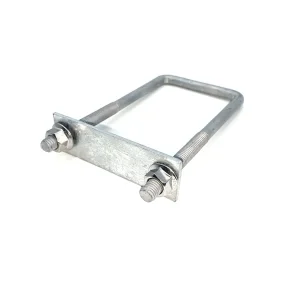
Buy High-Strength Solar PV Double-Hole Pressure Plate - Durable Aluminum Alloy
Explore Product Details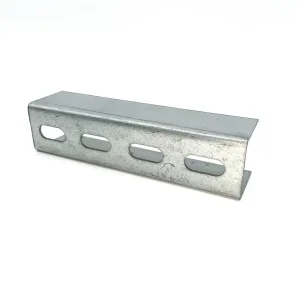
China Solar PV Mounting Purlin Connector Factories, Company Engineering Hardware
Explore Product Details
Buy China Solar PV Aluminum Alloy Angle Bracket | Durable Factory for Photovoltaic Mounting
Explore Product Details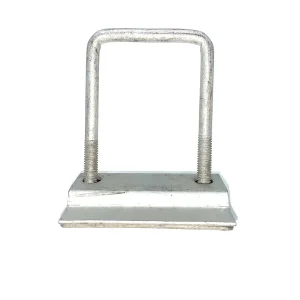
Buy High-Strength Double-Hole Pressure Plate for Solar PV Mounting - Top China Suppliers
Explore Product Details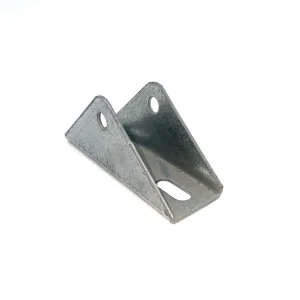
China Factory Premium Three-Hole Mounting Connector for Solar PV Systems – Top Suppliers
Explore Product Details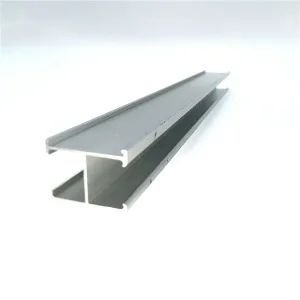
Best Premium 3040 Aluminum Alloy Solar PV Guide Rail from China Suppliers - Factory Systems
Explore Product Details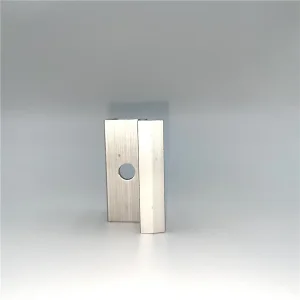
Best Premium Aluminum Side Clamp for Solar PV Panels - Robust Installation Solutions
Explore Product Details