
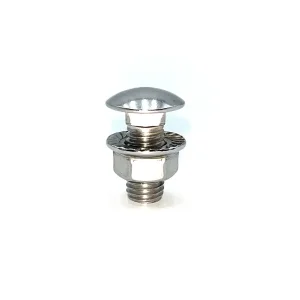
Direct-Attach Mechanical Components
Featured PV Mounting Brackets & Structural Hardware (Part I)
Standardized, high-tensile components engineered for direct module attachment, roof clamping, and rigid concrete ballast integration.
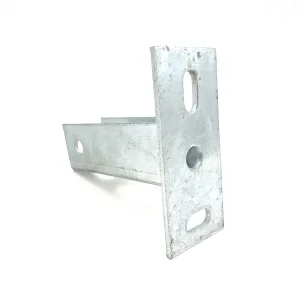
PV Mounting
Best High-Strength Solar PV Mounting Aluminum Alloy Base - Reliable Support from China Suppliers & Factory Factories, Company
Explore Product Specifications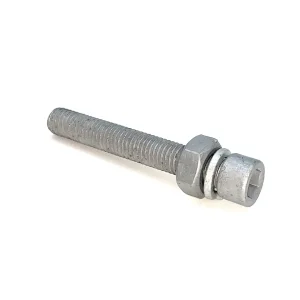
Structural Bolts
China High-Strength Hex Socket Bolt - Durable Carbon Steel Fasteners from China Suppliers & Factory for Machinery and Construction Product, Products
Explore Product Specifications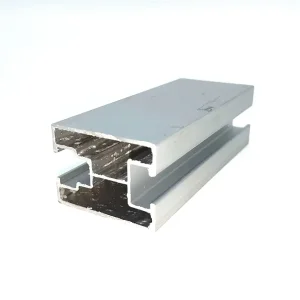
Extruded Rail
Buy China 3040 Reinforced Aluminum Guide Rail for Solar PV Mounting - High Strength, Durable Suppliers & Factory Supplier, Company
Explore Product Specifications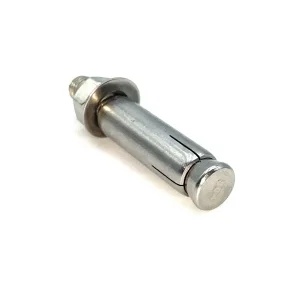
Anchors
Buy China Stainless Steel Expansion Bolt Suppliers - Heavy-Duty Corrosion-Resistant Factory Fasteners for Construction Manufacturer, Suppliers
Explore Product Specifications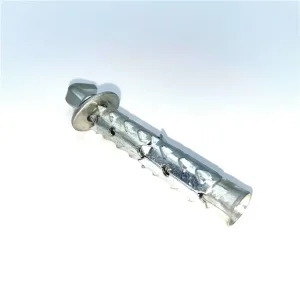
Heavy Anchor
Best Heavy-Duty Fish Scale Expansion Bolt - High-Strength Carbon Steel from China Suppliers and Factory for Stable Installations Manufacturer, Company
Explore Product Specifications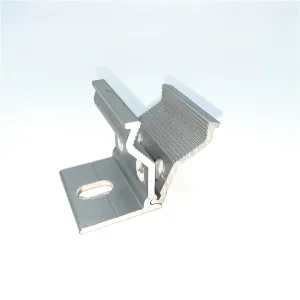
Direct Clamp
Best China Suppliers Factory Aluminum Clip Lock for Metal Roof Solar PV Installation Supplier, Companies
Explore Product Specifications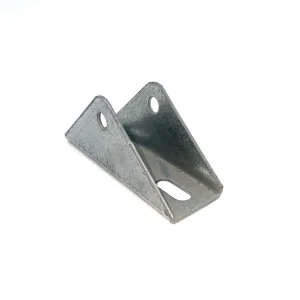
Connectors
Best Solar PV Three-Hole Mounting Connector Factory, Product
Explore Product Specifications
Structural Engineering Monograph
The Engineering Paradigm Shift: Why Rail-Free Integrated Fixtures Dominate Utility & C&I Solar
Analyzing structural load pathways, mass reduction physics, and balance-of-system (BOS) financial economics in modern photovoltaic installations.
In utility-scale and commercial rooftop photovoltaic (PV) engineering, the relentless drive toward reducing Levelized Cost of Electricity (LCOE) has exposed fundamental inefficiencies in traditional long-rail racking systems. Conventional continuous aluminum guide rails—typically stretching 3.2 to 4.8 meters per module string—introduce parasitic dead load, substantial aerodynamic shear stress, and complex thermal expansion friction. As solar developers face escalating logistics expenditures, tightening roof load-bearing constraints, and critical on-site skilled labor shortages, the global PV mounting landscape has accelerated toward Integrated Rail-Free Fixtures.
An integrated rail-free fixture operates as a concentrated, high-shear mechanical node that mounts directly onto the building envelope—such as standing seam metal roofs, trapezoidal sheets, or concrete ballast blocks—while simultaneously clamping and bonding module frames. By eliminating continuous extrusion rails, this architecture reduces structural dead load from 18–25 kg/m² down to 7–11 kg/m², directly mitigating the risk of roof structural fatigue, purlin deflection, and micro-cracking across high-efficiency N-type TOPCon and Heterojunction (HJT) cells caused by structural flexing under cyclic wind flutter.
Key Engineering Finding: Dynamic boundary layer wind tunnel testing confirms that low-profile, integrated rail-free fixtures compress the roof-to-module clearance to an optimized aerodynamic envelope (typically 65mm–95mm). This profile suppresses underneath boundary vortices, lowering catastrophic wind uplift coefficients ($C_p$) by up to 28% compared to elevated continuous-rail profiles.
Material Integrity: AL6005-T6 & AL6082-T6
Extruded from structural aerospace-grade aluminum alloys, our fixtures exhibit tensile yield strengths exceeding 260 MPa. Precision heat treatment guarantees grain refinement that completely prevents stress-corrosion cracking along micro-extrusion lines under continuous tensile pre-loads.
Integrated Electrical Grounding (UL 2703)
Each fixture incorporates stamped SUS304 sharp micro-bonding teeth that pierce the anodized barrier (15μm–25μm) of module frames. This establishes a certified low-resistance equipotential bonding path (<0.1 Ω) across the entire PV array without requiring external ground wiring at every clamp.
Zero-Penetration EPDM Hermetic Sealing
For metal roof interfaces, vulcanized closed-cell EPDM pads containing non-migrating plasticizers are pre-laminated onto the fixture base. They deliver hermetic weather-tight seals under extreme thermal cyclic excursions (-40°C to +120°C) with zero leak ingress over 25+ years.
Global Macro Industry Trends
Global Commercial & Industrial Status: The Logistics and Labor Imperative
How container shipping container volumetric efficiency and escalating field technician costs are catalyzing rail-free structural adoption globally.
The global renewable energy procurement environment has transformed. EPC contractors and asset owners in North America, Western Europe, Australia, and Latin America face two intensifying operational bottlenecks: volatile maritime freight expenditures and staggering commercial installation labor costs. Traditional 4-meter aluminum rails occupy enormous volumetric space in standard 40ft High-Cube shipping containers, often hitting volumetric capacity long before weight thresholds are met—effectively causing developers to pay for shipping air.
By contrast, compact integrated rail-free fixtures compress freight volume by up to 78%. A single 40ft container that previously accommodated racking hardware for roughly 1.8 MW of PV capacity can easily transport rail-free mounting systems for 7.5 to 9 MW. On the roof, crane lifting times and logistical crane rentals are minimized. Field crews no longer need to carry long, hazardous extrusions across roof perimeters in high-wind conditions.
BOS Financial & Operational Comparison
- Shipping Volume (Per 1MW Array): ~8.5 m³ vs. 38.0 m³ (Rail-Free -77%)
- Array Rooftop Dead Load: ~8.2 kg/m² vs. 19.5 kg/m² (58% lighter)
- Mechanical Fastening Count: Decreases by ~45% (Integrated clamping)
- Installation Velocity (MW/day/crew): +35% to +50% faster string turnover
- Embodied Carbon Footprint: Reduced by ~62% per watt peak
Multi-Climate Structural Topology
Localized Application Scenarios & Tailored Engineering Solutions
Optimizing clamping geometries to match regional roofing profiles, high-wind zones, seismic exposure, and intense marine corrosion.
Standing Seam Commercial Roofs
Non-penetrative friction-lock clamps tailored to profiles such as Butler MR-24, Klip-lok 700, and Kalzip. Utilizes round-point stainless grub screws to securely anchor onto seams with zero envelope piercing, maintaining roof warranties intact.
Trapezoidal & Corrugated Metal Sheets
Micro-rail direct fixtures fastened directly into sheet metal crowns using self-drilling bimetallic screws (AISI 304 bodies with case-hardened carbon tips). Pre-adhered EPDM gaskets suppress thermal vibration and eliminate micro-fretting corrosion.
Coastal Cyclone & Typhoon Belts
Engineered for ASCE 7-22 and AS/NZS 1170.2 Region D standards. Tested under extreme wind speeds exceeding 60 m/s (216 km/h). Thickened alloy clamp flanges distribute high negative uplift pressure across module frames without local distortion.
BIPV & Waterproof Solar Carports
Synergized with our proprietary M-Type aluminum water channels. Rail-free fixtures double as drainage channel anchors, ensuring 100% waterproof seal performance across expansive logistics hubs, EV charging canopies, and architectural carports.
Industrial Cluster Resilience
Handan Factory Cluster: Vertical Precision & Supply Chain Hegemony
Leveraging the structural infrastructure of Yongnian District, Handan—China's Fastener Capital—to deliver uncompromised quality and rapid throughput.
300,000+
Metric Tonnes Shipped
Cumulative global infrastructure delivery
10+
Years Engineering
Deep focus on PV hardware and fasteners
50+
In-House Engineers
Tooling design, FEA, and metallurgy specialists
100+
Global Tier-1 Clients
EPC contractors & distributors worldwide
Fully Vertical Ecosystem
From aluminum billet smelting and high-tonnage precision extrusion to automated multi-station cold heading and CNC tapping, our facility controls the entire manufacturing chain under one roof, guaranteeing 100% traceability.
Advanced Surface Finishing
In-house automated anodizing lines control anodic oxide thickness from standard AA10 (10μm) up to marine-grade AA25 (25μm), achieving salt spray resistance in excess of 1,500 hours (ASTM B117) for extreme C4 and C5 coastal conditions.
Rapid OEM Tooling Velocity
Equipped with high-precision EDM wire cutting and CAD/CAM modeling, our engineering team manufactures custom extrusion dies and fixture prototypes within 7 to 10 days, compressing time-to-market for bespoke EPC projects.
Material Science Verification
Structural Parameters & Mechanical Testing Benchmarks
Standardized engineering specifications for Youlong's integrated rail-free product matrix, verified under international testing protocols.
| Performance Parameter | Material / Standard | Technical Benchmark / Value | Engineering Benefit |
|---|---|---|---|
| Primary Fixture Body | Extruded AL6005-T6 Alloy | Tensile Yield ≥ 260 MPa; Hardness ≥ 14 HW | Ultra-light structural strength; zero brittle cracking under heavy load |
| Anodization Protection | Sulfuric Acid Anodizing (ISO 7599) | Thickness 12μm – 25μm (Class AA15 / AA25) | Guaranteed long-term corrosion prevention in coastal & desert environments |
| Grounding Pins / Clips | AISI 304 (A2) Stainless Steel | Sharpened Conical Teeth, Contact Resistance < 0.1 Ω | Full UL 2703 compliance; cuts copper wire grounding installation labor |
| Weatherproofing Gasket | Vulcanized EPDM Matrix | Shore A Hardness 65±5, -40°C to +120°C range | Prevents metal-to-metal fretting; guaranteed 25-year waterproofing |
| Fastener Bolts & Screws | Bi-metal SUS304 / Hardened Tip | Torsional Shear ≥ 18.5 Nm; Pull-Out ≥ 3.8 kN | Fast single-step self-drilling without pre-punching sheet metal |
| Static Mechanical Loading | IEC 61215-2 / ASCE 7-22 | Downforce ≥ 5,400 Pa; Uplift ≥ 2,400 Pa | Withstands extreme snow pack and Category 4/5 hurricane wind forces |
Next-Gen Innovations
Technology Roadmap & Future Outlook (2026–2030)
Anticipating emerging cell technologies, bifacial module gain optimization, and smart automated racking mechanics.
Optimized Albedo for Bifacial Modules
Continuous guide rails physically obscure 8% to 15% of the rear surface of bifacial PV modules. Our future rail-free fixture roadmap features ultra-compact shadow-free clamping profiles that liberate the module underside, maximizing rear-side irradiance yield and delivering an extra 3% to 5% bifacial energy gain.
Zinc-Aluminum-Magnesium (ZAM) Hybrids
To further curb carbon intensity, Youlong is pioneering hybrid micro-rail components utilizing next-generation ZAM (Zn-Al-Mg) coated high-strength structural steel (yielding ≥ 420 MPa). ZAM's revolutionary self-healing cut-edge behavior provides superior corrosion endurance at a 20% lower embodied cost than pure aluminum extrusions.
AI-Assisted Structural Topology & FEA
Integrating generative structural AI algorithms into our CAD/FEA workflows enables algorithmic material removal from non-stress zones. This yields organic hollow-chamber fixture profiles with superior moment of inertia, shaving an additional 12% off individual unit weight while preserving full mechanical load ceilings.
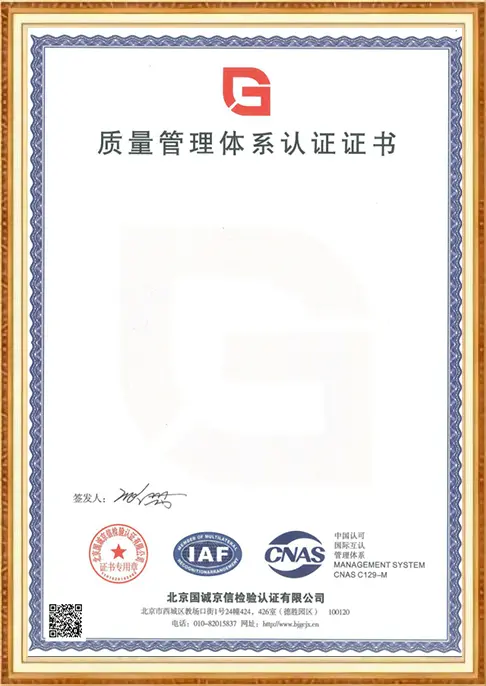
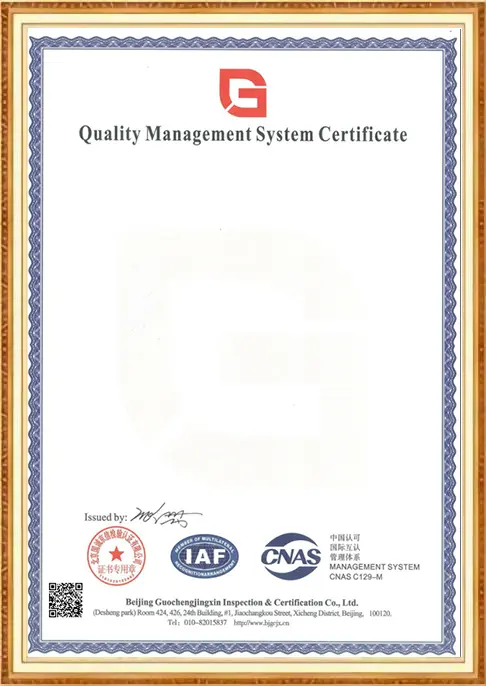
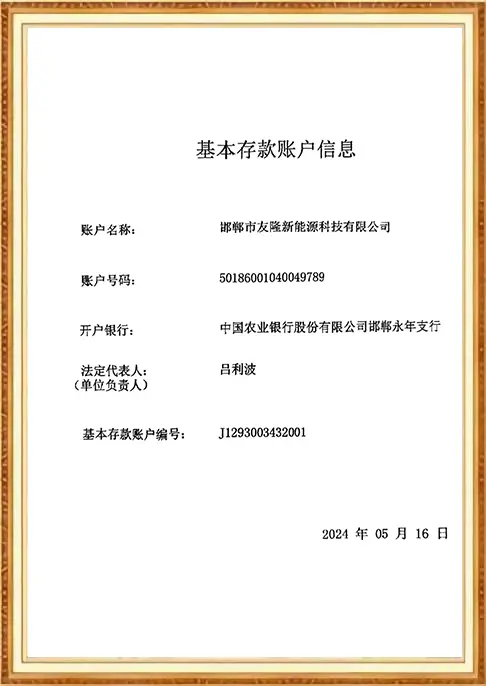
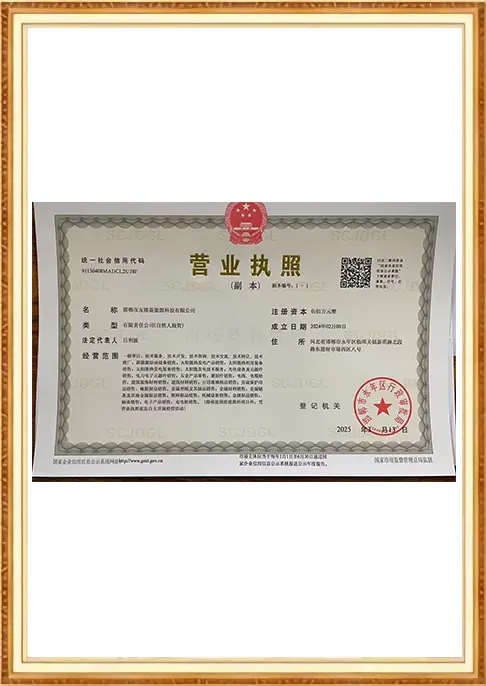
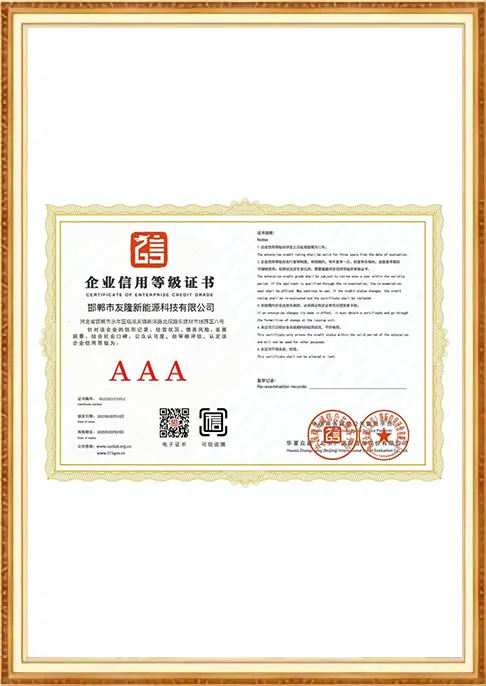
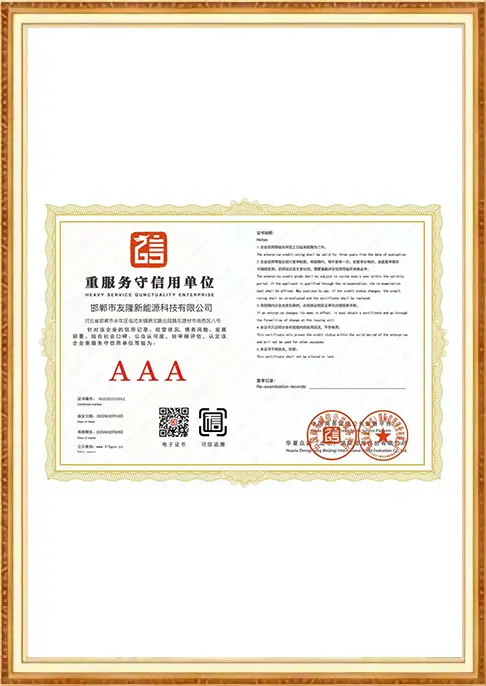
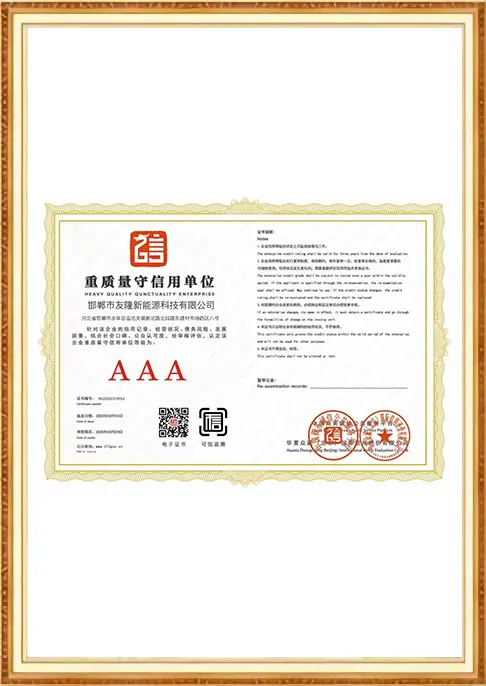
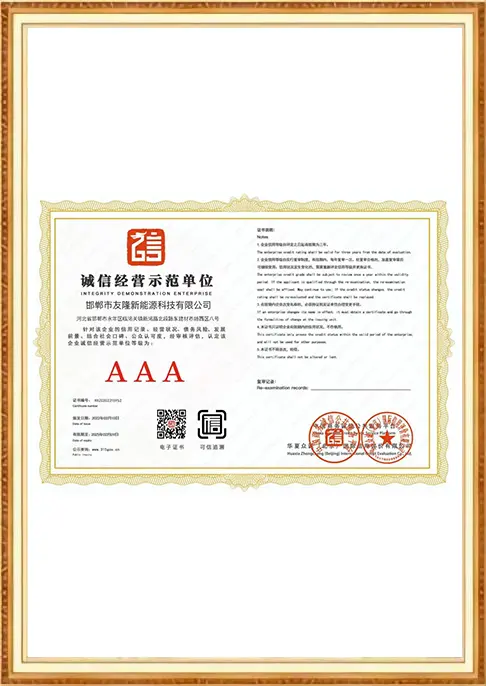
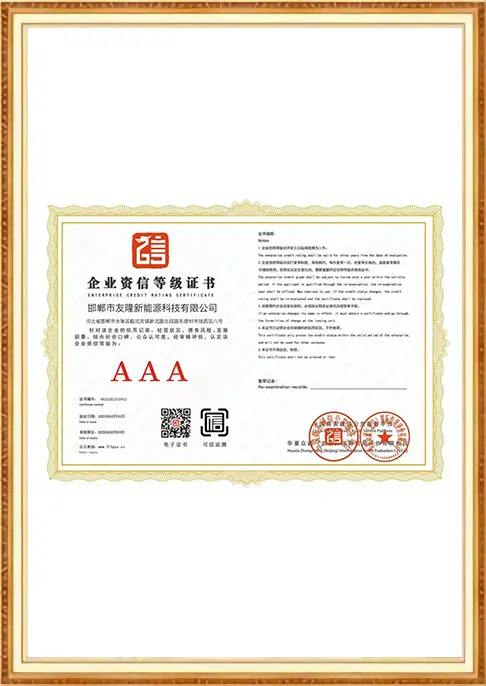
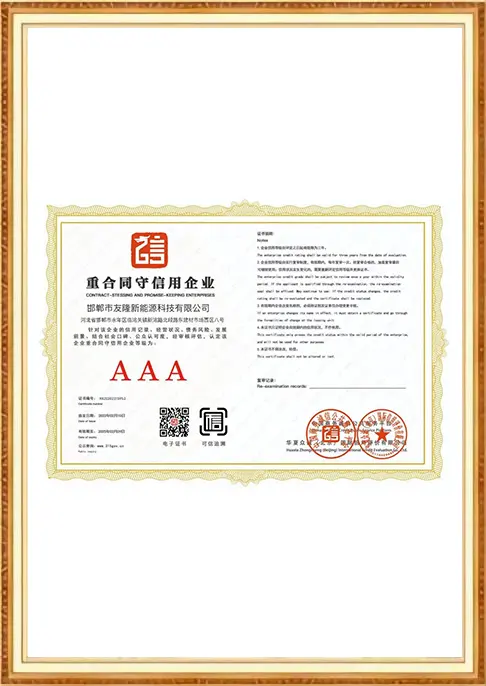
Rigorous Supplier Auditing
Audited Quality Systems & Global Compliance Assurance
Every production lot is validated through destructive tensile tests, metallurgical spectrometer audits, and neutral salt spray validation.
Technical Clarifications
Frequently Asked Engineering & Procurement Questions
Addressing structural reliability, galvanic isolation, thermal behavior, and international export logistics.
How does an integrated rail-free system accommodate thermal expansion across long PV arrays?
In continuous-rail systems, continuous metal lengths of 20 to 50 meters generate cumulative thermal expansion, resulting in shear stress that can loosen fasteners or bow modules under large diurnal temperature swings. Integrated rail-free fixtures mount each module as an independent mechanical unit. Thermal expansion is localized strictly to individual panel frame dimensions (~2.3m max), completely eliminating cumulative array expansion stresses and thermal fatigue on roof purlins.
How do Youlong's rail-free clamps prevent galvanic corrosion between aluminum and steel?
Galvanic potential differences between aluminum (anodic) and carbon steel (cathodic) can accelerate galvanic oxidation when moisture is present. Youlong utilizes two distinct engineering protections: (1) Thick vulcanized closed-cell EPDM pads physically decouple aluminum clamp bodies from steel sheet metal; and (2) All hardware bolts are manufactured from 304/316 stainless steel with specialized passivation, or treated with Delta-Protekt zinc flake barrier coatings that suppress electrical potential differences.
Does a rail-free installation meet UL 2703 equipment grounding and bonding requirements?
Yes. Our integrated rail-free fixtures are engineered with integrated SUS304 sharp bonding teeth. When the mid-clamp or end-clamp is torqued to specified values (typically 12–15 Nm), these conical teeth pierce the non-conductive anodized surface oxide layer of the module frame. This establishes a continuous low-resistance metal-to-metal electrical bond across adjacent modules, fully qualifying under UL 2703 standards without requiring bare copper jumper leads.
What minimum pull-out resistance is guaranteed on trapezoidal roof sheet attachments?
Using our bimetallic self-drilling screws anchored into 0.6mm (24-gauge) structural steel sheet, our laboratory tests verify average ultimate tensile pull-out values exceeding 3.85 kN per fastener point. When mounted via our standard four-fastener micro-rail bracket, the fixture node delivers over 15 kN of ultimate uplift resistance, providing a safety factor exceeding 2.5 under design wind load conditions of 2,400 Pa.
What is the typical manufacturing lead time for custom OEM fixture extrusions?
From finalized 2D/3D engineering drawings, custom aluminum extrusion tooling is completed within 7 to 10 working days. First-article samples with full CMM inspection reports are dispatched via express air courier within 3 days of die qualification. Full container mass production typically ships within 15 to 20 business days from our Handan production hub.
Infrastructure Hardware Matrix
Featured PV Mounting Brackets & Structural Hardware (Part II)
Precision washers, heavy-duty structural bolts, water diversion channels, and aluminum angle brackets designed for comprehensive array stability.
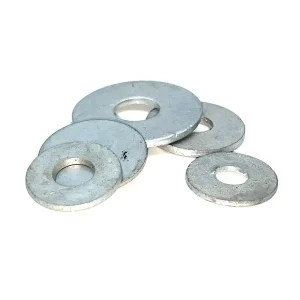
Washers
China High-Quality Stainless Steel Flat Washer - China Suppliers Factory for Corrosion Resistance and Fastening Solutions Manufacturers, Products
Explore Product Specifications
PV Bases
China High-Strength Solar PV Mounting Aluminum Alloy Base from China Suppliers & Factory for Stable Support Manufacturer, Factory
Explore Product Specifications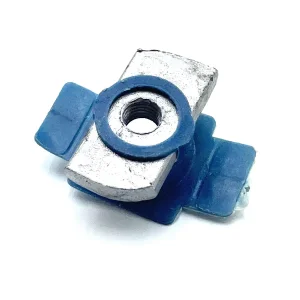
Accessories
China Ergonomic Labor-Saving Plastic Wing Nut - Tool-Free Fastening | China Suppliers & Factory Best Quality Suppliers, Companies
Explore Product Specifications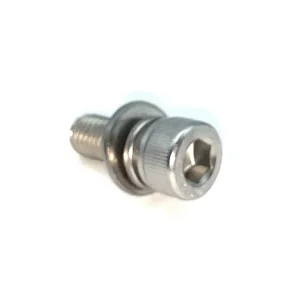
SEMS Bolts
Buy China Factory Suppliers Stainless Steel Hex Socket Combination Bolt with Built-in Washer, Anti-loosening and Corrosion Resistant Manufacturer, Companies
Explore Product Specifications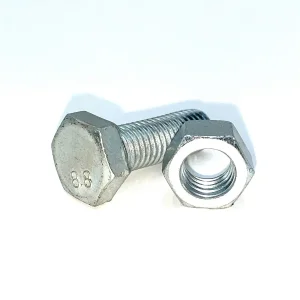
Heavy Bolts
Buy High-Strength Hex Bolt from China Factory - Reliable Fastening Solutions by Trusted Suppliers Manufacturers, Suppliers
Explore Product Specifications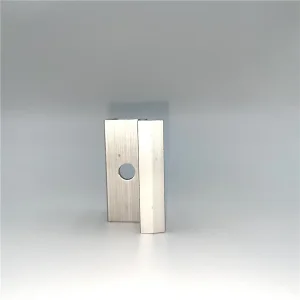
Module Clamps
Buy Premium Aluminum Side Clamps for Solar PV Panels - China Suppliers & Factory for Reliable Mounting Solutions Suppliers, Factories
Explore Product Specifications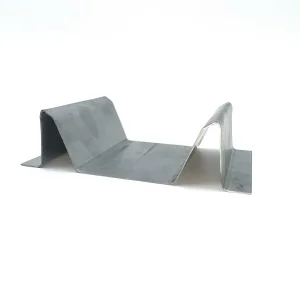
Water Channels
Best China Suppliers M-Type Aluminum Water Channel for Solar PV Mounting Systems – Durable, Corrosion-Resistant Factory Product Suppliers, Company
Explore Product Specifications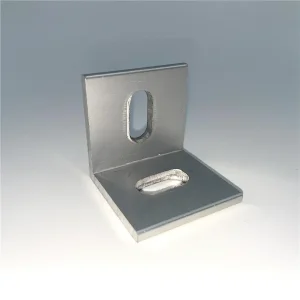
Brackets