
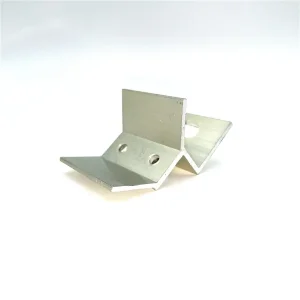
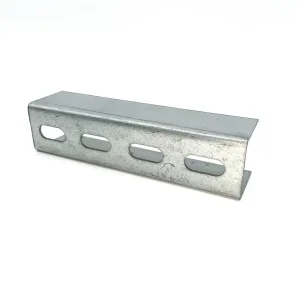
Trapezoidal Metal Roof Clamp for Solar PV Installation
View Product Spec
Direct supply from Yongnian fastener hub: certified foundation anchor components and solar structural hardware engineered for extreme wind shear and tensile reliability.
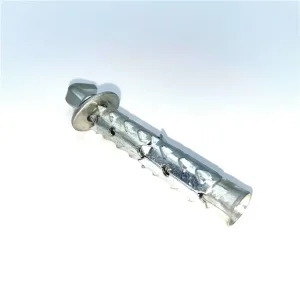
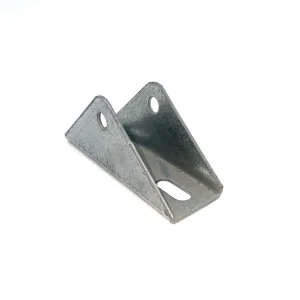
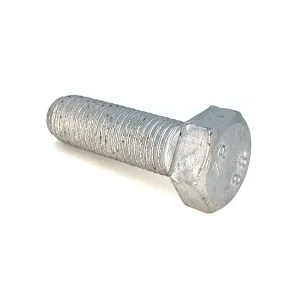
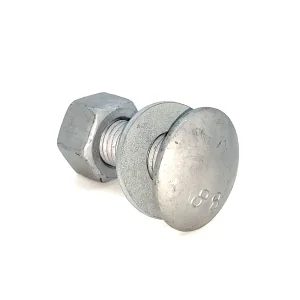
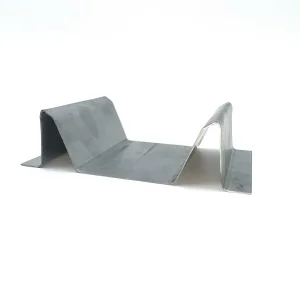
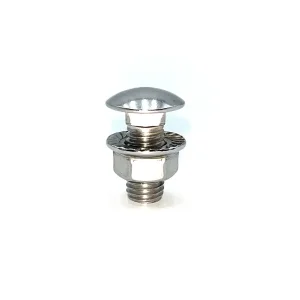
Achieving mechanical stability in massive structural baselines through controlled zinc-iron alloy crystallization and strict metallurgical process discipline.
Unlike electroplated zinc coatings that merely provide a mechanical sheath, Hot Dipped Galvanization (HDG) creates true metallurgical diffusion layers. Immersing structural carbon steel in molten zinc baths at 450°C produces an intermetallic progression—from the Fe-rich Gamma (21-28% Fe) and Delta (7-10% Fe) phases to the columnar Zeta layer (6% Fe), topped by ductile pure Eta zinc. This chemical bond boasts shear resistance exceeding 3,600 psi.
Should site drilling, transport scuffs, or seismic ground motion expose the bare steel substrate, the zinc surrounding the void acts as a sacrificial anode. Due to zinc's lower electrochemical reduction potential compared to iron, electrons flow to polarize the exposed steel core, converting atmospheric oxygen and moisture into inert zinc carbonate passivating skins. This self-healing boundary prevents subsurface undermining and premature shearing.
High-strength anchor bolts (such as ASTM A193 B7, ASTM F1554 Grade 105, or ISO 898-1 Class 10.9) are intrinsically susceptible to delayed catastrophic brittle fractures triggered by atomic hydrogen pickup during acid pickling. Modern tier-1 manufacturers avoid this risk by using mechanical blast descaling (SA 2.5 cleanliness) alongside optimized acid-wash exposure combined with immediate post-pickle thermal de-embrittlement baking.
Located in Yongnian, China’s Fastener Capital, combining deep vertical raw-material integration with smart-factory automation for large-scale utility stability.
Handan's specialized steel clusters enable immediate access to prime virgin billets (Q235B, Q355B, 42CrMoA) with end-to-end heat-number traceability, reducing standard production cycle buffers by up to 14 days.
Equipped with high-tonnage multi-station cold formers and heavy hot forging hydraulic units capable of forging anchor studs up to M72 diameter and lengths exceeding 3,000 mm with uncompromised axial alignment.
Integrated automated immersion lines with computer-controlled high-speed centrifuge spin cycles ensure razor-sharp thread root clearance, preventing zinc-clogging and eliminating the need for post-tap re-threading.
Computer-vision sorting rigs, on-site magnetic induction coating thickness testing (ISO 2178), optical emission spectrometers, and continuous 1,000-hour salt spray chambers guarantee defect-free delivery.
Strategic structural anchoring hardware customized to withstand seismic activity, cyclonic uplift forces, and hyper-corrosive chemical environments.
Mounting solar tracking frames and fixed-tilt ground structures requires high resilience against wind uplift. Hot Dipped Galvanized L-type and J-type cast-in anchor bolts, as well as high-capacity sleeve expansion anchors, firmly secure steel and aluminum pier base-plates into precast concrete piles or micropiles, preventing racking shifts under extreme wind gust loads.
Wind turbine tower basements demand anchor cages built to withstand continuous multi-directional fatigue stresses. We deliver ASTM F1554 Grade 55 and Grade 105 through-bolt anchor rods with matching HDG extra-thick heavy hex nuts and high-tensile anchor rings, ensuring load transfer and preventing fatigue loosening across 30+ year service lives.
From seismic expansion joints on highway overpasses to portal frames and catenary towers on high-speed rail lines, our hot-dipped galvanized anchors meet strict seismic shear retention criteria. Thick zinc protection prevents rust formation from de-icing salt sprays and heavy coastal moisture.
Unified compliance matching worldwide procurement specifications across ASTM, ISO, DIN, and GB manufacturing codes.
| Standard Specification | Material / Grade Equivalents | Tensile Strength (MPa / ksi) | Yield Strength Min (MPa / ksi) | Galvanization Standard | Nominal Coating Thickness |
|---|---|---|---|---|---|
| ASTM F1554 Gr. 36 | Low Carbon / A36 / Q235B | 400 – 550 MPa (58 – 80 ksi) | 250 MPa (36 ksi) | ASTM F2329 / ASTM A153 | 53 µm – 85 µm (Class C) |
| ASTM F1554 Gr. 55 | High-Strength Low-Alloy / Q355B | 517 – 655 MPa (75 – 95 ksi) | 380 MPa (55 ksi) | ASTM F2329 / ASTM A153 | 65 µm – 90 µm (Class C) |
| ASTM F1554 Gr. 105 | Alloy Steel Quenched & Tempered | 724 – 862 MPa (105 – 125 ksi) | 724 MPa (105 ksi) | ASTM F2329 / ASTM A153 | 65 µm – 85 µm (Controlled) |
| ISO 898-1 Class 8.8 | Medium Carbon Steel Q&T | 800 – 830 MPa (116 – 120 ksi) | 640 MPa (92 ksi) | ISO 10684 / EN ISO 1461 | 60 µm – 85 µm |
| ISO 898-1 Class 10.9 | Alloy Quenched (40Cr / 42CrMo) | 1000 – 1040 MPa (145 – 150 ksi) | 900 MPa (130 ksi) | ISO 10684 (Stress Relieved) | 55 µm – 80 µm |
Anticipating structural engineering demands: from green low-carbon metallurgy to smart-sensor-embedded load retention monitoring.
By blending 1.5–3.0% magnesium and 1.5–3.0% aluminum into high-purity molten zinc baths, next-generation ZAM surface coatings create Simonkolleite corrosion barriers. This chemistry delivers over triple the salt spray resistance of standard HDG, while offering self-healing edges that effectively protect cut threads and punched holes.
For mission-critical offshore wind and seismic bridge foundations, Youlong is prototyping internal ultrasonic transducer cavities and RFID-linked stress gauges inside anchor rod heads. Field maintenance teams can instantly read residual bolt clamping tension using wireless wand readers, avoiding the high cost of manual hydraulic torque re-checks.
Committed to meeting European CBAM (Carbon Border Adjustment Mechanism) carbon caps, our production roadmap adopts scrap-recycled Electric Arc Furnace (EAF) carbon steels alongside closed-loop flux regeneration tanks. This production chain cuts cradle-to-gate carbon footprints by up to 38% compared to traditional blast furnace setups.
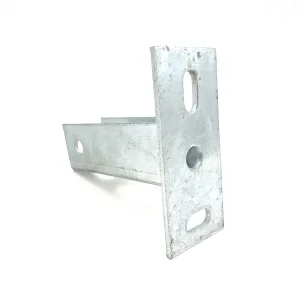
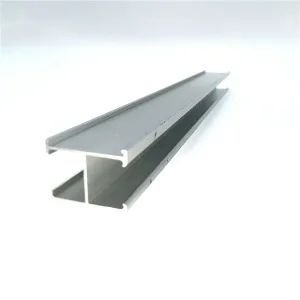
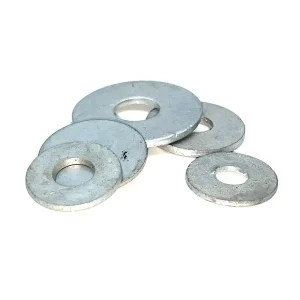
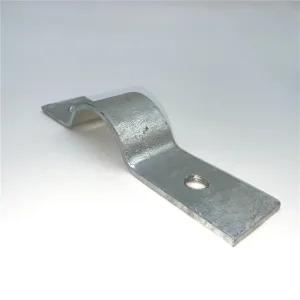
Explore our specialized range of corrosion-resistant structural components, expansion fasteners, and guide systems designed for utility-scale solar and industrial infrastructure.
Comprehensive export services, standardized inspection documentation, and tailored logistical pipelines designed to de-risk overseas procurement.
Every export shipment includes verified Mill Test Certificates (MTC) detailing melt-heat numbers, full chemical spectrum analyses, yield strength, ultimate tensile strength, elongation percentages, Charpy V-notch impact values, and calibrated magnetic zinc thickness measurements.
Preventing thread distortion and zinc oxidation across ocean transit: anchor bolts feature protective screw cap sleeves, nested into steel-strapped Euro-fumigated solid wood crates, wrapped in heavy VCI (Vapor Corrosion Inhibitor) desiccated shrink films to maintain factory quality in humid marine environments.
We provide full documentation support—including Form E, Certificate of Origin (CO), tailored HS-code classification (731815 / 731819), and clear anti-dumping clearance paperwork—to ensure smooth customs release across Rotterdam, Hamburg, Los Angeles, Santos, and Middle Eastern ports.
In-depth technical answers addressing core engineering, metallurgy, site installation, and international supplier auditing questions.