
Engineered PV Mounting Systems & High-Tensile Structural Fasteners
Direct factory solutions manufactured under rigorous EN 1090, ISO 1461, and ASTM A653 standards, delivering end-to-end mechanical integration for utility-scale solar structures and pre-engineered buildings.
Structural Section Optimization
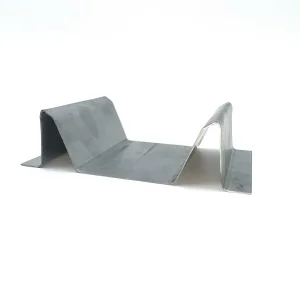
Galvanized C-section steel (also designated as C-purlins or cold-formed channel sections) represents the backbone of lightweight structural engineering. Engineered with internal stiffening lips (flange stiffeners), C-profiles convert flat-rolled structural strip steel into high-moment-capacity load-bearing elements, providing supreme strength-to-weight ratios compared to hot-rolled structural channels.
Advanced Anti-Corrosion Barrier
Through continuous hot-dip galvanizing (HDG) and advanced Zinc-Aluminum-Magnesium (ZAM) alloy baths, modern C-sections achieve cathodically protected barrier systems. The metallurgical bonding prevents subsurface iron oxide propagation even when punched, slit, or bolted on job sites, effectively extending service life beyond 30 to 50 years under severe atmospheric micro-climates.
Global Clean Energy Transition
With over 600 GW of solar capacity targeted annually worldwide, the demand for cold-formed steel purlins has transitioned from standard commercial sheds to mission-critical single-axis solar trackers and fixed-tilt ground racking. This requires strict cross-sectional symmetry, zero camber/sweep deviation, and verified ductility under static dynamic wind load reversals.
Procurement Demands & Technical Evolution in C-Section Metallurgy
Strategic procurement managers at multinational EPC contractors and industrial developers are shifting selection frameworks. The focus has advanced from mere price-per-tonne sourcing to Life Cycle Cost (LCC), carbon footprint metrics, and automated structural compatibility.
Transition to ZAM Alloys
Standard pre-galvanized Z275 coatings are increasingly being substituted by Zinc-Aluminum-Magnesium (Zn-Al-Mg) coatings (e.g., SuperDyma, Magnelis, PosMac). Magnesium ions facilitate self-healing oxide films over cut edges and punched slots, eliminating post-punch cold-galvanizing touch-ups on installation sites.
High-Strength Steel (HSS)
Structural designers are systematically upgrading from S250GD/Grade 36 to high-yield micro-alloyed grades like S350GD, S420GD, and S550GD. This allows thickness down-gauging from 2.5mm to 1.8mm while sustaining identical torsional and flexural capacities, reducing freight and erection deadweight.
Digital Pre-Punching Integration
Manual field drilling introduces micro-cracks and strips protective zinc. Leading projects mandate CNC multi-axis punch geometries (standard elongated slots, flange notches, staggered spacing) synchronized with BIM (Building Information Modeling) and structural calculation models.
Traceability & EPD Directives
With European CBAM (Carbon Border Adjustment Mechanism) and ESG reporting taking center stage, manufacturers must furnish verifiable Mill Test Certificates (MTC) to EN 10204 Type 3.1, coupled with Environmental Product Declarations (EPD) quantifying embodied carbon emissions per tonne.
China Factory 4.0: Metallurgical Precision & Cluster Efficiency
Nestled within Yongnian, Handan City — globally celebrated as China's Fastener and Structural Hardware Capital — our smart manufacturing ecosystem integrates primary steel coil feedstock, specialized cold roll-forming lines, automated laser slitting, and continuous galvanizing within an ultra-dense 30-kilometer logistical radius.
Precision Slitting & Uncoiling
Continuous laser-guided longitudinal slitting from prime hot-rolled or cold-rolled strip coils. Automatic ultrasonic sensors track strip thickness variance down to ±0.02mm before entry into formatting rolls.
Multi-Stage Roll Forming
16 to 22 dedicated pass roll stands incrementally manipulate web, flange, and lip geometries without work-hardening localized bend radiuses, ensuring uniform mechanical properties along the cross section.
In-Line CNC Punching & Cut
Hydraulic flying-die punching arrays register exact mounting hole centerlines while tracking line velocities exceeding 45 meters per minute. Laser-sheared cut ends eliminate burrs and flange de-lamination.
Passivation & Smart QC
Trivalent chromium or eco-polymer post-rinse passivation guarantees zero white rust development during intercontinental ocean transport. Every batch undergoes automatic optical dimension inspections.
| Performance Parameter | Standard Commercial C-Section | Youlong Industry 4.0 Engineered C-Purlin | Strategic Engineering Advantage |
|---|---|---|---|
| Base Steel Substrate | Commercial Q235B / SS400 | High-Yield S350GD / S420GD / Grade 50 | +48% Higher Flexural Capacity; Significant Weight Reduction |
| Protective Coating Matrix | Pre-Galv Z120 – Z180 (Zinc only) | HDG Z600 (85μm) or ZAM (Zn-Al-Mg 310g/m²) | Validated 3,000+ Hours ASTM B117 Neutral Salt Spray Resistance |
| Dimensional Deviation | ±1.5mm Web, ±2.0mm Length | ±0.3mm Web/Flange, ±1.0mm Laser Cut Length | Seamless Bolt Alignment in Single-Axis Trackers & PEB Framing |
| Edge Cut Protection | Raw Exposed Iron Matrix | Self-Healing Hydroxyzincite Layer (ZAM alloy) | Eliminates Crevice Corrosion & Site Coating Maintenance |
| Testing Documentation | Basic Internal QC Sheet | Full EN 10204 3.1 MTC, Tensile, Flare, Salt Spray | Unconditional Acceptance by International Tier-1 EPC Auditors |
Engineered Field Applications Across Global Micro-Climates
Cold-formed galvanized C-channels are subjected to diverse external stress regimes. Correct sizing demands detailed cross-referencing between local wind velocity categories, thermal oscillations, and atmospheric chemistry.
Utility-Scale Desert Solar Farms
Operating in the Middle East and Southwestern United States, solar torque purlins endure intense UV degradation, extreme day-night thermal cycles (ΔT > 45°C), and micro-abrasive wind-blown silica sand. Heavy galvanized C-purlins provide high torsional stiffness to prevent tracker aeroelastic flutter, while thick zinc coatings resist mechanical abrasion.
Coastal & Offshore PV Installations
Deployed on salt flats, aquaculture fisheries, or nearshore breakwaters, C-channel purlins face constant saline aerosol deposition. Standard galvanizing suffers rapid depletion. Our Zinc-Aluminum-Magnesium (ZAM) C-sections combined with SS316 connecting hardware ensure that localized pit nucleation is inhibited by magnesium hydroxide protective passivating barriers.
PEB Industrial Warehousing & Logistics
In modern wide-span pre-engineered distribution centers, C-purlins serve as primary secondary members spanning rafters to support corrugated standing seam roof decks. Precise mechanical elongation allows structural purlins to flex under live snow and seismic forces without catastrophic brittle failure or screw push-out.
Engineering Specifier’s Guide: Coating Thickness vs Atmospheric Class
Premature purlin degradation stems directly from specifying insufficient galvanic mass for the targeted ISO 9223 corrosion class. The structural engineering matrix below outlines minimum recommended standards for international procurement.
| Corrosion Category (ISO 9223) | Typical Industrial Environment | Recommended Steel Grade | Minimum Zinc / Alloy Mass | Design Life Expectancy |
|---|---|---|---|---|
| C1: Very Low | Heated indoor storage, dry clean atmospheres | S250GD / Q235B | Z100 – Z140 (14μm) | 50+ Years |
| C2: Low | Rural inland, unpolluted agricultural fields | S350GD + Z | Z275 (20μm pre-galvanized) | 30 – 40 Years |
| C3: Medium | Urban perimeters, moderate industrial SO2 zones | S350GD / S420GD | Z350 or HDG 45μm | 25 – 35 Years |
| C4: High | Chemical manufacturing corridors, coastal > 1km | S350GD + ZM | HDG 65μm – 85μm or ZAM 275g/m² | 25+ Years |
| C5 / CX: Extreme | Marine surf zones, offshore platforms, heavy chemical | S350GD / S450GD (ZAM) | ZAM 350g – 450g/m² or HDG > 100μm | 20 – 30 Years (Without Painting) |
Critical Specifier Note: Dissimilar Metal Galvanic Isolation
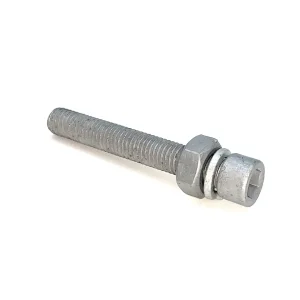
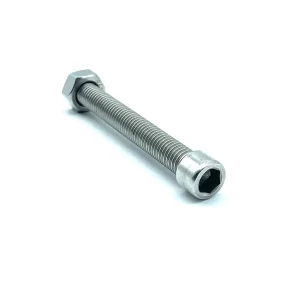
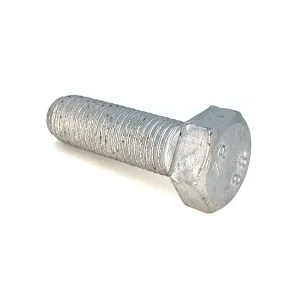
When connecting galvanized C-section purlins to extruded aluminum guide rails (6005-T5 / 6063-T6) or stainless steel brackets, the electrochemical potential differential can initiate rapid galvanic corrosion of the zinc layer. Ensure the inclusion of dielectric EPDM, nylon, or neoprene isolation washers at all structural interfaces, coupled with hot-dip galvanized Grade 8.8 bolts or A2/A4 stainless fasteners with anti-galling thread coatings.
Frequently Asked Technical Questions
Essential clarifications addressing mechanical properties, roll-forming tolerances, cut-edge protection, and overseas logistics verification.
Structural Anchoring, PV Clamps & Integrated Hardware Components
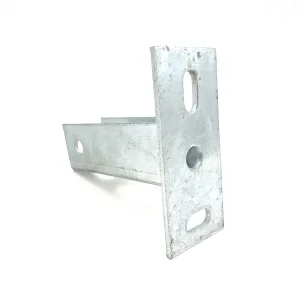
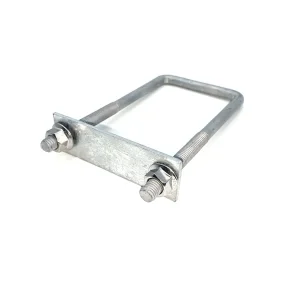
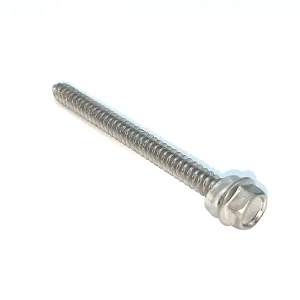
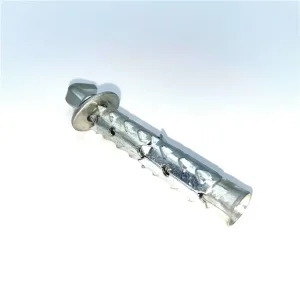
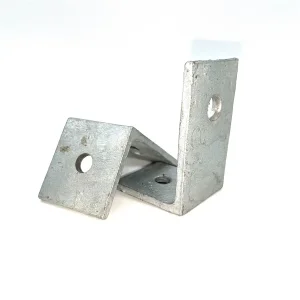
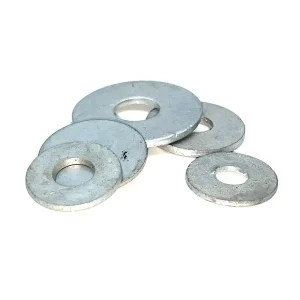
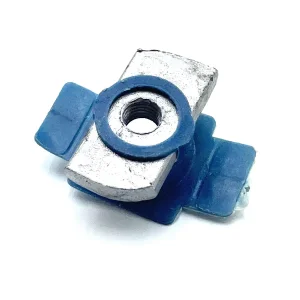
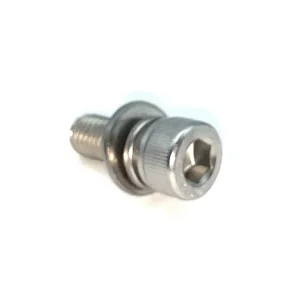
Complementing our roll-formed C-section framing, Youlong produces the complete load path: precision stainless rail brackets, heavy foundation anchors, and ergonomic hardware ensuring mechanical continuity from foundation pilings to module rails.
Request Full Cold-Formed Steel Calculation Packs & Custom Mill Runs
Direct consultation with our senior metallurgy and roll-forming engineering team. Submit specific CAD drawings, span length configurations, targeted coating weight (Z275, HDG Z600, or ZAM 310), or structural wind/snow requirements for tailored proposals.