
Best Cutting Galvanized Bolts Supplier & Suppliers
Comprehensive technical handbook on high-tensile hot-dip galvanized fasteners, precision cutting edge-chasing technologies, metallurgical integrity, and scalable OEM manufacturing solutions direct from China's industrial center.
Precision Structural Hardware & Renewable Mounts
Factory-tested component selection engineered for extreme shear conditions, tensile fatigue resistance, and rigorous atmospheric demands.
-
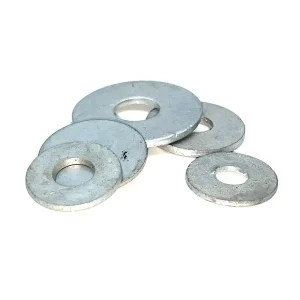
Stainless Steel Flat Washer - Durable Factory Direct 304/316 Washers
View Specification -
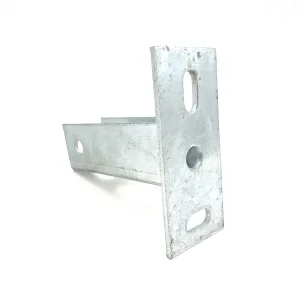
High-Strength Solar PV Mounting Aluminum Alloy Base for Stable Support
View Specification -
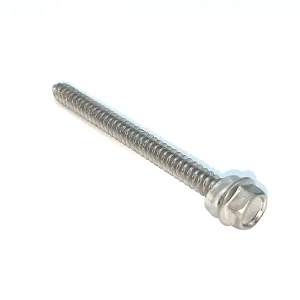
Stainless Steel Self-Drilling Screws - Sharp Drill Point for Metal, Plastic & Wood
View Specification -
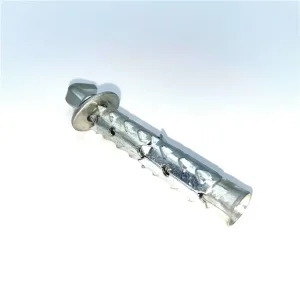
Heavy-Duty Fish Scale Expansion Bolt - Carbon Steel Anchor
View Specification -
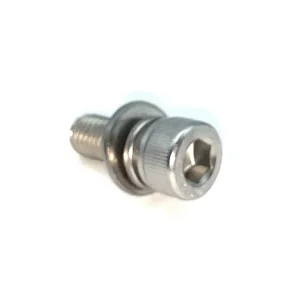
Stainless Steel Hex Socket Combination Bolt - Anti-Loosening Quick Assembly
View Specification -
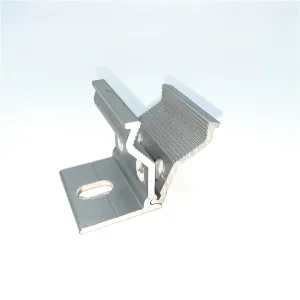
Solar PV Clip Lock Aluminum Clip for Metal Roof Fastening
View Specification -
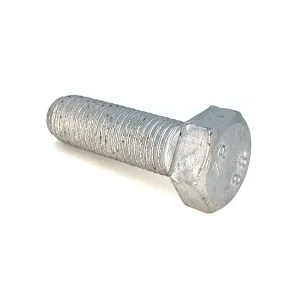
Heavy-Duty Hot-Dip Galvanized Hex Bolts for Outdoor Engineering
View Specification -
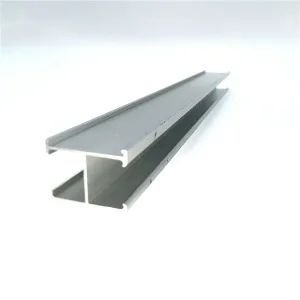
Premium 3040 Aluminum Alloy Solar PV Guide Rail Profile
View Specification
What Exactly Are "Cutting Galvanized Bolts"?
Demystifying precision thread cutting, modified studs, and post-galvanizing machining protocols in structural fabrication.
Cut vs. Rolled Thread Dynamics
Traditional fastener production utilizes thread rolling to preserve grain flow lines. In heavy industrial assemblies, "cutting" refers either to secondary CNC modification (length adjustments, precision cotter holes, safety wire slots) or specialized cold thread-cutting for oversized structural rods where rolled dies lack penetration capability.
Post-Machining Galvanic Protection
Cutting through hot-dip galvanized (HDG) coating exposes raw alloy. Leading suppliers address this through controlled re-centrifuging or zinc-rich cold galvanizing compound (ASTM A780 compliant). Due to zinc's sacrificial anode characteristics, protection continues within adjacent cut zones up to 1.5mm through galvanic action.
Mitigating Hydrogen Embrittlement
High-tensile fasteners (Class 8.8, 10.9, ASTM A325/A490) are vulnerable to atomic hydrogen absorption during acid pickling before hot dipping. Certified manufacturers use mechanical blast cleaning or immediate baking cycles (200°C for 4+ hours) to preserve tensile rating under cyclic loading.
China Fastener Hub: Engineering Advantages from Handan & Yongnian
Combining mature raw-material metallurgy, integrated surface finishing corridors, and optimized production efficiency.
Direct Steel Ingot Integration
Centrally positioned in Yongnian District, Handan—China's primary fastener industrial cluster—production facilities maintain supply links to regional steel manufacturers (HBIS Group). This raw material proximity lowers scrap freight costs and yields strict chemical consistency across high-tensile 35CrMo, 45#, and Q235B alloys.
Advanced Automated Galvanizing & CNC
Modern production facilities run enclosed, eco-certified hot-dip galvanizing lines with automated robotic centrifuging. Centrifugal spinning eliminates excess zinc pool build-up on thread root diameters, guaranteeing consistent 6g/6H tolerance clearance and removing the need for post-tap re-threading.
Economies of Scale & Agile Tooling
Handling thousands of metric tons per month allows continuous operation of high-speed cold-forging and multi-axis cutting centers. Customized bolt lengths, modified chamfers, and application-specific anchor head profiles transition from CAD drawings to tooling within 72 hours, reducing standard OEM cycle times.
Engineering Specification Guidelines: Galvanized & Cut Fasteners
Match bolt grades, tensile tolerances, and zinc deposition thickness to project environmental requirements.
| Bolt Grade / Material | Yield Strength (Min) | Tensile Strength (MPa) | Coating Process | Target Environmental Class | Primary Industrial Use Case |
|---|---|---|---|---|---|
| Class 4.8 Carbon Steel | 320 MPa | 400 MPa | Electro-Galvanized (5-12µm) | ISO 9223 C1-C2 | Dry interiors, light brackets, temporary MEP ducting |
| Class 8.8 Structural Alloy | 640 MPa | 800–830 MPa | Hot-Dip Galvanized (45-65µm) | ISO 9223 C3-C4 | Utility solar ground racking, heavy purlin joints, highway guardrails |
| Class 10.9 High-Tensile | 900 MPa | 1040–1070 MPa | Thermal Diffusion / HDG + Bake | ISO 9223 C4 | Wind turbine nacelle supports, bridge joints, gantry cranes |
| ASTM A325 Heavy Hex | 635 MPa | 825 MPa | Hot-Dip Spun Galvanized (ASTM F2329) | AISC Structural | High-rise building structural steel frame erection |
| AISI 304 / 316 Stainless | 450 MPa | 700 MPa | Passivated / Self-Shielding Oxide | ISO 9223 C5-M | Coastal solar arrays, offshore wind farms, marine splash zones |
Macro-Industry Dynamics & Global Procurement Trends
How international EPC firms, infrastructure developers, and industrial distributors hedge volatility and meet carbon audits.
Supply Chain Resiliency & Consolidations
International procurement is moving away from fragmented vendor bases. Leading EPCs consolidate purlins, extruded aluminum guide rails, expansion anchors, and heavy-hex carriage bolts under single-origin framework contracts, lowering shipping consolidation delays and clearance paperwork overhead.
Demand for Life-Cycle Traceability
Tier-1 infrastructure projects require batch-specific EN 10204 3.1 inspection certificates detailing spectrographic melt chemistry, Charpy V-notch impact toughness, proof load test reports, and non-destructive magnetic particle inspection (MPI) data to substantiate a 25- to 30-year design life.
Green Galvanizing & Decarbonization
With CBAM (Carbon Border Adjustment Mechanism) rollout across Europe and tightened ESG standards in North America, suppliers utilize energy-efficient electric zinc smelting baths, closed-loop hydrometallurgical acid recovery, and renewable grid energy to lower embedded Scope 1 and Scope 2 carbon footprints.
Technical & Commercial FAQ for Enterprise Buyers
Direct engineering answers addressing thread clearance, customization tolerances, and international export logistics.
How do you guarantee nut engagement with heavy hot-dip galvanized threads?
Can custom cut lengths and secondary slots be processed after galvanization?
What measures eliminate hydrogen embrittlement risks on 8.8 and 10.9 grade bolts?
How do you isolate dissimilar metals between galvanized bolts and aluminum mounting rails?
What is the standard production lead time and export packaging standard for containerized freight?
High-Integrity Fastening Systems & Engineered Hardware
Comprehensive connection systems designed for heavy construction, foundation footings, and structural assemblies.
-
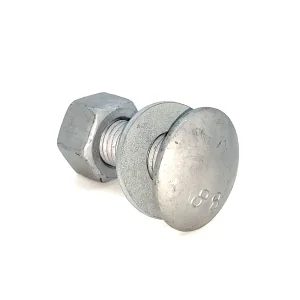
Heavy-Duty Hot-Dip Galvanized Carriage Bolts for Anti-Corrosion Fastening
View Specification -
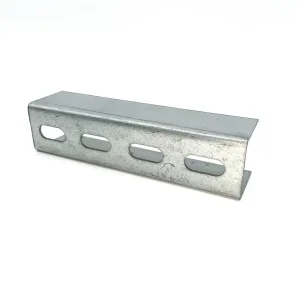
Durable Solar PV Mounting Purlin Connector - High Strength & Adjustable
View Specification -
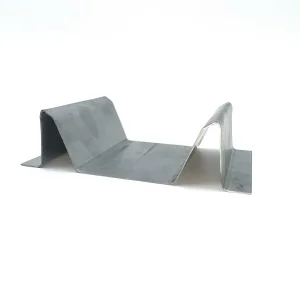
M-Type Aluminum Water Channel for Solar PV Systems - Corrosion-Resistant
View Specification -
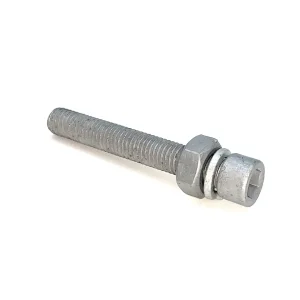
High-Strength Hex Socket Bolt - Carbon Steel Machinery & Construction Fasteners
View Specification -
Solar PV M-Type Aluminum Water Channel Profile Manufacturer
View Specification -
High Strength Carbon Steel Solar PV Mounting Purlin Connector
View Specification -
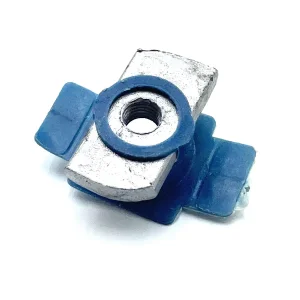
Ergonomic Plastic Wing Nut for Tool-Free Fastening in Machinery
View Specification -
Heavy-Duty Hot-Dip Galvanized Hex Bolt - High-Strength Carbon Steel
View Specification