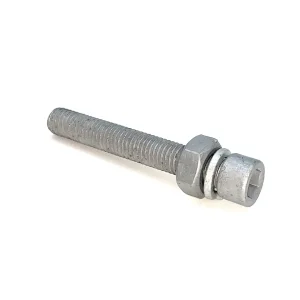
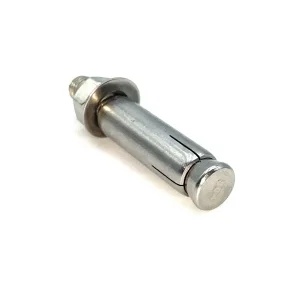
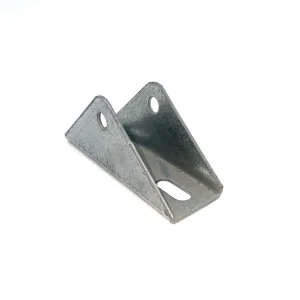
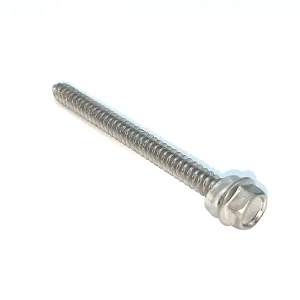
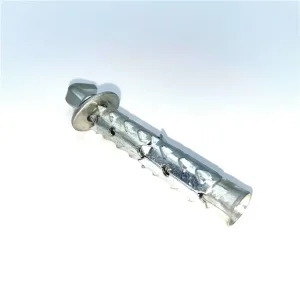
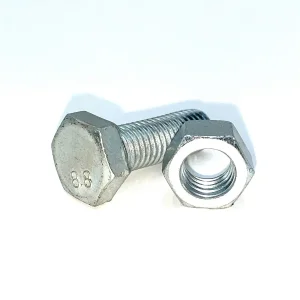
Featured Photovoltaic & Structural Fastener Solutions
Engineered to absorb dynamic fatigue, chemical exposure, and seismic cycles across utility-grade civil and solar infrastructures.
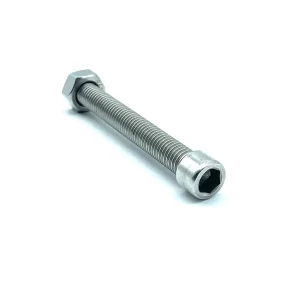
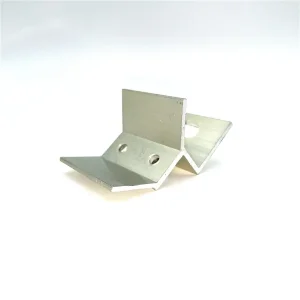
Engineering Principles: Chemical Fixing Bolts vs. Mechanical Anchors
Why precision adhesive fastening systems are replacing traditional friction anchors in seismic retrofit, high-vibration power generation, and cracking-concrete civil environments.
Zero Expansion Stress Mechanics
Unlike traditional sleeve or wedge anchors that induce outward lateral splitting pressure against the concrete substrate, chemical fixing bolts (resin anchors) bond the entire embedded threaded rod length via pure composite adhesion. This enables edge-distance placement up to 70% closer to free edges and masonry corners without wall failure.
Hermetic Borehole Sealing
The polymer matrix (pure epoxy, vinyl ester, or modified acrylic) completely fills the annular gap between the steel stud and pre-drilled substrate. This creates an airtight, watertight barrier that inhibits internal chloride penetration, groundwater back-pressure, and localized rebar carbonation, maximizing structural life in C4/C5 marine environments.
Seismic C1/C2 Dynamic Damping
Under recurring dynamic cyclic shocks or seismic crack shifts (up to 0.8 mm crack expansion), specialized vinylester formulations maintain high shear modulus and creep resistance. This prevents the slippage and catastrophic pull-out phenomena typical of friction-reliant mechanical drop-in anchors.
Why Tier-1 EPCs Source Chemical Fixing Hardware from Yongnian, Handan
Analyzing the structural advantages of China's primary fastener industrial cluster: raw metallurgy control, vertically integrated cold heading, and precision automated surface treatments.
Chemical Anchor Rods: Technical Material & Load Verification Guide
Design parameters for structural engineers specifying chemical stud diameters, adhesive curing profiles, and corrosion protection layers.
| Bolt Diameter & Grade | Recommended Resin Type | Characteristic Tension (C20/25) | Edge Distance (C_cr,N) | Anti-Corrosion Finish | Optimal Application |
|---|---|---|---|---|---|
| M8 - M12 (Class 5.8 / 8.8) | Polyester / Vinylester Capsule | 12.5 kN – 26.8 kN | 50 mm – 80 mm | Electro-Galv / HDG (45μm) | Solar PV clamps, light HVAC brackets, secondary channel framing. |
| M16 - M20 (Class 8.8 / 304 A2) | Modified Epoxy Acrylate | 42.0 kN – 78.4 kN | 95 mm – 130 mm | Hot-Dip Galvanized / Dacromet | Heavy baseplates, industrial crane tracks, solar ground-mount pilings. |
| M24 - M30 (Class 10.9 / 316 A4) | Pure Epoxy Injection Cartridge | 115.0 kN – 195.2 kN | 160 mm – 220 mm | 316 Austenitic Stainless Steel | Bridge expansion joints, maritime docks, nuclear vibration dampers. |
| Custom Chisel-Point Studs | Glass Spin-In Ampoule | Tailored to Project Calcs | Variable via FEA Study | Sherardized / Geomet 500 | High-speed railway sound barriers, dynamic wind tower foundation ties. |
Localized Application Architectures & Macro Industry Integration
Solving high-stress engineering bottlenecks across solar utility fields, dynamic offshore installations, and municipal infrastructure renewal.
Utility-Scale Solar Foundations
When mounting tracker systems or fixed-tilt racking onto concrete ballast blocks or drilled concrete piers, chemical fixing bolts provide resistance to cyclic uplift forces created by high winds. By avoiding outward radial stress, chemical anchors protect precast concrete pedestals from splitting under sustained lateral shear.
Seismic Building Retrofits
Older concrete structures require reinforcing steel jackets, shear walls, and structural steel beam collars to meet modern earthquake codes. Chemical fixing studs allow post-installed rebar connections that emulate cast-in-place steel reinforcement, delivering full structural ductility under severe C2-level ground acceleration.
Subsea & Wastewater Treatment
Aggressive biological effluent, chlorine aeration basins, and splash-zone marine structures corrode standard zinc-coated anchors within months. Utilizing A4-316 or 1.4529 high-alloy chemical anchor rods combined with chemical-resistant pure epoxy ensures zero fluid migration into the core concrete anchorage.
Global Procurement Criteria: Meeting International Standards
How Youlong addresses international procurement mandates, cross-border testing certifications, and supply chain accountability.
Mill Test Reports & Full Traceability
Every shipment from Youlong is accompanied by certified EN 10204 3.1 Mill Test Certificates. From spectroscopic carbon and nickel analysis of the raw steel rod to Vickers hardness and ultimate tensile yield testing, every production lot is matched to its parent raw material melt.
Salt Spray Endurance Testing
To safeguard solar arrays and civil hardware exposed to offshore coastal breezes, our continuous neutral salt spray (NSS) chamber testing tests coatings from 480 hours (Standard Hot-Dip Galvanizing) up to 1,500+ hours (multi-coat Dacromet/Delta-Protekt) with zero red rust emergence.
Phased Logistics for Utility Pipelines
Coordinating procurement for 100MW to 1GW solar power plant builds requires phased delivery to project laydown yards. We streamline container consolidation, ocean logistics, and customs documentation to match engineering construction schedules and avoid on-site delays.
Frequently Asked Questions: Chemical Fixing Bolts & Factory Sourcing
Detailed technical, operational, and commercial answers for EPC contractors and fastener importers.
Industrial Anchoring & Photovoltaic Assembly Assemblies
Complete load-path hardware from foundation tie-backs to module fixing clamps, built for demanding field conditions.