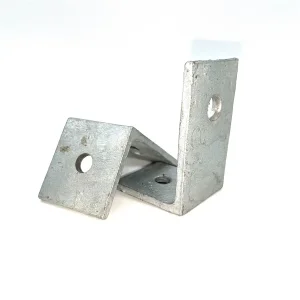
Precision Structural Connectors & Foundation Anchoring Hardware
Integrate certified chemical anchor resins with factory-forged stud assemblies, heavy-duty expansion sleeves, and solar PV structural interfaces engineered in Handan's industrial heartland.
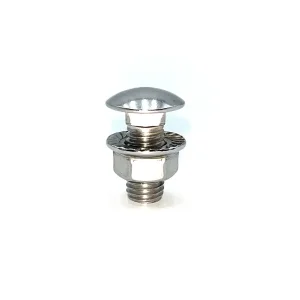
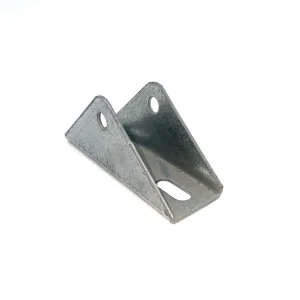
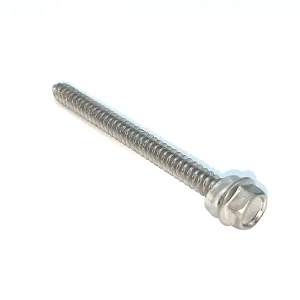
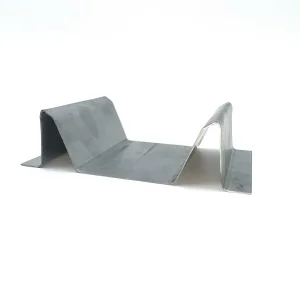
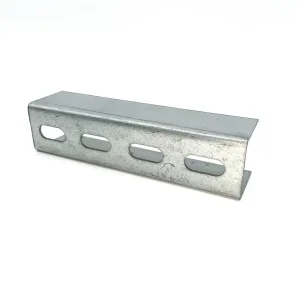
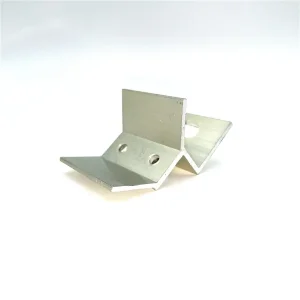
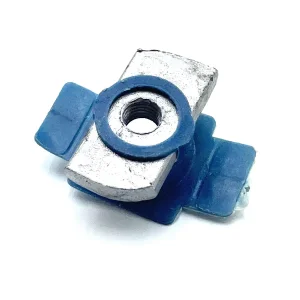
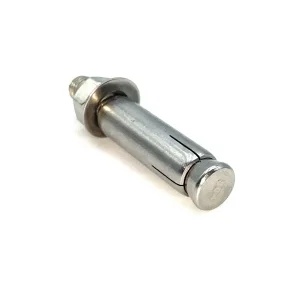
State of the Art in Anchor Bolt Fixing Chemical Technology
Chemical anchoring—also termed bonded anchoring or injection adhesive fixing—relies on high-polymer composite adhesives to transmit tensile, shear, and seismic forces from steel threaded studs or reinforcing bars directly into cracked and uncracked concrete, solid masonry, and rock strata.
Pure Epoxy Resins (3:1 / 1:1)
Formulated with 100% solid bisphenol-A/epichlorohydrin oligomers cured with modified cycloaliphatic amines. Boasts zero shrinkage, exceptional bond strength in diamond-cored holes, and extended open gel time (15–30 mins) suitable for deep doweling depths up to 2,500 mm in high-ambient temperature regions.
Styrene-Free Vinyl Ester (10:1)
High-reactivity methacrylate-vinyl ester hybrids offering rapid curing within 30 to 45 minutes at 20°C. Engineered specifically for rapid bracket installation in structural steel frame connections, wind load purlin bracing, and sub-zero winter temperatures down to -10°C without freeze-expansion loss.
Polyester & Modified Acrylics
Cost-efficient structural fixings ideal for uncracked concrete, hollow block masonry, and non-safety-critical utility fastenings. Utilized extensively in medium-duty HVAC mechanical supports, solar cable routing trays, electrical conduits, and facade secondary substructure framing.
Chemical Anchoring Polymer Comparison: Engineering Matrix
| Chemical Resin Family | Bond Strength (τRk,ucr) | Gel / Full Cure Time (20°C) | Cracked Concrete / Seismic C2 | Moisture & Coring Resilience | Ideal Structural Scenario |
|---|---|---|---|---|---|
| Pure Epoxy (EP-500 Pro) | 14.0 – 18.5 N/mm² | 25 min / 12 Hours | Certified ETA Option 1 (C1 & C2) | Submerged water holes, diamond-drilled slick surfaces | Post-installed starter bars, bridge retrofitting, nuclear foundation tie-backs |
| Pure Epoxy High-Temp (EP-HT) | 12.5 – 16.0 N/mm² | 35 min / 18 Hours | Certified ETA Option 1 (C1) | High resistance to sustained creep at 80°C | Industrial refinery pipe racks, desert solar tracker footings, blast walls |
| Vinyl Ester Styrene-Free (VE-SF) | 9.5 – 13.0 N/mm² | 6 min / 45 Minutes | Approved ETA Option 1 (C1) | Damp holes, hammer-drilled surfaces, high alkali resistance | Structural steel column baseplates, PV inverter skid anchors, overhead facades |
| Hybrid Polyurethane/VE | 10.0 – 14.5 N/mm² | 8 min / 60 Minutes | ETA Compliant (Option 1) | Excellent performance in cold and moist substrate | Cold storage facility retrofitting, coastal splash-zone parapet anchors |
| Unsaturated Polyester (UP) | 4.5 – 7.5 N/mm² | 5 min / 30 Minutes | Uncracked concrete only (ETA Option 7) | Dry holes only; sensitive to standing moisture & alkali leaching | Internal balustrades, cable trays, interior partition wall brackets |
The Handan Yongnian Manufacturing Cluster: Unrivaled Supply Chain Dominance
When global EPC contractors and industrial distributors source chemical anchor bolt systems and mating high-tensile hardware, Handan Youlong Fastener Co., Ltd. provides an unmatched geographic and logistical edge from Yongnian District—the Fastener Capital of China.
Upstream Metallurgy & Cold-Heading Scale
Direct adjacency to China's premier steel producers (such as Hebei Iron & Steel Group) allows Youlong to source premium raw wire rod—including carbon steel grades 5.8, 8.8, 10.9, 12.9, as well as marine-grade AISI 304 (A2-70) and AISI 316 (A4-80)—with zero inland freight latency and full metallurgical traceability.
Turnkey Chemical & Hardware Kit Packaging
Procuring anchor fixing chemical cartridges from one vendor and threaded anchor rods, washers, and expansion nuts from another generates significant project risk due to thread pitch variations, chamfer clearance issues, and mismatched anti-corrosion finishes. Youlong manufactures the full load path as a matched, pre-tested structural assembly.
In-House Metallurgical & Chemical Testing
Equipped with 1000kN electro-hydraulic servo universal tensile test frames, automated salt spray corrosion chambers (testing up to 3,000 hours ASTM B117), hardness testers (HRC/HV), and continuous digital torque-angle tension logging, guaranteeing that all shipments comply with EN 10204 3.1 mill test certification.
Regulatory Compliance & Structural Certification Roadmap
International structural fixings must navigate stringent regional design codes. Chemical anchor installations are sensitive to concrete cracking, temperature fluctuations, and sustained load creep. Youlong's hardware and chemical systems align with worldwide testing protocols.
ETA & EOTA EAD 330499
Complies with European Assessment Document EAD 330499-01-0601 for bonded fasteners in concrete. Evaluated for Option 1 (cracked and uncracked concrete), seismic categories C1 and C2, and fire resistance classifications R30 through R120 under EN 1992-4 (Eurocode 2 Part 4).
ICC-ES AC308 & ACI 318
Meets North American acceptance criteria AC308 for post-installed adhesive anchors in concrete elements, permitting structural calculations in strict conformance with ACI 318-19 Chapter 17 (Anchoring to Concrete) under sustained tension load regimes and freeze-thaw cycles.
LEED v4 & VOC Emission A+
Formulated in compliance with South Coast Air Quality Management District (SCAQMD) Rule 1168 and French VOC Regulation (Émissions dans l'air intérieur - Class A+), ensuring suitability for enclosed occupied buildings, healthcare facilities, and green building environmental scoring.
Drinking Water NSF/ANSI 61
Specialized non-leaching formulations safe for contact with potable water systems, water retaining reservoirs, submerged dam gate anchors, and urban water treatment clarification tanks without toxic chemical elution into the municipal water table.
Mission-Critical Field Application Scenarios
Chemical anchoring delivers high resistance to dynamic vibration, cyclical fatigue, and unpredictable geotechnical settling where standard mechanical anchors would cause internal micro-cracking and blowout.
1. Utility Solar PV Ballast & Foundation Anchor
Rooftop and ground-mount PV installations face intense uplift and oscillating aerodynamic forces. Pure epoxy and vinyl ester chemical capsules bond threaded rods (M12–M24) directly into cast concrete footings and precast ballast blocks without radial bursting stress, preserving the waterproof integrity of concrete roofing membranes.
2. High-Rise Curtain Wall & Stone Facade Fixing
Heavy glass, terra cotta, and granite curtain wall brackets demand minimal edge-distance fixings. Chemical adhesive anchors generate negligible hoop stress in thin slab edges (spandrel beams), enabling anchors to be placed up to 50% closer to free edges compared to torque-controlled mechanical expansion anchors.
3. Heavy Industrial Vibratory Machinery Baseplates
Reciprocating compressors, high-tonnage gantry crane rails, and stamping presses produce continuous cyclic resonance that shakes mechanical wedged anchors loose over time. Pure epoxy chemical systems cushion shock loads, seal anchor sleeves hermetically against hydraulic oils, and prevent micro-fretting corrosion.
Emerging Trends Transforming the Chemical Fixing Sector
Technological advancements in polymer chemistry, field installation tooling, and digital monitoring are setting higher safety and efficiency benchmarks across the construction and renewable sectors.
Frequently Asked Questions: Chemical Anchoring & Fasteners
Get authoritative answers regarding structural load calculations, hole cleaning, cure times, and international supplier auditing for bonded anchor bolts.
What is the structural difference between chemical fixing and mechanical expansion bolts?
Mechanical expansion bolts generate anchorage through frictional radial force against the inner borehole walls, exerting outward hoop tension. This limits their proximity to slab edges and creates stress concentrations in cracked concrete. Chemical anchors bond adhesion along the entire embedment depth without radial expansion stress, facilitating installation closer to concrete edges and narrower spacing, while delivering significantly higher characteristic tensile capacities.
Why is hole cleaning considered the most critical factor in chemical anchoring?
Drilling generates micro-fine concrete dust that adheres to borehole walls. If uncleaned, the chemical adhesive bonds to the powdery dust layer rather than the solid aggregate matrix, which can reduce ultimate tensile capacity by up to 60–80%. Standard specification requires the 2x-blow, 2x-brush, 2x-blow sequence using oil-free compressed air and stiff steel wire brushes, or the use of approved hollow suction drill bits.
How do ambient and substrate temperatures affect epoxy and vinyl ester cure times?
Chemical reaction rates are governed by temperature. At 20°C, a vinyl ester resin achieves gelation in ~6 minutes and full structural loading in ~45 minutes. At -5°C, full cure extends to 4–6 hours. Conversely, pure epoxy systems cure slower (~12 to 24 hours at 20°C), but remain workable longer for deep rebar doweling. Adhesive cartridges should never be applied below their minimum certified resin temperature without pre-warming.
What surface treatments protect steel anchor studs from galvanic and atmospheric corrosion?
For inland dry environments (ISO 9223 C1-C2), electro-galvanized (5–12μm) is sufficient. For standard outdoor rooftop and solar setups (C3-C4), Hot-Dip Galvanizing (HDG to ISO 1461 with minimum 45–65μm zinc layer) is standard. For marine splash zones, chemical plants, or highway bridges subject to de-icing salts (C5), marine-grade AISI 316 / A4-80 stainless steel or zinc flake / sherardized coatings are mandatory to prevent embrittlement.
How does Youlong guarantee quality control for international container-load orders?
Each production heat undergoes spectrometer elemental analysis, tensile yield testing, thread pitch optical profiling, and coating thickness magnetic gauges. Chemical cartridge lots are retained and pull-tested on concrete slabs under witness conditions. All shipments are accompanied by EN 10204 3.1 Inspection Certificates, verifying physical properties, chemical composition, and batch traceability.
Engineered Fasteners, Angle Brackets & Heavy Bolting Hardware
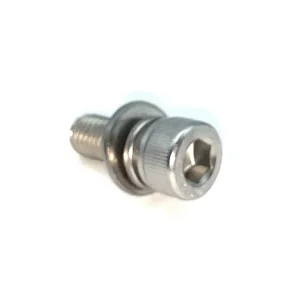
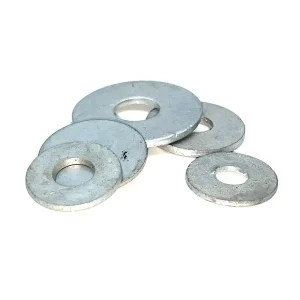
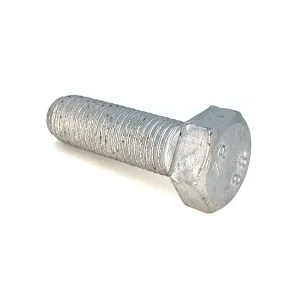
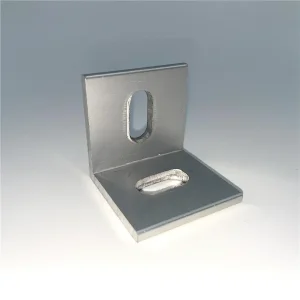
Complete your structural bill of materials with heavy-duty structural hex bolts, anti-loosening socket screws, load-distribution flat washers, and PV alloy framing angle brackets.