
Why Choose Toggle Bolts for Secure Wall Mounting?

Time:2026-10-24 Author:Henry
0%

Why Choose Toggle Bolts for Secure Wall Mounting?

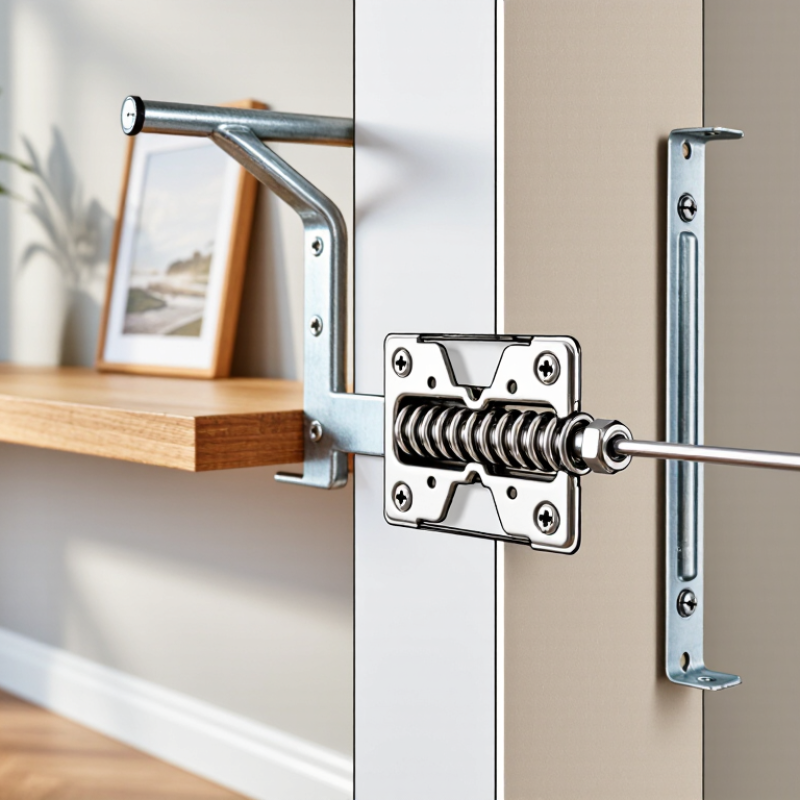
Wall mounting can look simple until a screw spins inside weak drywall. A framed mirror, floating shelf, or cable raceway may then tilt, loosen, or fall. Toggle Bolt systems address this problem by spreading force behind the wall surface. Their spring-loaded wings open inside the cavity, creating a broader bearing area than many ordinary plastic plugs.

Industry guidance supports careful anchor selection. The International Code Council’s ICC-ES AC106 criteria evaluate mechanical anchors through load and performance testing. ASTM E488/E488M also describes methods for testing anchor strength in concrete and masonry. These standards do not make every Toggle Bolt suitable for every wall. They reinforce a less comfortable truth: installation conditions matter.

Market studies from Grand View Research and Fortune Business Insights track continued demand across the global fasteners and construction hardware sectors. However, these reports usually group toggle anchors with wider fastening categories. Specific Toggle Bolt figures can therefore be difficult to verify. That limitation deserves attention.

Fastening engineer Robert W. Wessel explains, “The wall material carries the load, not the label on the box.” This practical reminder captures the central issue. A Toggle Bolt may perform well in hollow gypsum board, yet fail when overloaded, poorly tightened, or installed near damaged material.

Measure the wall thickness. Check the stated load rating. Leave room for uncertainty. Real installations are rarely perfect. A strong mounting decision combines the anchor, the wall condition, the load direction, and the installer’s judgment.
Why Choose Toggle Bolts for Secure Wall Mounting?

What Are Toggle Bolts and How Do They Work?

Toggle bolts are hollow-wall anchors designed for surfaces that cannot hold ordinary screws alone. They use two parts: a threaded bolt and spring-loaded wings. The wings fold during insertion, then open behind the wall.

That matters.

Once opened, the wings spread the load across a wider area. This reduces pressure at one small point. A mounted shelf, mirror, or light cabinet can therefore stay more stable.

Still, the wall material matters greatly. Thin drywall, plaster, and hollow paneling do not behave the same way.

Installation requires more care than many people expect. Mark the hole accurately, then drill an opening large enough for the folded wings. Push the wings through completely before tightening the bolt. Do not over-tighten it. Excessive force can crush drywall and weaken the mounting point.

Measure twice.

I have seen anchors fail because the wings never opened behind the wall. Another common mistake is choosing a bolt that is too short for the fixture and wall thickness. Leave enough threaded length for the wings to engage properly. Check the item’s weight, the anchor’s rated capacity, and the condition of the wall before mounting. These small checks make the connection more dependable, although no toggle bolt can replace a structural stud for very heavy loads.

Why Toggle Bolts Provide Secure Wall Support

Toggle bolts provide secure wall support because they spread force behind the wall surface. Their spring-loaded wings open inside hollow walls, creating a wider bearing area than ordinary screws. This reduces local stress around the hole. However, security depends on the wallboard thickness, bolt size, load direction, and toggle design.

ASTM E488/E488M-22 requires anchor testing to report pullout and shear performance under controlled conditions. Those results are not universal ratings. The Gypsum Association’s GA-216-2024 guidance also shows why framing layout and panel condition matter during installation. A cracked panel, oversized hole, or hidden pipe can reduce real-world reliability. I have seen strong hardware fail because the wall was treated as solid. That assumption is dangerous. Recheck it.

Tips: Select a toggle rated for your wall thickness and expected load. Drill only the required hole size. Keep the load close to the wall, especially for shelves or monitors. Tighten until the bracket is firm, not crushed. Use a washer where needed. For heavy objects, locate a stud or obtain a site-specific engineering assessment. Measure twice. The published load is only a starting point, and safety margins still deserve careful judgment.

Why Choose Toggle Bolts for Secure Wall Mounting? - Why Toggle Bolts Provide Secure Wall Support

Evaluation Dimension How Toggle Bolts Perform Why It Supports Secure Mounting Important Consideration
Load distribution A spring-loaded toggle opens behind a hollow wall and spreads the load over a larger area than a simple screw. The wider contact area helps reduce localized stress and pull-through risk in the wall panel. The wall panel must be structurally sound and free from excessive damage around the hole.
Suitable wall construction Primarily designed for hollow walls, including many drywall, plasterboard, and hollow-panel installations. The toggle can expand into the cavity and create a mechanical anchor behind the surface. They are generally unsuitable for solid concrete, solid brick, or dense masonry unless a compatible system is specified.
Tensile resistance The rear toggle resists the fastener being pulled directly out of the wall. This makes toggle bolts useful for wall-mounted items that create an outward pulling force. Actual capacity depends on bolt diameter, toggle size, wall thickness, panel condition, and installation quality.
Shear resistance The bolt and toggle can support downward or sideways forces when properly seated behind the wall. The connection can help stabilize shelves, brackets, rails, and other wall-mounted fixtures. Heavy or dynamically loaded items may require multiple anchors or attachment directly to a structural stud.
Installation method A correctly sized hole is drilled, the toggle is inserted through the wall, and the bolt is tightened against the mounting surface. The mechanical expansion occurs behind the wall rather than relying only on friction at the surface. The toggle must fully open behind the wall; pipes, cables, and framing members must be avoided before drilling.
Load versatility Available in different bolt diameters, lengths, and toggle sizes for varied wall thicknesses and fixture requirements. The installer can select a fastener that matches the fixture thickness and the available cavity depth. The bolt length must allow the toggle to open fully while still clamping the fixture securely.
Vibration performance The broad rear contact can provide stable support under ordinary household vibration when the bolt is correctly tightened. A firm clamping connection helps limit movement between the fixture and the wall. Repeated vibration or machinery loads require engineering review and may need specialized fasteners.
Reusability The bolt can often be removed, but the toggle may fall behind the wall when the bolt is completely withdrawn. The fixture can usually be detached without removing the entire wall anchor assembly from the cavity. A removed toggle bolt may not be reusable if the toggle is lost, bent, or damaged.
Best applications Suitable for appropriately sized mirrors, shelving components, curtain hardware, wall rails, and brackets on hollow walls. They provide a stronger mechanical connection than ordinary screws installed only into thin wallboard. Follow the fastener manufacturer’s rated load, spacing, edge-distance, and wall-thickness limits.
Main limitation Performance decreases when the wall is damaged, too thin, too soft, or unable to provide sufficient cavity clearance. Understanding the wall structure prevents selecting an anchor for conditions it was not designed to handle. For very heavy, safety-critical, or frequently moved loads, fasten directly to structural framing or use an engineered anchoring method.

Note: Toggle-bolt load capacity is not universal. Verify the fastener’s published rating for the specific wall thickness, bolt size, installation orientation, and load type before mounting.

How to Choose the Right Toggle Bolt for Your Wall

Toggle bolts are useful when a wall cannot hold a screw by itself. Their spring-loaded wings open behind hollow drywall and distribute pressure across a wider area. However, choosing one by appearance is a common mistake. The wall’s material and thickness matter more than the bolt’s finish. A practical lesson from wall-mounting work is clear: a short toggle may loosen when a shelf shifts. Not ideal.

Measure the wall thickness before shopping. For standard drywall, choose a toggle designed for that thickness range, not only its highest load rating. Check the required hole diameter, because larger wings need larger openings. The bolt should pass through the fixture, wall, and folded wings. Leave enough space behind the wall for the wings to open fully. Studs, pipes, and wiring can change the installation plan. Use a detector, then drill carefully.

Match the fastener’s working load to the object, including movement and vibration. A framed picture needs less support than a cabinet or folding bracket. For heavier items, use several fasteners across the mounting points. Follow the stated installation instructions and tested load limits. Do not trust the highest number without considering damaged or soft drywall. I would rather plan conservatively than repair torn drywall later. After tightening, test the mount gently and watch for flexing, cracks, or uneven pressure.

Why Choose Toggle Bolts for Secure Wall Mounting?

Typical working-load ranges for toggle bolt diameters installed in sound drywall

Toggle bolts are effective for hollow walls because their spring-loaded wings spread behind the panel, distributing weight over a larger area than ordinary screws. Larger bolt diameters generally provide higher working-load capacity, but the correct choice also depends on drywall thickness, cavity depth, fixture design, installation quality, and the manufacturer’s rating. Always use a safety margin and verify the hardware specifications before mounting heavy or safety-critical items.

How to Install Toggle Bolts Step by Step

Toggle bolts are useful when a wall cannot support a screw alone.

Their spring-loaded wings spread behind hollow drywall. This creates a wider load-bearing surface.

I have installed them for shelves, mirrors, and lightweight cabinets.

My first attempt failed because I ignored the wall thickness. Measure it before choosing the bolt length. Check the fixture holes and the bolt diameter, too.

Use a stud finder to avoid hidden wiring and plumbing.

Mark the mounting points with a pencil. Keep the marks level.

Drill a clean hole through the drywall. Make it wide enough for the folded wings. Do not force an oversized bit. A loose hole can reduce stability.

Thread the screw through the fixture and the toggle. Compress the wings, then push them through the wall. You should hear them open behind the surface.

Pull the fixture gently toward you while tightening the screw. Stop when it feels firm. Over-tightening can crush drywall.

Test the mount with light pressure. Add weight gradually and stay below the fastener’s rated capacity.

Heavy items may need a stud or another mounting method.

I sometimes recheck the screw after a day. Walls can settle, and small mistakes become obvious later.

Common Applications and Safety Considerations for Toggle Bolts

Why Choose Toggle Bolts for Secure Wall Mounting?

Toggle bolts work well when a stud is unavailable behind hollow drywall. Their spring-loaded wings open behind the panel, spreading force across a wider area. Common applications include shelving, mirrors, light cabinets, curtain hardware, and small wall-mounted fixtures. They are useful, but not magical.

The U.S. Consumer Product Safety Commission reported an estimated annual average of 22,000 emergency-room injuries from furniture, television, and appliance tip-overs. That figure shows why secure mounting deserves careful planning. For heavier objects, use a stud or structural backing whenever possible. ASTM E488/E488M testing evaluates anchor performance under tension and shear, but laboratory results do not equal every household condition. Drywall age, moisture, damaged holes, and uneven loading can reduce capacity.

Before installation, check the anchor’s rated working load, not only its ultimate breaking load. Leave a safety margin. The screw should match the toggle diameter and length. Drill a clean hole, avoid electrical cables and plumbing, then ensure both wings open fully behind the wall. Tighten until firm, not excessively tight. Over-tightening can crush gypsum and create a weak, hidden failure point. For ceiling loads, moving fixtures, or valuable equipment, seek qualified installation advice. I have seen “secure” mounts loosen after repeated vibration; that detail is easy to underestimate.

FAQS

What is a toggle bolt?

A toggle bolt is a hollow-wall anchor with a threaded bolt and spring-loaded wings. The wings fold during insertion and open behind the wall.

How does a toggle bolt support a wall-mounted item?

The opened wings spread pressure across a wider area behind the wall. This reduces stress around one small hole. That helps.

Which wall materials work with toggle bolts?

Toggle bolts work best in sound hollow drywall and similar panels. Thin drywall, plaster, and hollow paneling may perform differently. Check the wall.

How do I choose the correct toggle bolt?

Match the bolt length to the wall thickness and fixture depth. Check the bolt diameter and rated capacity. Leave enough threaded length for the wings.

How should I install a toggle bolt?

Mark the hole carefully and drill only the required opening. Thread the bolt through the fixture and toggle. Compress the wings and push them fully through the wall. You should hear them open.

What installation mistakes can weaken the anchor?

An oversized hole can reduce stability. A short bolt may not let the wings engage properly. Over-tightening can crush drywall. I have made that mistake.

How tight should a toggle bolt be?

Tighten until the fixture feels firm against the wall. Do not crush the drywall or bend the fixture. Firm, not forced.

Can toggle bolts hold heavy shelves or cabinets?

Toggle bolts can support some moderate loads when installed correctly. Keep the load close to the wall. For very heavy items, locate a structural stud or seek site-specific advice. Published capacity is only a starting point.

How can I improve installation safety?

Use a stud finder to check for hidden wiring and plumbing. Keep mounting points level and test the fixture with light pressure. Add weight gradually. Recheck it later.

Conclusion

Toggle Bolt is a practical wall anchor designed to provide strong support when a solid stud is not available. It uses a spring-loaded toggle that opens behind the wall, spreading the load across a wider area than many standard anchors. This design makes toggle bolts suitable for drywall and other hollow wall materials, especially when mounting shelves, mirrors, cabinets, lighting fixtures, and similar items. Choosing the correct size requires considering the wall thickness, the weight of the object, the mounting hardware, and the available space behind the wall.

For a secure installation, first mark the mounting position and drill a properly sized hole. Insert the folded toggle through the wall, allow it to open, and tighten the screw gradually while keeping the fixture aligned. Avoid overtightening, which can damage the wall or reduce holding strength. Always check for hidden wiring or plumbing, follow the anchor’s load rating, and use multiple fasteners when appropriate. Careful selection and installation help ensure stable, reliable wall support.

Henry

Henry

Henry is a dedicated marketing professional with a profound expertise in the company's offerings. With years of experience in the industry, he possesses an impressive understanding of the market dynamics and consumer behaviors that drive success. Henry is committed to sharing his insights through......