
10 Expansion Bolt Buying Tips for Global Buyers?

Time:2026-10-24 Author:Charlotte
0%

Global buyers often treat an Expansion Bolt as a simple hardware item. That assumption can create expensive failures. Anchor selection depends on base material, load direction, installation depth, corrosion exposure, and project standards. A bolt that performs well in dense concrete may loosen in cracked concrete or hollow masonry. The warehouse sample is not enough.

Dr. John Bickford, a recognized fastener engineering author, once emphasized, “The fastener is only as reliable as the joint it serves.” This principle fits expansion anchoring closely. Buyers must examine the complete connection, not only diameter or unit price. Thread quality, sleeve expansion, washer size, torque requirements, and coating thickness all deserve attention. Packaging labels can also reveal useful details, including batch numbers and installation instructions.

This guide presents ten practical Expansion Bolt buying tips for international procurement teams. It considers technical fit, supplier capability, documentation, testing, packaging, and long-term performance. A clear specification should state the substrate, working load, safety factor, bolt grade, finish, and required quantity. It should also explain whether the product is intended for indoor, outdoor, wet, or chemically exposed areas.

Small details matter.

Some buying decisions remain imperfect. Suppliers may provide attractive certificates without explaining test conditions. Product names may sound similar while their dimensions differ. Buyers should question unclear claims and request samples before placing large orders. Field feedback also matters. An installer’s comment about sleeve movement or difficult torque can expose a problem that a catalog never shows. Reliable sourcing requires patience, technical judgment, and a willingness to reconsider the cheapest option.
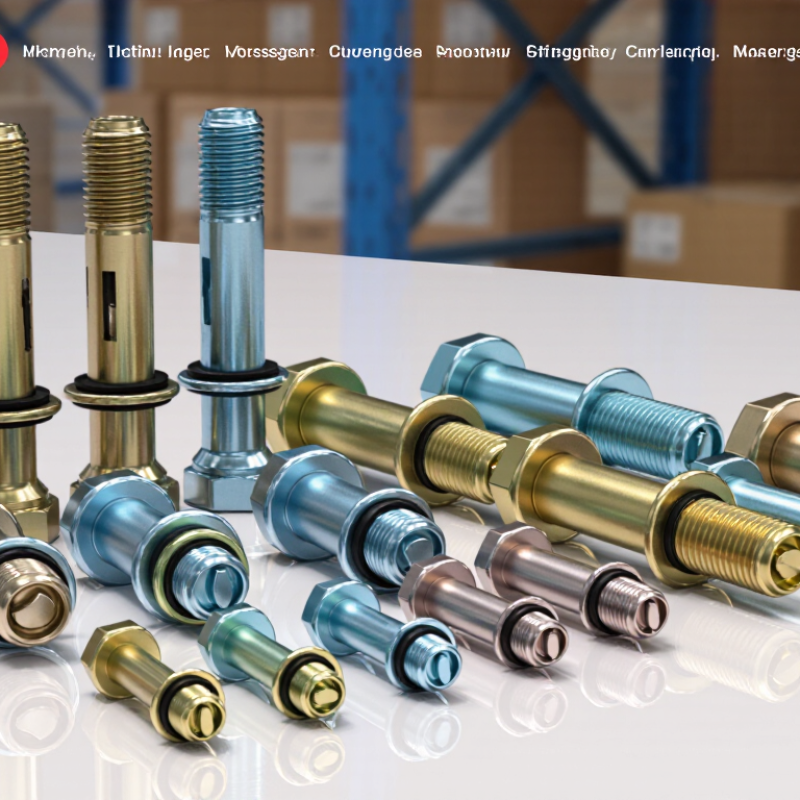
10 Expansion Bolt Buying Tips for Global Buyers?

Define Your Project Requirements and Installation Conditions

Before buying expansion bolts, define the load, base material, and installation environment. A concrete slab, hollow block wall, and cracked masonry require different anchoring decisions. Record tension, shear, fixture thickness, and safety factors. Do not estimate from bolt diameter alone.

A 2023 Grand View Research report valued the global construction fasteners market at over USD 80 billion, showing the scale of this purchasing category. Yet volume does not replace engineering judgment. Check the concrete strength, hole depth, edge distance, and spacing against the relevant technical approval or design standard. For example, ACI 318-19 requires attention to concrete breakout, pullout, and pryout resistance. Measure twice.

Installation conditions matter just as much. Dusty holes, standing water, weak concrete, and incorrect torque can reduce holding performance. Confirm the drill diameter, embedment depth, washer size, and calibrated tightening method. Outdoor projects also need a coating or material suited to humidity, salt, and temperature changes. In practice, a clean hole often matters more than a higher nominal strength. I have seen installers treat the specified torque as optional. That is a costly assumption. A project checklist should include tool access, inspection records, worker training, and future maintenance. One overlooked edge distance can invalidate an otherwise careful selection.

Choose the Right Expansion Bolt Type and Base Material

Choosing the correct expansion bolt starts with the base material, not the bolt diameter. Concrete, solid brick, hollow block, and natural stone require different expansion mechanisms. In dense, uncracked concrete, torque-controlled sleeve anchors can provide reliable holding power. Cracked concrete usually demands qualified post-installed anchors designed for cracked conditions. ACI 318-19 Chapter 17 evaluates steel failure, concrete breakout, pullout, and pryout. Do not treat one capacity table as universal.

Material selection matters outdoors. Zinc-plated steel suits dry interior locations, but stainless steel is safer near coastal air, chemical vapors, or frequent washing. The NACE IMPACT study estimated global corrosion costs at US$2.5 trillion annually, equal to about 3.4% of global GDP. That figure makes a thin coating look less reassuring. In wet masonry, expansion pressure can split weak brick or hollow block. Use a sleeve or mesh-compatible anchor, and verify embedment depth, edge distance, and fixture thickness. Small details decide performance.

Check the technical assessment before purchasing. EN 1992-4:2018 covers fastenings in concrete and distinguishes cracked from uncracked conditions. For seismic projects, request documented seismic qualification rather than relying on ordinary load ratings. Installation torque also needs a calibrated wrench. Field experience says installers often tighten by feel. That is not a test method. Base material strength can vary sharply across one wall, so a few site pull tests may reveal more than a polished catalogue.

10 Expansion Bolt Buying Tips for Global Buyers? - Choose the Right Expansion Bolt Type and Base Material

No. Buying Tip Key Decision Recommended Selection Typical Technical Data Buyer’s Verification Checklist
1 Match the Anchor to the Base Material Identify whether the substrate is solid concrete, cracked concrete, solid brick, hollow block, or another masonry material. Use wedge anchors mainly in sound concrete; use sleeve or shield anchors for suitable masonry applications; use hollow-wall anchors only where the substrate allows them. Concrete strength is commonly specified by a class such as C20/25 or C30/37. Anchor performance varies significantly by substrate type. Request installation limits, approved substrate types, minimum concrete strength, and published load tables.
2 Choose the Correct Expansion Bolt Type Select the mechanism according to load, removability, installation speed, and substrate condition. Wedge anchors for high tension loads in concrete; sleeve anchors for general-purpose fastening; drop-in anchors for flush internal-thread installations; shield anchors for selected masonry applications. Wedge and sleeve anchors normally require a drilled hole and controlled tightening. Drop-in anchors require setting with a suitable tool. Confirm anchor type, approved load direction, installation tool, torque requirement, and removal or replacement needs.
3 Select the Fastener Base Material Balance tensile strength, corrosion resistance, temperature exposure, and project cost. Zinc-plated carbon steel for dry indoor conditions; hot-dip galvanized steel for many outdoor applications; stainless steel for humid, coastal, or hygienic environments. Common stainless options include A2 stainless steel, broadly comparable to 304, and A4 stainless steel, broadly comparable to 316. Check material designation, coating standard, salt-spray or corrosion data, and compatibility with the surrounding metal.
4 Calculate the Required Load Capacity Consider tension, shear, combined loads, edge distance, spacing, and safety factors. Choose an anchor with a published allowable or design resistance greater than the calculated working load. Load capacity is not determined by bolt diameter alone. Concrete strength, embedment depth, spacing, and edge distance can reduce resistance. Obtain tension and shear values, test conditions, safety factors, and any reductions for cracked concrete or close edges.
5 Verify Diameter and Embedment Depth Ensure the selected anchor can achieve the required capacity without penetrating reinforcement or services. Use the manufacturer’s specified drill diameter, effective embedment, fixture thickness, and minimum hole depth. Metric expansion anchors are commonly supplied in diameters such as M6, M8, M10, M12, M16, and M20, depending on the product range. Compare nominal diameter, hole diameter, minimum embedment, maximum fixture thickness, and minimum member thickness.
6 Check Corrosion and Environmental Exposure Evaluate moisture, salt spray, chemicals, temperature, and indoor or outdoor exposure. Use coated carbon steel in controlled dry environments; use galvanized or stainless steel when exposure is higher; specify higher corrosion resistance near seawater or de-icing salts. Stainless steel generally offers better atmospheric corrosion resistance than zinc-plated carbon steel, but grade selection remains important. Request coating thickness, stainless grade, environmental limitations, and galvanic compatibility guidance.
7 Confirm Installation Torque Correct torque is necessary to activate the expansion mechanism without damaging the anchor or substrate. Use a calibrated torque wrench and follow the specified installation sequence for the selected anchor type. Required torque depends on diameter, anchor design, material, lubrication, coating, and substrate; it must not be estimated from diameter alone. Ask for installation torque, tightening method, tolerance, tool requirements, and whether retightening is permitted.
8 Review Edge Distance and Anchor Spacing Avoid concrete breakout, splitting, and interaction between adjacent anchors. Use the published minimum edge distance and spacing for the selected diameter and embedment depth. The required distances vary by anchor type, diameter, embedment, concrete strength, and whether the concrete is cracked. Check minimum spacing, minimum edge distance, reduced-load values, and limitations near corners or slab edges.
9 Check Thread, Nut, and Washer Compatibility Ensure the complete assembly fits the fixture and matches the required thread system. Specify metric or inch thread consistently and use the supplied nut and washer, or verified equivalents with matching strength and dimensions. Metric coarse threads such as M8 × 1.25 and M10 × 1.5 are common; inch and metric threads are not interchangeable. Confirm thread diameter, pitch, length, nut height, washer outside diameter, strength class, and thread tolerance.
10 Validate Standards, Testing, and Documentation Use traceable technical information for international projects and regulated applications. Prefer products supported by dimensional standards, material certificates, batch traceability, and independent or approved performance testing where required. Relevant documentation may include product drawings, installation instructions, tensile and shear test reports, material certificates, and coating records. Request inspection records, packaging details, country-specific compliance documents, lot numbers, and technical data in English.

Note: Final anchor selection should be based on the actual substrate, design loads, installation conditions, and applicable local engineering requirements.

Compare Load Capacity, Size, Material, and Corrosion Resistance

Tip 1: Treat load capacity as a design value, not a sales number. Compare tension, shear, and combined loading separately. ACI 318-19 Chapter 17 requires checks for steel failure, pullout, concrete breakout, and pryout.

Tip 2: Record concrete strength, cracked or uncracked condition, embedment depth, edge distance, and anchor spacing. These details can change capacity sharply. Real tests matter.

Tip 3: Match bolt diameter and length to the fixture and effective embedment. A longer bolt does not always provide higher resistance.

Tip 4: Check installation torque and drilling diameter against the technical datasheet. Field dust, worn bits, and uneven torque remain common weaknesses.

Tip 5: Compare test methods. ICC-ES AC193 and EN 1992-4 provide recognized frameworks for mechanical-anchor evaluation and design. I would reject any table that hides its concrete condition or safety basis.

Tip 6: Choose carbon steel, zinc-plated steel, or stainless steel according to exposure. ISO 9223:2012 classifies atmospheric corrosivity from low indoor environments to severe coastal or industrial conditions.

Tip 7: For salt spray, condensation, or chemical exposure, request coating thickness, stainless grade, and compatibility data.

Tip 8: Do not compare millimetres alone; compare corrosion resistance, service temperature, and inspection requirements.

Tip 9: Check batch certificates and installation instructions.

Tip 10: Ask for seismic or fatigue data where movement is expected. Small price savings can become expensive when replacement access is difficult. There is no perfect coating. Jiova

Verify Product Quality, Standards, Certifications, and Supplier Reliability

10 Expansion Bolt Buying Tips for Global Buyers

Expansion bolts may look simple, but their performance depends on steel grade, sleeve design, installation, and concrete condition. Global buyers should request material certificates, dimensional drawings, and batch-level inspection records before placing an order. Check tensile strength, corrosion resistance, thread accuracy, and expansion behavior. A polished surface proves little.

Tip: Ask for test reports from an independent laboratory accredited to ISO/IEC 17025. Confirm that the report matches the exact model, size, coating, and production batch. Also review applicable standards, such as ISO, EN, or ASTM requirements. Certification is useful only when its scope covers the purchased product. This detail is often missed.

Supplier reliability requires more than a low quotation. Request factory photos, quality-control procedures, sample approvals, and realistic delivery records. Verify whether the supplier can trace raw materials from heat number to final packaging. Packaging should protect threads and separate sizes clearly. A small labeling mistake can delay installation.

Tip: Test samples in the intended substrate when possible. Concrete density, hole depth, drilling dust, and tightening torque can change pull-out results. I would not rely on one successful sample. Repeat testing exposes weaknesses, although it costs more time. Buyers should also clarify warranty terms, replacement procedures, and inspection responsibilities in writing. Supplier promises should become measurable documents.

Evaluate Pricing, Packaging, Lead Times, and After-Sales Support

10 Expansion Bolt Buying Tips for Global Buyers

Price alone is a weak comparison. Request quotes by size, steel grade, coating, washer, carton, and delivery term. Separate product cost from freight, duties, inspection, and bank charges. World Bank’s 2023 Logistics Performance Index surveyed nearly 4,000 logistics professionals across 139 economies. It highlights customs, shipment tracking, and delivery timeliness as practical cost factors. Ask suppliers for a landed-cost worksheet, not one attractive unit price. A spreadsheet can still lie.

Packaging needs an engineering check. Confirm carton quantity, inner bags, batch labels, moisture barriers, and pallet dimensions. Photograph a packed carton before shipment. Expansion bolts often arrive with scratched coatings or mixed sizes. That creates installation delays, even when the invoice looks correct. UNCTAD reports that ships carry over 80% of global merchandise trade by volume. Therefore, packaging must survive handling, port transfers, and humidity. Request drop-test evidence or an ISTA-based packaging procedure when volumes justify it. Small savings here can become expensive rework.

Lead time should include production, inspection, export clearance, and buffer days. Put each milestone in the purchase order. Ask what happens if raw materials arrive late. Require samples, dimensional reports, pull-out test results, and coating records before mass production. After-sales support should include a named contact, response deadlines, replacement rules, and traceable batch records. The European Commission’s 2024 Supply Chain Resilience report stresses visibility and supplier communication. Still, buyers sometimes demand perfect forecasts while changing quantities weekly. That deserves reflection. A realistic forecast may secure better allocation than aggressive promises.

10 Expansion Bolt Buying Tips for Global Buyers

Use this 100-point procurement model to compare suppliers across pricing, packaging, lead times, and after-sales support. The weighting reflects common priorities in international hardware sourcing, where landed cost, delivery reliability, product consistency, and service responsiveness all affect the final purchase decision.

How to use the chart: Evaluate each supplier against these ten checkpoints, then assign scores according to your project requirements. A lower unit price should not outweigh weak packaging, uncertain lead times, inconsistent specifications, or limited after-sales support.

FAQS

What should I check before buying expansion bolts?

Define the load, base material, fixture thickness, and installation environment. Concrete, hollow blocks, and cracked masonry need different anchoring decisions. Do not choose by bolt diameter alone. Measure twice.

Why does the base material matter?

Concrete strength affects pullout, breakout, and pryout resistance. Weak or cracked masonry may require a different anchoring method. Record edge distance, hole depth, and spacing before ordering. Small errors matter.

Which installation details can reduce holding performance?

Dusty holes, standing water, weak concrete, and incorrect torque can reduce capacity. Confirm drill diameter, embedment depth, washer size, and tightening method. A clean hole may matter more than higher nominal strength. This is easy to underestimate.

How can I verify product quality?

Request material certificates, dimensional drawings, and batch-level inspection records. Check steel strength, thread accuracy, coating, and expansion behavior. A polished surface proves little. Ask for evidence.

Are laboratory test reports enough?

Use reports from an independent laboratory with suitable accreditation. Confirm the report matches the exact size, coating, model, and production batch. The test substrate and installation method should reflect your project. One successful sample is not conclusive.

How should I evaluate a supplier?

Request quality procedures, sample approvals, delivery records, and raw-material traceability. Ask whether materials can be traced from heat number to final packaging. Put warranty, replacement, and inspection duties in writing. Promises need documents.

What should I include when comparing prices?

Request prices by size, steel grade, coating, washer, packaging, and delivery terms. Separate product cost from freight, duties, inspection, and payment charges. Ask for a landed-cost worksheet. Price can lie.

What packaging and delivery details deserve attention?

Confirm carton quantities, inner bags, batch labels, moisture barriers, and pallet dimensions. Photograph packed cartons before shipment. Include production, inspection, customs clearance, and buffer time in the lead time. Small savings may create expensive rework.

What after-sales support should I require?

Require a named contact, response deadlines, replacement rules, and traceable batch records. Request dimensional reports, pull-out results, and coating records before mass production. Weekly quantity changes can weaken supply planning. I should reflect on that.

Conclusion

Buying the right Expansion Bolt starts with a clear understanding of your project requirements and installation conditions. Consider the base material, hole depth, expected loads, environmental exposure, and installation tools before selecting a product. Different applications may require specific bolt designs for concrete, brick, stone, or other substrates. Compare key factors such as load capacity, diameter, length, material grade, surface finish, and corrosion resistance to ensure reliable and long-lasting performance.

Quality verification is equally important for global buyers. Review product specifications, test reports, applicable standards, and certifications, while also assessing the supplier’s manufacturing capability, quality-control process, communication, and service reliability. In addition to unit price, evaluate packaging strength, minimum order quantities, production schedules, shipping lead times, and after-sales support. A balanced decision that considers performance, total cost, delivery dependability, and technical assistance can reduce installation risks and support consistent project results.

Charlotte

Charlotte

Charlotte is a seasoned marketing professional with a deep understanding of the company's portfolio and a passion for elevating its presence in the market. With a keen eye for detail and a commitment to excellence, she ensures that our professional blog is regularly updated with insightful articles......