
2026 Best Sleeve Bolt Suppliers for Global Buyers?

Time:2026-10-28 Author:Liam
0%

Choosing the best Sleeve Bolt suppliers for global buying in 2026 requires more than comparing unit prices. Product consistency, expansion performance, coating quality, and traceable testing matter at the installation site.

Industry reports provide useful context. Grand View Research tracks steady growth across the global fasteners market, driven by construction, machinery, transport, and infrastructure demand. Freedonia’s fastener analysis also highlights stronger requirements for corrosion resistance, reliable supply, and application-specific designs. However, these reports rarely separate Sleeve Bolt sales from wider anchor and fastener categories. That limitation deserves attention.

Carmen Vertullo, a respected fastener educator and consultant, expresses the practical concern clearly: “A fastener is only as good as the joint it serves.” His point remains relevant when buyers compare suppliers from different manufacturing regions. A polished catalog cannot replace dimensional inspection, load testing, material certificates, and production records.

This guide examines suppliers through those measurable details. It considers sleeve diameter, bolt grade, anchor length, thread accuracy, zinc or stainless-steel protection, packaging, and batch traceability. A carton may look identical from the outside. Inside, small tolerance differences can affect expansion and holding performance.

Supplier claims should be checked carefully. That sounds obvious, but many purchasing decisions still rely on photographs and low quotations. The strongest candidates provide samples, technical drawings, inspection reports, and clear answers about factory capacity. Delivery promises also need evidence.

The ranking is therefore practical, not absolute. Regional standards, project conditions, and installation methods can change the final choice. Good sourcing leaves room for doubt, testing, and revision.
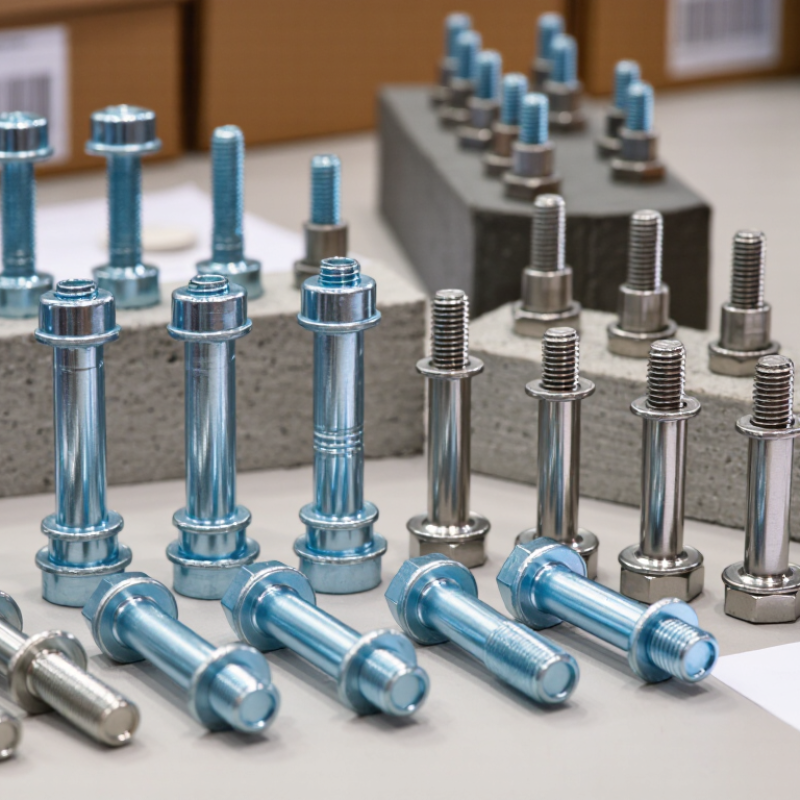
2026 Best Sleeve Bolt Suppliers for Global Buyers?

What Are Sleeve Bolts and How Are They Used?

Sleeve bolts are mechanical anchors used to secure fixtures to concrete, brick, and some masonry. The assembly usually includes a threaded bolt, expansion sleeve, nut, and washer. As the nut tightens, the cone pulls into the sleeve. The sleeve expands against the hole wall and creates holding force.

The term is not perfectly standardized. Some suppliers use “sleeve bolt” for a bolt with a protective spacer, while others mean a sleeve anchor. Buyers should confirm drawings, thread size, steel grade, sleeve length, and approved base materials. The World Steel Association reported global crude steel production of about 1.89 billion tonnes in 2023. That scale supports broad fastener supply, but steel volume does not prove anchor quality. ISO 898-1 remains a useful reference for mechanical properties of carbon and alloy steel fasteners. Installation still matters more than appearance.

Tips: Match the anchor to the concrete strength and fixture thickness. Drill straight, remove dust, and apply the specified torque with a calibrated wrench. Do not substitute a shorter sleeve because it “looks sufficient.” Edge distance and spacing can reduce capacity sharply. A practical mistake is treating published pull-out values as universal. They are not. Moisture, cracked concrete, poor drilling, and uneven torque can change field performance. Ask suppliers for batch certificates, dimensional inspection records, and tested load data.

Key Factors for Evaluating Sleeve Bolt Suppliers in 2026

In 2026, choosing a sleeve bolt supplier requires more than comparing catalog prices. A capable supplier should explain material grades, sleeve dimensions, thread tolerances, and load conditions. Ask for drawings with revision numbers. Request samples from the same production line, not display pieces. During a sourcing review, a small dimensional mismatch noticeably increased installation effort. That detail is easy to miss. Measure sleeve diameter, bolt length, thread fit, and coating thickness. Use calibrated tools whenever possible. Supplier answers should be precise, not simply confident.

Reliable suppliers provide batch traceability from raw material to packed cartons. Look for heat numbers, inspection records, and clear sampling methods. Independent reports can support claims about tensile strength, hardness, corrosion resistance, and coating adhesion. Confirm the laboratory’s scope and report dates. Factory audits should examine storage, thread protection, machine maintenance, and final inspection. Delivery performance also matters. Review lead times, minimum order quantities, packaging photos, and responses to defects. A low price may hide unstable processes. However, expensive paperwork does not guarantee consistent bolts.

Tips: Compare three suppliers using one written checklist. Order a small pilot batch. Install it in the actual substrate, then record torque, alignment, and removal behavior. Ask how rejected parts are isolated. Check whether replacement decisions are documented. Do not rely on polished certificates alone. I would repeat critical tests, because one inspection can miss a recurring issue. Verify local regulations, import rules, and project specifications before purchasing.

Top Sleeve Bolt Supplier Categories for Global Buyers

Global buyers in 2026 can choose among several sleeve bolt supplier categories. Each category serves a different purchasing need.

Specialized manufacturers suit large orders, repeat specifications, and controlled production schedules. They can provide material certificates, dimensional reports, and batch traceability. Distributors are more practical for mixed quantities and urgent replacement parts. Their warehouses may hold common sleeve bolt sizes, reducing delivery delays. Custom engineering suppliers help when standard bolts cannot fit unusual assemblies, wall thicknesses, or load requirements. Regional stockists can simplify shipping, communication, and after-sales support in nearby markets. However, their selection may be narrower. That limitation matters.

In my experience, reliable supplier evaluation starts with technical evidence, not polished websites. Check thread accuracy, sleeve length, bolt grade, corrosion resistance, and packaging quality. Request samples before approving a large order. A small sample can reveal rough threads or inconsistent plating. Also compare minimum order quantities, inspection procedures, lead times, and export documentation. Some suppliers answer quickly but provide vague test data. That should invite caution, not confidence.

Tips: Match the supplier category to your project volume and urgency. Ask for recent inspection records. Confirm whether dimensions follow your required standard. Clarify replacement procedures before payment. Keep written specifications. Even experienced buyers miss small tolerance differences, especially across different production batches.

2026 Best Sleeve Bolt Suppliers for Global Buyers? - Top Sleeve Bolt Supplier Categories for Global Buyers

Supplier Category Best Fit for Global Buyers Common Sleeve Bolt Configurations Typical Materials and Finishes Relevant Standards and Specifications Quality Documents to Request Typical Commercial Profile Main Advantages Important Buyer Checks
Original Fastener Manufacturers Large-volume, repeat-production, and engineered fastening programs Standard metric or inch-thread sleeve bolts; hex-head, flange-head, and customized head styles Carbon steel, alloy steel, stainless steel; zinc electroplating, zinc flake, black oxide, or plain finish ISO metric threads; ASME inch threads; ISO 898-1 for carbon/alloy steel mechanical properties; ISO 3506-1 for stainless steel fasteners Material certificate, dimensional inspection report, coating report, mechanical test report, and batch traceability Usually competitive unit pricing at production quantities; tooling or setup charges may apply for non-standard designs Strong process control, repeatability, customization, and direct technical communication Production capacity, inspection equipment, thread gauges, corrosion requirements, packaging, and export experience
Industrial Fastener Distributors Maintenance, repair, construction, and buyers needing mixed items or shorter delivery times Common stocked sizes, standard thread forms, washers, nuts, and compatible expansion components Plated carbon steel, stainless steel, and hot-dip galvanized options depending on inventory Supplier declaration against the requested standard; ISO, ASTM, or DIN specifications where applicable Certificate of conformity, product datasheet, lot information, and available material documentation Higher unit price than factory-direct purchasing may be offset by lower order quantities and faster dispatch Stock availability, consolidated shipments, local support, and simplified purchasing Actual stock, country of origin, lot consistency, replacement policy, and export packing quality
Custom and Cold-Heading Specialists OEMs requiring special lengths, non-standard heads, unusual shanks, or high-volume repeat parts Multi-step formed sleeves, reduced shanks, captive components, special head profiles, and customer drawings Low-carbon steel, medium-carbon steel, alloy steel, and selected stainless grades Drawing-controlled dimensions; ISO 898-1 or ISO 3506-1 when the selected material and property class apply First-article inspection, capability data, hardness and tensile results, PPAP-style records when requested Best economics after tooling and approval; development lead time is normally longer than for stock parts Design flexibility, reduced secondary machining, and strong repeatability for approved drawings Tool ownership, tolerance stack-up, sample approval, minimum order quantity, and change-control procedures
Stainless-Steel Fastener Specialists Outdoor, marine, food-processing, chemical, and humid-environment applications Metric or inch-thread sleeve bolts in corrosion-resistant stainless grades, with matching nuts and washers Austenitic stainless grades commonly classified as A2 or A4 under ISO 3506-1; passivated or plain surfaces ISO 3506-1 for mechanical and physical properties of stainless steel fasteners; applicable thread standard as specified Grade certificate, chemical composition report, passivation record, dimensional report, and corrosion test data when required Material cost is generally higher than carbon steel; availability varies by grade, diameter, and length Improved corrosion resistance and suitability for demanding service environments Galvanic compatibility, galling risk, torque limits, actual stainless grade, and environmental exposure
Construction and Anchoring Specialists Concrete, masonry, façade, handrail, racking, and structural installation projects Sleeve-anchor assemblies, expansion sleeves, bolts with nuts and washers, and installation-specific kits Zinc-plated carbon steel, hot-dip galvanized steel, and stainless steel for exterior or corrosive conditions Project-specific anchor design requirements; coating references such as ISO 10684 for hot-dip galvanized fasteners may apply Installation instructions, allowable-load data, base-material limitations, coating certificate, and batch traceability Pricing depends on diameter, embedment, corrosion class, test requirements, and packaged accessories Application guidance, compatible accessories, and project-oriented technical support Base material, embedment depth, edge distance, spacing, installation torque, and whether load data covers the intended use
Corrosion-Protection and Coating Specialists Outdoor infrastructure, transport equipment, industrial enclosures, and applications with defined corrosion classes Carbon-steel sleeve bolts with electroplated zinc, zinc flake, or hot-dip galvanized protection Low- or medium-carbon steel; coating thickness and topcoat selected according to environment and assembly needs ISO 4042 for electroplated coating systems; ISO 10684 for hot-dip galvanized fasteners; project corrosion requirements Coating thickness report, adhesion or appearance record, salt-spray data when specified, and hydrogen-embrittlement controls for high-strength parts Coating selection can affect cost, dimensions, thread fit, torque-tension behavior, and delivery time Better alignment between fastener finish and the expected service environment Required coating thickness, dimensional allowance, torque coefficient, corrosion class, and compatibility with the mating material
Export-Oriented Sourcing and Consolidation Suppliers Global buyers purchasing mixed specifications from multiple approved production sources Combined orders covering metric and inch threads, different finishes, packaging formats, and accessory sets Carbon steel, alloy steel, stainless steel, and galvanized products sourced according to the purchase specification Buyer-defined standards, drawings, inspection plans, labeling rules, and destination-country import requirements Supplier declarations, inspection reports, packing list, commercial invoice, certificate of origin when required, and traceability records Convenient for mixed shipments; total cost must include inspection, consolidation, freight, duties, and local compliance One purchasing interface, consolidated logistics, and support with documentation and packaging Source transparency, substitution controls, pre-shipment inspection, Incoterms, payment terms, and responsibility for nonconforming goods
Low-Volume and Prototype Suppliers Product development, repair parts, pilot production, and buyers testing a new sleeve-bolt design Small batches of standard parts, machined prototypes, or modified lengths and head profiles Common carbon steel and stainless steel grades; finish selected for functional testing or final service Drawing requirements, applicable ISO or ASME thread standard, and agreed inspection tolerances Dimensional report, material declaration, sample approval record, and prototype inspection results Higher per-piece cost but lower minimum order quantity and shorter development commitment Fast design feedback, flexible quantities, and reduced inventory risk during development Prototype-to-production transition plan, dimensional capability, material substitution rules, and final production pricing

Buyer note: Commercial terms, availability, lead time, minimum order quantity, and certification coverage vary by specification and destination market. Confirm the exact diameter, length, thread system, material grade, property class, coating, load requirement, packaging, and inspection plan before placing an order.

How to Compare Quality, Pricing, Certifications, and Lead Times

2026 Best Sleeve Bolt Suppliers for Global Buyers?

Choosing a sleeve bolt supplier requires more than comparing unit prices. Inspect material grades, dimensional tolerances, thread accuracy, and surface protection. Ask for tensile and shear test reports from an independent laboratory. A reliable supplier should explain how samples were tested, not only provide attractive certificates.

Certification scope matters. Check whether ISO 9001 covers the actual manufacturing site and product process. Confirm certificate numbers, expiry dates, and issuing bodies. For construction or industrial orders, request batch traceability and a clear nonconformity procedure. Pricing should include tooling, packaging, inspection, freight, duties, and payment fees. A cheap quotation can become expensive after delivery adjustments. I have seen spreadsheets hide these costs.

Tips: Request three samples before placing a volume order. Measure sleeve diameter, bolt length, coating thickness, and thread fit. Ask for a production schedule with approval, manufacturing, inspection, and shipping dates. Compare capacity during peak seasons. A supplier promising ten-day delivery may lack testing time. That is a warning sign. Also, agree on acceptable defect limits in writing. This small detail prevents arguments later. My own judgment can be imperfect, especially when specifications are incomplete. Leave room for a technical review before final approval.

What Global Buyers Should Check Before Placing an Order

2026 Best Sleeve Bolt Suppliers for Global Buyers?

Choosing sleeve bolt suppliers requires more than comparing unit prices. Global buyers should verify material grades, thread accuracy, sleeve dimensions, and surface treatment before requesting a large shipment. Ask for current inspection reports, material certificates, and clear tolerance data. A reliable supplier should explain how bolts are tested, packed, and traced through production.

Request samples that match your drawings, not standard catalog images. Check thread engagement by hand, measure sleeve length with calipers, and inspect coating consistency under bright light. Confirm production capacity, lead times, packaging strength, and export documents. A polished quotation is not proof of manufacturing ability. That assumption can become expensive.

Tips:

Compare at least three suppliers using the same technical checklist. Ask whether samples come from normal production. Confirm payment terms and delivery responsibilities in writing. Keep one approved sample for future inspections. Recheck everything. Small dimensional differences may affect assembly, especially when bolts enter tight metal housings. Some buyers also overlook moisture protection inside cartons. That is a practical mistake, but it happens often. Reliable communication matters too, especially when drawings change after approval.

FAQS

What are sleeve bolts used for?

Sleeve bolts secure fixtures to concrete, brick, and some masonry. They create holding force through expansion.

What parts usually make up a sleeve bolt assembly?

The assembly usually includes a threaded bolt, expansion sleeve, nut, and washer. Each part affects performance.

How does a sleeve bolt expand?

Tightening the nut pulls a cone into the sleeve. The sleeve then presses against the drilled hole wall.

Are all sleeve bolts defined the same way?

No. Suppliers may use the term differently. Confirm the drawing, thread size, sleeve length, and base material.

How should buyers select the correct anchor size?

Match the anchor with concrete strength and fixture thickness. Do not choose a shorter sleeve because it looks sufficient.

What installation details matter most?

Drill straight, remove dust, and use a calibrated torque wrench. Uneven torque can change the final holding force.

Can published pull-out values guarantee field performance?

No. Moisture, cracked concrete, poor drilling, edge distance, and spacing can reduce capacity sharply. Published values are not universal.

What should buyers request before placing a large order?

Request samples, material certificates, inspection reports, tolerance data, tested load results, and batch traceability.

How can buyers inspect samples in practical detail?

Check thread engagement by hand and measure sleeve length with calipers. Inspect coating consistency under bright light.

What common purchasing mistake deserves more attention?

Comparing unit prices alone can be misleading. Packaging, lead time, moisture protection, and changing drawings also matter. Recheck everything.

Conclusion

This guide explains what a Sleeve Bolt is, how its threaded body, sleeve, and fastening mechanism work, and where it is commonly used in construction, machinery, furniture, automotive assemblies, and general industrial applications. It also outlines the main factors global buyers should consider when evaluating suppliers in 2026, including manufacturing consistency, material options, dimensional accuracy, surface treatment, production capacity, communication, and export experience.

The article compares different supplier categories, from specialized manufacturers and contract producers to industrial distributors and online sourcing platforms. It provides a practical framework for reviewing product quality, pricing, certifications, minimum order quantities, packaging, and lead times. Before placing an order, buyers should confirm technical drawings, material grades, tolerances, inspection procedures, sample approval, payment terms, shipping arrangements, and after-sales support. These checks can help reduce quality risks, improve purchasing efficiency, and establish reliable long-term supply relationships.

Liam

Liam

Liam is a dedicated marketing professional with a profound expertise in the industry, where he excels at highlighting the unique advantages of our core products. With a keen understanding of market trends and consumer needs, Liam frequently updates our company’s professional blog, providing......